



The Best Glasses for Doomscrolling: Reducing Eye Fatigue from Short-Form Video
The Best Glasses for Doomscrolling: Reducing Eye Fatigue from Short-Form Video
If you spend hours doomscrolling through TikTok, Instagram Reels, or YouTube Shorts, that rapid content switching and constant close focus can leave your eyes feeling tired, dry, and irritated. While specialized blue light glasses won't magically cure digital eye strain, certain comfortable, well-designed pairs can serve as a modest comfort aid for heavy phone users when combined with better scrolling habits and screen setup.

Digital eye strain, also called computer vision syndrome, is common among people who engage in prolonged screen time. Symptoms often include tired or dry eyes, irritation, blurred vision, and headaches. According to guidance from eye health experts, these issues stem more from reduced blinking rates during focused screen use, glare, poor viewing distance, and extended sessions than from blue light itself.
Quick Decision Guide: Do You Need New Glasses?
Before purchasing, identify your primary discomfort to find the most effective solution.
| If your main issue is... | Try this first... | Best eyewear feature to look for... |
|---|---|---|
| Dryness / Grittiness | Use artificial tears; follow the 20-20-20 rule. | Moisture-retaining fit: Wraparound or close-fitting frames. |
| Glare / Screen Reflections | Lower screen brightness; adjust room lighting. | Anti-Reflective (AR) Coating: Essential for reducing "bounce-back" light. |
| Headaches / Blurry Text | Increase font size; check your prescription. | Updated Prescription: Even a minor uncorrected error causes strain. |
| Late-Night Sleep Issues | Use "Night Shift" mode; stop 1 hour before bed. | Amber or Yellow Tints: May help with circadian rhythm (not strain). |
Why Short-Form Video Feels Especially Tiring
Short-form videos on mobile devices create unique visual demands. The fast cuts, bright colors, vertical scrolling, and small screen size force your eyes to constantly refocus and adjust. Many people blink far less than normal while absorbed in content—a phenomenon often cited by the American Academy of Ophthalmology (AAO) as the primary cause of digital dryness.
Late-night sessions in bed often compound the problem because dim ambient lighting increases screen glare relative to the room. While blue light from phones is not proven to cause permanent eye damage, the American Optometric Association (AOA) notes that evening exposure can interfere with sleep by suppressing melatonin, making the "scroll" feel more taxing the next morning.
Common Myths vs. Scientific Evidence
A widely repeated claim is that blue light blocking glasses prevent screen-related eye damage or reliably eliminate fatigue from scrolling. However, the evidence remains thin:
- The Cochrane Review (2023): A comprehensive meta-analysis of 17 randomized controlled trials concluded that blue-light filtering lenses may not provide a significant advantage over non-filtering lenses for reducing eye strain or improving sleep quality.
- The AAO Position: The AAO does not currently recommend blue light glasses for computer use, stating that the symptoms of digital eye strain are caused by how we use our devices, not the light coming from them.
- The Reality of Tints: Another myth suggests that stronger filtering or darker tints are always better. In reality, the primary drivers are behavioral. Glasses may feel more comfortable to some users due to reduced glare (from the AR coating) rather than the blue light filter itself.
When Glasses Help (and When They Don't)
The value of specialty eyewear depends heavily on your specific situation. For occasional daytime scrolling during commutes or breaks, basic screen adjustments often suffice. Heavy evening use after a full day of work or study may make a comfortable pair of glasses a worthwhile addition for some people, particularly if you already wear prescription lenses.
Late-night scrolling in bed tends to be more about sleep hygiene and taking breaks than about lens technology. Non-prescription users with mild symptoms frequently see better results from improving habits than from buying new glasses.
Here is an illustrative comparison of relevance across common scenarios. The scale is heuristic (low=1, medium=2, high=3) and based on expert guidance rather than clinical measurements. It highlights that non-glasses fixes such as breaks, distance, and lighting usually carry more weight.
When Glasses Matter Less vs More for Doomscrolling Strain
Illustrative scenario comparison, not measured effect sizes. Uses bounded relative relevance: low = 1, medium = 2, high = 3.
View chart data
| Category | Glasses relevance | Non-glasses fixes relevance |
|---|---|---|
| Late-night bed scrolling | 1.0 | 3.0 |
| Daytime commuting | 2.0 | 2.0 |
| Heavy prolonged use | 2.0 | 3.0 |
| Moderate occasional use | 1.0 | 2.0 |
| Prescription wearer | 3.0 | 2.0 |
| Non-prescription user | 1.0 | 3.0 |
Illustrative heuristic built from myth-busting guidance: AAO/Cochrane do not support blue-light glasses as a cure for digital eye strain; strain is more often linked to reduced blinking, glare, viewing habits, and screen setup (AAO, AOA, NEI). Harvard-style sleep/habit framing suggests late-night bed scrolling should prioritize sleep and behavior changes over lenses. Relative scores are scenario-based and conservative, not study results.

What to Look for in Glasses for Heavy Phone Use
When evaluating options, prioritize comfort and practical features over strong marketing claims about blue light blocking.
- Anti-Reflective (AR) Coating: This is the most important feature for "doomscrollers." It prevents light from reflecting off the front and back of your lenses, reducing the "ghosting" effect of bright video content.
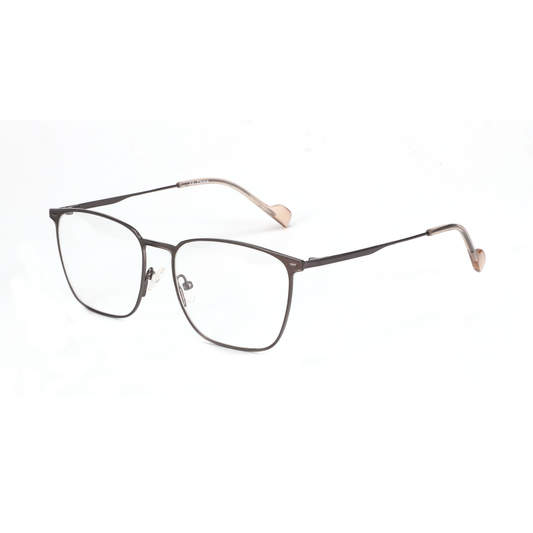
- Lightweight Frames: Look for materials like TR90 or thin metal that won't cause pressure on your nose or ears during long sessions.
- Minimal Color Distortion: Clear lenses with modest blue light filtering are usually preferable for short-form videos to keep the content looking natural.
- Updated Prescription: For people who already need correction, updating your lenses with comfortable materials often provides more noticeable relief than adding a separate pair of non-prescription glasses.
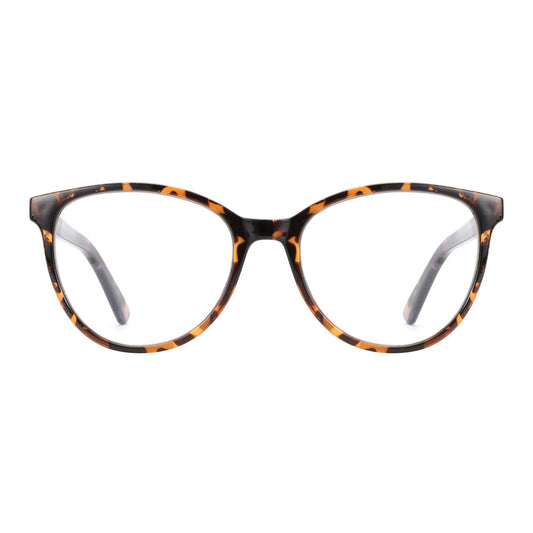
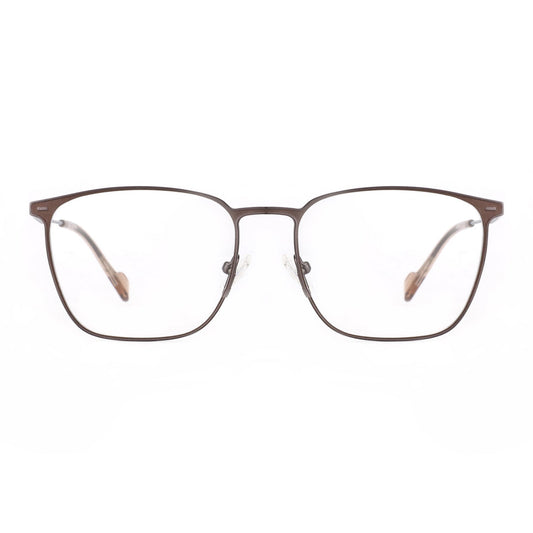
Several styles work well for this purpose. Blue light blocking glasses with clean lines and lightweight construction suit both men and women. For a classic look, consider square blue light glasses that pair easily with everyday outfits. Retro-inspired metal frames offer another versatile choice for those who want subtle protection without sacrificing style.
Practical Checklist: How to Reduce Eye Fatigue from Scrolling
Before relying primarily on new glasses, test these steps in your own environment:
- Follow the 20-20-20 rule: Every 20 minutes, look at something 20 feet away for 20 seconds to relax the focusing muscles.
- Adjust the "Three Ls": Lighting (match screen to room), Luminance (reduce brightness), and Layout (increase text size).
- The "Arm's Length" Rule: Hold your phone at least 12-16 inches from your face and avoid lying flat while scrolling, which can strain neck and eye muscles.
- Blink Consciously: Remind yourself to blink fully to redistribute the tear film.
- Night Mode: Use your phone’s built-in "Night Shift" or "Blue Light Filter" settings 1-2 hours before bed.
These habits, drawn from occupational and clinical guidance on digital eye strain, tend to deliver more consistent improvement than lenses alone.
Choosing the Right Pair for Your Lifestyle
If you decide glasses could be a helpful addition, focus on fit and daily comfort. Stylish options for women emphasize lightweight acetate or metal frames that feel barely there during extended use. Men often prefer durable, modern designs like the Garrett square style that combine protection with a clean aesthetic.
For families, durable kids glasses with blue light features can address similar concerns for younger users who spend time on educational or entertainment apps. Those seeking a simple entry point may start with versatile acetate blue light glasses.
Our related guides explore these topics in more depth. Read how to choose the best blue light blocking glasses for selection criteria, or review the pros and cons of blue light glasses for balanced perspective. Gamers and heavy screen users may also benefit from our guide on whether gaming glasses actually work.
Important Boundaries and When to Seek Professional Advice
This article discusses comfort and setup suggestions for everyday screen use. It does not constitute medical advice, diagnosis, or treatment for eye conditions. Blue light glasses are not proven to prevent eye damage or reliably cure digital eye strain. Evidence for meaningful improvements in comfort or sleep from filtering lenses remains limited.
If you experience persistent headaches, blurred vision, dryness that does not improve with breaks, or any other ongoing symptoms, consult a qualified eye care professional. They can assess whether vision correction, dry eye treatment, or other interventions are appropriate.
Digital eye fatigue from short-form video is real and relatable, but the most effective approach usually combines small changes in behavior, better viewing conditions, and—if it feels helpful to you—comfortable eyewear that fits your style and prescription needs. Experiment with the checklist above first, then decide whether a new pair of glasses makes your scrolling sessions feel noticeably easier.
