


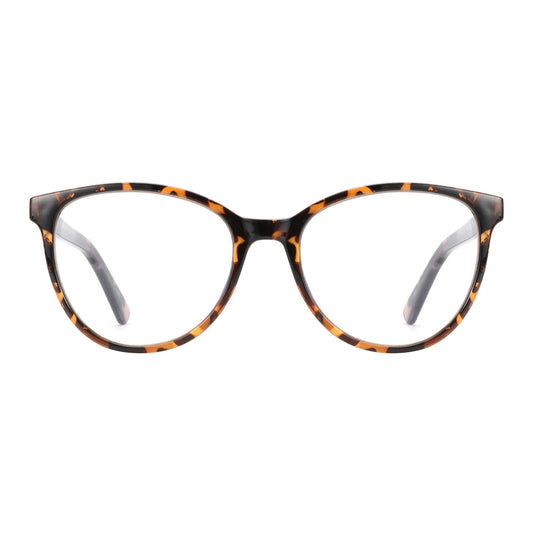

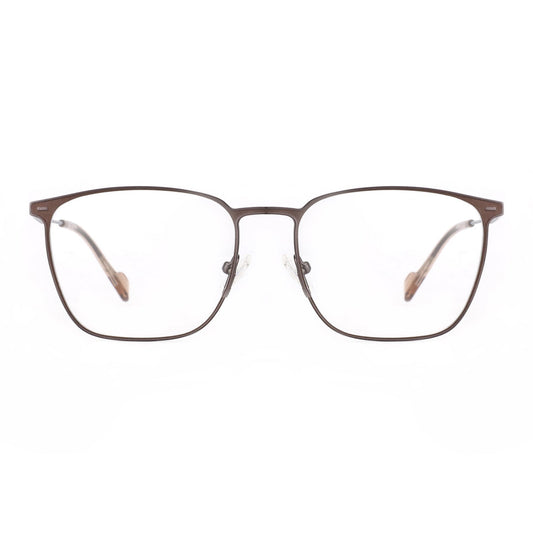
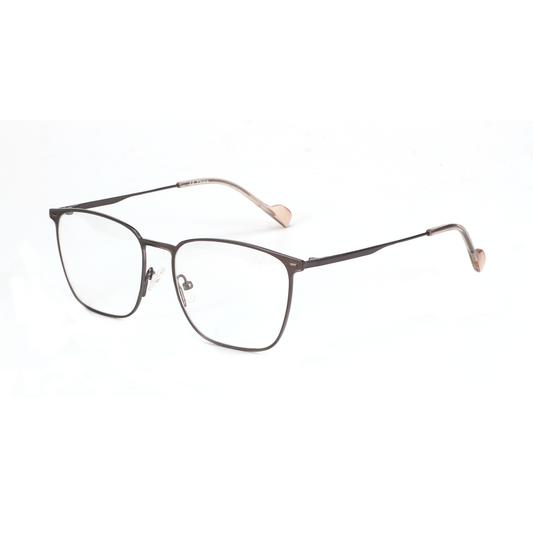
Single Vision Prescription Glasses: Distance, Computer, or Reading?
Single vision prescription glasses are designed around one main viewing distance, but that distance does not have to be far away. A single vision prescription can be set for distance, close reading, or an intermediate distance such as a desktop monitor. The right choice depends on what you need to see clearly most often. Before ordering, identify the actual task and working distance the glasses are meant to serve.
What Does Single Vision Mean in Prescription Glasses?
Single vision describes a lens designed for one main range of focus. It does not automatically mean “distance glasses,” and it does not tell you whether the prescription is for nearsightedness, farsightedness, astigmatism, or presbyopia.
The National Eye Institute explains that single vision prescription lenses can correct either near or distance vision, while multifocal lenses combine more than one viewing range in the same lens. The American Academy of Ophthalmology also notes that single vision lenses can be set for near or intermediate use, not only distance vision.
A simple way to think about the options is:
| Single Vision Use | Main Viewing Range | Common Tasks |
|---|---|---|
| Distance | Farther away | Driving, TV, signs, general distance viewing |
| Intermediate | Arm’s-length range | Desktop monitor, some hobbies, workstation tasks |
| Near | Close range | Books, phone, sewing, detailed close work |
That distinction matters when ordering online. ZENOTTIC’s current prescription lens ordering options separate single vision, progressive, and reading pathways, so the lens choice should match the purpose written or confirmed by your prescriber rather than the label alone.
When Single Vision Distance Glasses Make Sense
Single vision distance lenses make sense when your prescription is intended primarily to sharpen faraway vision. This is common for people with myopia, although other prescriptions can also be written for distance use.
Typical distance tasks include driving, watching television from across the room, seeing street signs, attending a lecture, or moving through daily life when distance correction is required. If your eyes can still focus comfortably at near and intermediate distances on their own, one distance pair may work across much of your day.
This is why two people wearing “single vision glasses” can use them very differently. A younger person with a distance prescription may wear the same pair while driving, walking, reading a phone, and working at a computer because the eyes can still change focus naturally. Someone with presbyopia may have clear distance vision through the same type of lens but need a different correction for reading or screen work.
Do not assume that a distance prescription should automatically be converted into a reading or computer prescription. If your written prescription does not clearly state the intended use, confirm it with the eye care professional who prescribed it.
When Single Vision Reading Glasses Make Sense
Prescription reading glasses are single vision lenses when the entire lens is set for close work. They are useful when your main task is reading, using a phone, doing needlework, checking labels, or working on another object held at a consistent near distance.
The advantage is straightforward: the full lens area is available for the near prescription. You do not have to find a small reading segment at the bottom of the lens.
The tradeoff is equally straightforward. A near prescription is optimized for close work, so farther objects may appear blurry while you are wearing it. That is expected behavior, not a sign that the glasses were made incorrectly.
Prescription readers are also different from ready-made drugstore readers. A prescription pair can account for the correction needed in each eye, including cylinder and axis when astigmatism correction is prescribed. Ready-made readers generally use the same magnification in both lenses and are designed for simple near magnification.
If you already have a distance prescription with an ADD value, do not calculate your own reading prescription by changing the numbers on an online order form. Ask your eye care professional for the appropriate near prescription or confirm how the prescription should be entered.
How Are Computer-Distance Single Vision Glasses Different?
A desktop monitor usually sits farther away than a book but much closer than a road sign. That makes computer work an intermediate-distance task, which is why neither ordinary reading glasses nor full distance correction necessarily matches every desk setup.
The American Academy of Ophthalmology notes that computer screens are commonly positioned about 20 to 26 inches from the face. Your actual working distance may be different, especially with a large monitor, standing desk, multiple screens, or a deeper desk.
Single vision prescription computer glasses can be made for that specific intermediate range. The full lens then serves the monitor distance rather than dividing the lens into several zones.
This can be useful for someone who spends long periods looking at one or more screens positioned at roughly the same distance. It can also make sense for activities such as playing piano, reading music, crafting, or other tasks that sit farther away than normal reading distance.
The key step is measuring your real setup. Sit in your normal position and measure from your eyes to the primary screen. Tell your eye care professional that distance along with the other tasks you perform at the desk. A laptop close to your face and a 32-inch monitor farther back do not create the same visual demand.
Also remember that “computer glasses” describes the intended viewing distance, not automatically a blue-light feature. Lens power and focal distance should be settled first. Filters and coatings are separate choices.
When One Single Vision Pair May Not Cover Every Daily Task
One single vision pair works best when one viewing range dominates the task. Problems arise when your day regularly moves between distances that require different corrections.
For example, a single vision computer pair may keep a monitor clear but make objects across the room blurry. A reading pair may work well for a book but not for a screen placed farther away. A distance pair may work well for driving but no longer provide comfortable near vision once presbyopia develops.
This is where your daily routine matters more than the word “single vision.” Before ordering, list the distances you use most:
- across the room or farther
- desktop monitor distance
- laptop distance
- printed documents
- phone or close reading
- frequent switching between several of these
If you need clearly different corrections across the day, one option is to use separate single vision pairs, each made for a specific task. Some people prefer a dedicated distance pair plus reading or computer glasses because each pair has a simple purpose.
Others prefer one lens that combines viewing ranges. Bifocal eyeglasses usually place distance and near corrections in separate visible zones, while progressive lenses transition through distance, intermediate, and near powers without a visible line. Those designs solve a different problem from single vision lenses: they are intended to cover more than one viewing range in one pair.
There is no need to move to a multifocal design simply because you use a computer. If your current distance prescription already gives you comfortable screen vision, another pair may add little value. If the monitor is consistently unclear or you are changing your posture to find a clear distance, that is a useful reason to discuss your working distance at your next eye exam.
The same logic applies when buying online. First confirm what the prescription is for, then choose the lens type. Trying to make one prescription serve a different distance than it was written for is more likely to create frustration than choosing a second pair designed for the task.
Match the Lens to the Distance You Actually Use
The easiest way to choose single vision prescription glasses is to name the job the pair needs to do. Distance lenses serve far vision, reading lenses serve close work, and computer single vision lenses can be prescribed for an intermediate working distance.
Measure your normal screen or reading distance when it matters, use the prescription provided for that task, and avoid guessing how to convert one prescription into another. If your day requires clear vision at several distinctly different distances, discuss whether separate pairs or a multifocal design fits your routine better.
FAQs About Single Vision Prescription Glasses
Q1. Can I Use Single Vision Distance Glasses for a Computer?
Sometimes. If your eyes can still focus comfortably at intermediate distances and your prescription works well at your monitor, distance glasses may be enough. If the screen is consistently blurry or uncomfortable, ask whether a prescription designed for your actual working distance would be more suitable.
Q2. Are Computer Glasses the Same as Reading Glasses?
Not necessarily. Reading glasses are usually set for a closer distance, while computer glasses may be prescribed for an intermediate screen distance. The exact difference depends on your prescription and where your screen sits.
Q3. Can Single Vision Glasses Correct Astigmatism?
Yes. A single vision prescription can include sphere, cylinder, and axis values when astigmatism correction is needed. “Single vision” describes the number of main viewing ranges in the lens, not the number of prescription values used to make it.
Q4. Do I Need Two Pairs of Single Vision Glasses?
You may if you need different corrections for two distinct tasks, such as distance vision and prolonged computer work. Separate pairs are one option, while bifocal or progressive lenses may suit people who prefer several viewing ranges in one pair.
Q5. Can I Turn My Distance Prescription Into a Computer Prescription Myself?
No. Your ideal intermediate prescription depends on your existing prescription, focusing ability, age, working distance, and visual needs. Measure your normal screen distance and ask your eye care professional to confirm the prescription rather than changing the numbers yourself.
