



Contact Lens Fatigue: Why High-Prescription Wearers Are Switching to 1.74 Glasses
If long days in front of screens leave your eyes dry, irritated, and fatigued while wearing contact lenses, you are not alone. Many adults with high prescriptions discover that contact lens fatigue pushes them to reconsider glasses, especially when affordable 1.74 high-index lenses deliver a slimmer, lighter look without the bulk of older materials.

The decision to switch from contacts to glasses full time often comes down to daily comfort and practicality rather than one universal winner. For high-prescription wearers, modern thin lenses can remove a major aesthetic barrier that once favored contacts exclusively.
Understanding Contact Lens Fatigue in High-Prescription Wearers
Contact lenses remain a popular choice for people with strong prescriptions who want to avoid thick-looking glasses. However, prolonged wear, especially combined with heavy screen time, frequently leads to discomfort. Long screen sessions can contribute to digital eye strain and may worsen dry-eye symptoms, making contacts feel even more challenging by the end of the day.
Many high-prescription users report that contacts start to feel dry or irritating after eight or more hours, particularly during remote work or office days spent staring at monitors. This experience is sometimes called contact lens intolerance. While contacts are effective vision correction, they need proper wear and care to lower the risk of eye infection, and even careful users can reach a point where the maintenance and physical sensation become tiring.
Digital eye strain can aggravate dry-eye symptoms, especially for people who spend many hours on screens. The combination of reduced blink rate while focusing on digital devices and the drying effect of contact lenses creates a cycle that leaves eyes feeling tired and uncomfortable.
This fatigue often prompts the question of whether switching back to glasses might bring relief without sacrificing appearance. In 2026, advances in lens technology have made that option more appealing than ever.
Why High Prescriptions Traditionally Pushed People Toward Contacts
Strong prescriptions, typically -6.00 D or higher, require more lens material in standard plastic or glass. The result is thicker edges that can make frames appear bulky or create a “coke-bottle” effect. For style-conscious adults, this visual drawback often outweighed the convenience of glasses, leading them to rely on contacts for everyday wear.

Contacts sit directly on the eye and move with it, offering a wider field of view without frame limitations. They also eliminate concerns about lens reflections or fogging. Yet these benefits come with ongoing responsibilities: daily cleaning, proper storage, and the risk of irritation if hygiene slips or dryness sets in.
Many wearers tolerate this routine until screen-heavy lifestyles amplify discomfort. At that point, the desire for an easier, lower-maintenance solution grows. The key question becomes whether modern glasses can match the slim profile that contacts provide without the daily hassle.
How 1.74 High-Index Lenses Change the Equation
High-index lenses are designed to help strong prescriptions look thinner and feel less bulky in many frames. The 1.74 index represents one of the highest practical refractive indices available for everyday use, bending light more efficiently so less material is needed.
Compared with standard 1.50-index lenses, 1.74 material can reduce center and edge thickness dramatically for prescriptions above -6.00 D. This reduction often makes previously unwearable frames look balanced and modern. Choosing a higher-index lens usually means balancing slimmer appearance against cost and optical tradeoffs, but 1.74 strikes a practical balance for many high-prescription users.
For stronger prescriptions, shoppers often compare 1.67 and 1.74 high-index lenses. The 1.74 option generally delivers the most noticeable slimming effect beyond -8.00 D, though individual results vary with frame size, shape, and exact prescription.
Many people find glasses more comfortable on dry-eye days, but comfort depends on prescription, frame fit, and personal preference. Removing contacts entirely can reduce the mechanical friction and drying effect that contacts introduce, especially during extended screen use.
Visualizing the Thickness Benefit: When 1.74 Lenses Make a Noticeable Difference
Modeled Lens Thickness Reduction and High-Myopia Switch Threshold
Modeled comparison of lens thickness at higher myopia prescriptions; use as a threshold illustration, not medical evidence.
View chart data
| Category | Standard Lens Thickness (relative) | 1.74 High-Index Lens Thickness (relative) | Thickness Reduction (%) |
|---|---|---|---|
| -4.00 D | 100 | 88 | 12 |
| -6.00 D | 140 | 105 | 25 |
| -8.00 D | 185 | 128 | 31 |
| -10.00 D | 235 | 158 | 33 |
Illustrative model only. The thickness values are relative indices, not measured clinical data. The model reflects the common threshold idea that at about -6.00 D and stronger, 1.74 high-index lenses tend to show more noticeable thickness reduction versus standard lenses. Tradeoffs such as comfort, maintenance, aesthetics, and screen-related strain are summarized separately in the article and are not represented as medical outcomes here.
This modeled comparison shows how relative thickness changes with increasing prescription strength. The noticeable jump in reduction around -6.00 D is where many wearers first see a meaningful aesthetic improvement when choosing 1.74 lenses. Remember that these are illustrative relative values, not exact measurements, and actual results depend on your specific prescription and frame choice.
Glasses vs Contacts for High Prescriptions: Key Tradeoffs
Some people move back to glasses when contacts become harder to tolerate or less convenient for daily wear. The switch often brings immediate relief from dryness and the need for constant lens care.
Contacts require daily insertion, removal, cleaning, and replacement schedules. Glasses simply sit on your face and need occasional cleaning. For office workers spending hours on video calls or spreadsheets, this simplicity can reduce overall eye stress.
However, glasses sit a few millimeters away from the eye, which can slightly alter peripheral vision compared with contacts. High prescriptions may also introduce minor optical distortions at the lens edges unless properly designed. 1.74 high-index lenses minimize these issues by keeping the lens profile thin.
Aesthetics have improved dramatically. With thin lenses, even strong prescriptions can look stylish in modern frames. Many users report renewed confidence when their glasses no longer draw attention to thickness.
That said, contacts still offer certain advantages in sports or situations where frames might slip. The best choice depends on your lifestyle, screen time, and how your eyes respond to each option.
When Switching to 1.74 Glasses Makes Sense
Consider switching if you regularly experience dryness or fatigue by mid-afternoon while wearing contacts. This is especially relevant for remote workers and office professionals with heavy screen exposure.
The threshold often appears around -6.00 D and stronger, where 1.74 lenses provide the most visible slimming benefit. If you currently avoid glasses because of bulkiness, testing a pair with high-index lenses can be eye-opening.
Value-focused consumers appreciate that factory-direct options now make premium 1.74 technology accessible without luxury-brand markups. This removes the cost barrier that once kept high-index lenses out of reach for many.
Before making the change, visit an eye care professional to confirm your current prescription and discuss any underlying dry-eye concerns. While glasses may feel more comfortable for some, they do not replace proper eye health management.
How to Choose and Style Your New High-Prescription Glasses
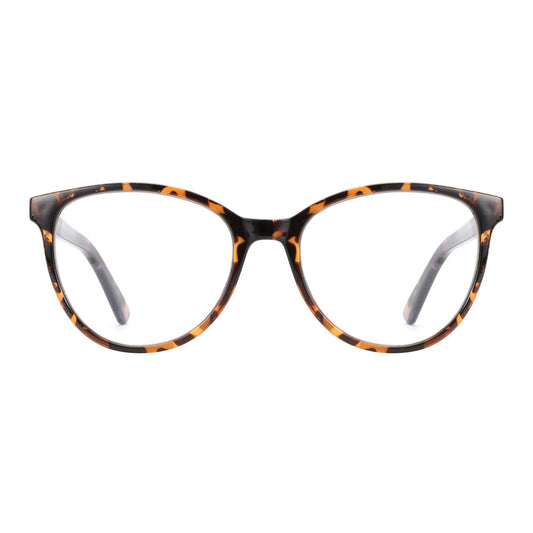
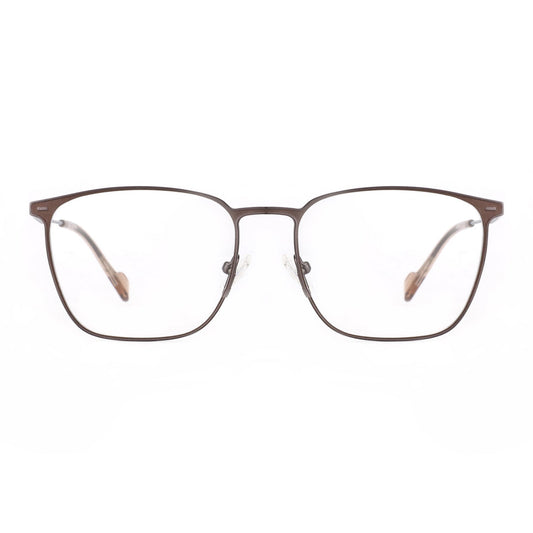
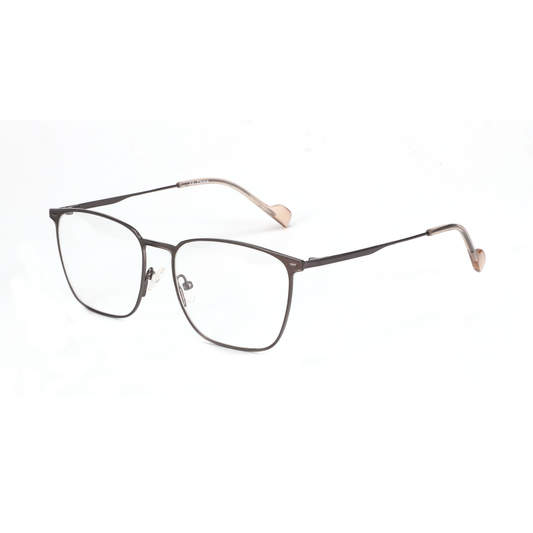
Selecting the right frame is as important as the lens index. Metal frames or semi-rimless designs often conceal lens edges better, while acetate frames can add a fashionable look that draws attention away from thickness.
Consider frames with adjustable nose pads for a secure fit, especially with heavier prescriptions. Smaller lens widths generally make high-index lenses appear even thinner.
Add practical coatings such as anti-reflective and blue-light filtering to further reduce digital strain. These treatments help minimize glare from screens and improve visual comfort during long work sessions.
For styling inspiration, explore options that complement your face shape and wardrobe. The goal is to feel confident whether you are in meetings or relaxing at home.
Important Note on Eye Comfort and Health
This article discusses comfort and setup considerations for vision correction options. It does not constitute medical advice, diagnosis, or treatment. Glasses and contacts each have benefits and limitations. If you experience persistent discomfort, dryness, or changes in vision, consult a qualified eye care professional. Individual results vary based on prescription, eye health, and personal factors.
Practical Checklist Before Switching from Contacts to Glasses
- Confirm your current prescription is less than two years old and schedule an exam if needed.
- Identify your typical daily screen time and note when dryness usually appears.
- Try on frames with 1.74 lenses in person or through a reliable virtual try-on tool to evaluate appearance.
- Compare total cost including lenses, coatings, and frame against your current contact lens expenses.
- Review your daily routine: how often do you need to remove glasses versus handling contacts?
- Ask your eye doctor about any specific dry-eye management strategies that work alongside either option.
Following this checklist helps ensure the switch aligns with your real-world needs rather than assumptions about which solution is universally better.
Making the Switch in 2026
Contact lens fatigue no longer forces high-prescription wearers into an uncomfortable choice. With 1.74 high-index lenses now more affordable and widely available, stylish and lightweight glasses have become a practical everyday alternative.
Many users report that moving away from contacts during work hours reduces end-of-day irritation and simplifies their routine. While contacts remain valuable for certain activities, full-time or part-time glasses wear with thin lenses offers a compelling balance of comfort, convenience, and appearance for screen-heavy lifestyles.
Ultimately, the decision is personal. Test a quality pair of 1.74 glasses and pay attention to how your eyes feel after a full day of use. For many high-prescription adults, the relief from contact lens fatigue makes the switch worthwhile.
Whether you choose to wear glasses full time or alternate between options, prioritizing eye comfort and proper care remains essential. Explore frame styles that match your look and lens technology that fits your prescription, and enjoy clearer, more comfortable vision on your terms.
