



The Rise of Sustainable Eyewear: Durable, Repairable, Circular
Sustainable eyewear is gaining momentum as consumers seek options that last longer, can be repaired, and have a lower overall environmental footprint compared to fast-fashion alternatives. The key is focusing on verifiable attributes like material composition, design for longevity, and end-of-life options rather than vague marketing terms. In 2026, genuine progress centers on durable construction, repairable components, and circular approaches that extend product life instead of promising perfect recyclability.

Choosing eyewear that balances style, comfort, and responsibility requires looking beyond labels. Durable frames made with quality materials often deliver better long-term value, while repairability reduces the need for frequent replacements. Circular design principles emphasize keeping products in use as long as possible through maintenance, part replacement, and responsible disposal programs when necessary.
What Makes Eyewear Truly Sustainable in 2026
Sustainable eyewear goes beyond using one green-sounding material. It involves choices that reduce resource use across the product's lifecycle, from sourcing to manufacturing, use, and eventual end-of-life. According to official guidance on environmental claims, broad assertions need credible substantiation rather than relying on vague terms. This means looking for specific details on recycled content percentages, manufacturing processes, or third-party verifications where available.
Bio-acetate has become popular as a plant-based alternative to traditional petroleum-derived plastics. It can offer a lower reliance on fossil fuels, but its overall impact depends on sourcing, processing energy, and whether the final frame is designed to last. Similarly, recycled plastics and metals can lower virgin material demand, yet the benefit varies based on the proportion used and the frame's durability. Recycled metal inputs, for instance, can reduce mining pressure, but actual gains depend on supply chain recovery rates.
Debunking Common Myths About Eco-Friendly Glasses
Many claims in the sustainable eyewear space sound appealing but can mislead buyers. Here is a closer look at widespread myths versus practical reality:
-
Myth: Bio-acetate is automatically sustainable. Reality: While bio-based feedstocks can reduce fossil inputs, the material does not guarantee low overall impact, easy recyclability, or freedom from processing chemicals. Performance still hinges on frame design and longevity.
-
Myth: Recycled materials always deliver a much lower footprint. Reality: Recycled content helps, but benefits depend on the percentage incorporated, what virgin material it displaces, and whether the frame remains usable for many years. Short-lived frames undermine material gains.
-
Myth: A take-back or recycling program makes the product fully circular. Reality: Many programs capture only a fraction of returned items, and mixed materials in eyewear can complicate true recovery at scale. Programs vary widely by brand and region.
-
Myth: Eco labels alone prove a frame is environmentally superior. Reality: Labels can focus on narrow aspects or be self-defined. They should be cross-checked against material disclosures, repair options, and expected lifespan.
-
Myth: Sustainable materials matter more than durability. Reality: A longer-lasting frame often provides greater overall benefit than a greener material that breaks or goes out of style quickly. Prioritizing repairability and robust construction frequently yields better results.
These insights help cut through marketing language. As EU policies emphasize, environmental claims should be precise and verifiable to avoid greenwashing.
Key Materials in Sustainable Eyewear
Frame materials play a central role in both performance and environmental profile. Traditional acetate offers style and comfort but comes from various sources. Bio-acetate versions use renewable feedstocks and may feel similar while appealing to those seeking lower fossil-fuel dependence.
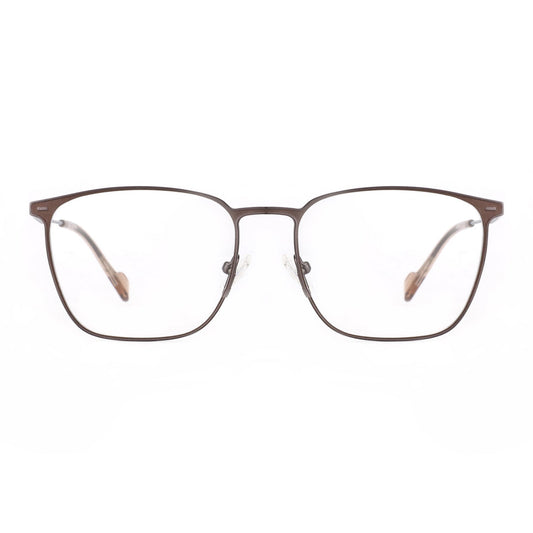
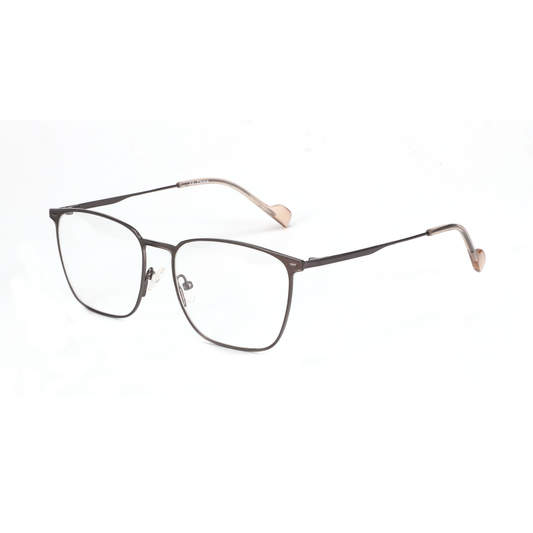
Recycled plastics and metals represent another avenue. Recycled-metal frames can cut reliance on new mining, though real-world benefits require transparent sourcing data. Many modern options blend materials for optimal strength, weight, and aesthetics. For example, acetate fronts paired with metal temples combine style with adjustability.
Our acetate frames collection includes options that balance classic looks with modern considerations for longevity. Readers comparing acetate vs. metal frames often find that hybrid designs provide a practical middle ground.
The Importance of Durability and Repairability
Durable, repairable eyeglass frames form the foundation of circular eyewear. Frames built with reinforced hinges, quality screws, and replaceable parts can withstand daily wear far longer than fragile fast-fashion alternatives. Spring hinges, for instance, add flexibility that prevents breakage from accidental drops or adjustments.
Repair services and modular designs allow users to replace individual components instead of discarding entire frames. This approach reduces waste and lowers the long-term cost of ownership. Features like adjustable nose pads and sturdy construction further extend usability.
For those seeking repair-friendly options, look at models with visible screw mechanisms and standard-sized parts. Our spring hinges guide explains how these components improve comfort and resilience for active users.

Circular Approaches: From Take-Back to Responsible End-of-Life
Circular eyewear emphasizes keeping products in use through repair, resale, or material recovery. Take-back programs let consumers return old frames, though success depends on what the brand actually processes. Some brands partner with specialized recyclers, while others focus on designing for disassembly.
In practice, the most effective circular strategy starts with buying fewer, better-made pairs. Calculating cost per wear helps demonstrate how a durable frame pays for itself over time compared to frequent replacements. Our cost per wear strategy shows how quality pieces deliver superior value.
Proper care further supports longevity. Following science-based cleaning methods prevents unnecessary damage and maintains appearance longer. See our guide on caring for glasses for practical tips.
Illustrative Comparison of Sustainable vs Conventional Eyewear
Illustrative comparison based on common patterns; not measured data.
View chart data
| Series | Durability | Repairability | Environmental Impact | Style / Fashion | Price |
|---|---|---|---|---|---|
| Sustainable eyewear | 8 | 8 | 9 | 7 | 5 |
| Conventional eyewear | 6 | 4 | 3 | 8 | 8 |
Illustrative 1-10 relative scores based on common industry patterns described in the brief: sustainable eyewear tends to score higher on repairability and environmental impact, while conventional fast-fashion eyewear tends to score higher on price and style; values are heuristic, not measured data.
How to Evaluate Sustainability Claims
When researching brands, prioritize transparency. Look for specific details on material composition, recycled content levels, and repair policies rather than generic “eco-friendly” statements. Third-party certifications or clear manufacturing disclosures add credibility, as noted in environmental claims guidance from the EPA.
Compare options by asking targeted questions: What percentage of the frame uses recycled or bio-based materials? Are parts replaceable? Does the brand offer repair services or take-back? How long is the expected lifespan under normal use?
Avoid assuming higher prices automatically equal better sustainability. Value comes from extended usability and reduced replacement frequency. Our guide to removing scratches highlights prevention over repair, reinforcing the durability mindset.
Buyer Checklist: Choosing Durable, Repairable, Circular Eyewear
Use this practical checklist when comparing frames:
-
Material transparency: Seek clear information on bio-acetate, recycled content levels, or metal sourcing. Prefer specifics over broad claims.
-
Construction quality: Check for reinforced hinges, standard screws, and adjustable components that support repair.
-
Repair and maintenance support: Confirm availability of replacement parts or authorized repair services.
-
Expected lifespan: Opt for styles that suit your daily routine and resist trends that encourage frequent changes.
-
End-of-life options: Investigate take-back programs or local recycling guidance for eyewear components.
-
Style and fit: Ensure the frame feels comfortable and aligns with your aesthetic so you actually wear it long-term.
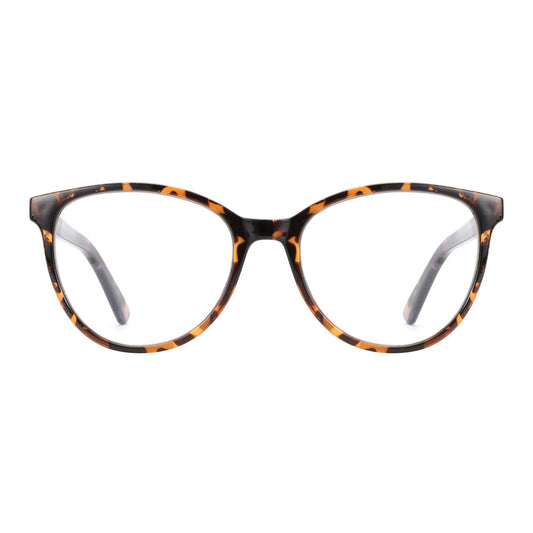
Applying this framework helps identify options that deliver real value. For high-quality examples, explore our women's eyeglasses collection or specific models like the Zenottic Eyeglasses Claire, known for premium acetate construction.
Additional style inspiration can be found in our metal vs acetate frames guide for thick lenses and general eyeglasses collection.
Conclusion: Making Better Choices for Style and Responsibility
The rise of sustainable eyewear reflects a shift toward mindful consumption. By prioritizing durability, repairability, and transparent circular practices, consumers can reduce waste while enjoying fashionable, comfortable glasses. Success depends heavily on room conditions—no single material solves every scenario—and individual priorities around lifespan versus initial cost.
This article discusses comfort and setup considerations for eyewear only. It does not constitute medical advice, diagnosis, or treatment. If you experience persistent discomfort or have existing eye conditions, consult qualified eye care professionals.
Focus on pieces you will wear often, maintain properly, and repair when possible. This approach supports both personal style and broader environmental goals without relying on unverified promises. Start by evaluating your current frames against the checklist above, then explore quality options that align with your values for the long term.
