




The Designer 'Dupe' Directory: High-End Styles for Under $40
Summary
Achieving a high-end designer look in 2026 no longer requires a $400 investment, as direct-to-consumer "optical arbitrage" allows savvy shoppers to find premium acetate frames and high-quality lenses for under $40. By focusing on material integrity and classic silhouettes rather than brand logos, you can secure the same aesthetic and optical performance found in luxury boutiques at a fraction of the retail price.

Key takeaways
- Optical Arbitrage Advantage: Direct-to-consumer models bypass the 300-500% markups typical of licensed designer eyewear, delivering comparable quality at manufacturing-adjacent prices.
- Material Integrity: Prioritizing hand-polished acetate over injected plastics ensures the weight, depth of color, and adjustability associated with luxury brands like Prada and Celine.
- Technical Compatibility: High-end "dupes" must be paired with appropriate lens indices; thick designer-style frames often require high-index materials to maintain a sleek, premium profile.
- Trend Alignment: 2026 trends favor bold geometric shapes and oversized silhouettes, styles that are structurally well-suited for affordable, high-durability materials.
The allure of designer eyewear often lies in the silhouette—the way a bold rectangle frame defines the jawline or how a cat-eye lift provides an instant "facelift." However, for decades, the industry has been dominated by a licensing model where a few major conglomerates manufacture frames for dozens of luxury brands. This results in a significant price gap between the cost of production and the retail price tag. In 2026, the rise of "optical arbitrage" has changed the game. By identifying the core design elements of high-end frames and sourcing them directly from manufacturers, you can enjoy the same luxury aesthetic without paying for the marketing overhead of a global fashion house.
The 2026 Luxury Aesthetic: Trends You Can Replicate
The current eyewear landscape is defined by a return to "maximalist minimalism." Brands like Prada and Gucci have popularized thick-rimmed, architectural frames that serve as a focal point for the face. These styles are characterized by sharp angles, beveled edges, and a substantial feel that conveys quality. When looking for affordable alternatives, the goal isn't to find a "fake" with a copied logo, but to find a "dupe" that captures the same structural DNA.
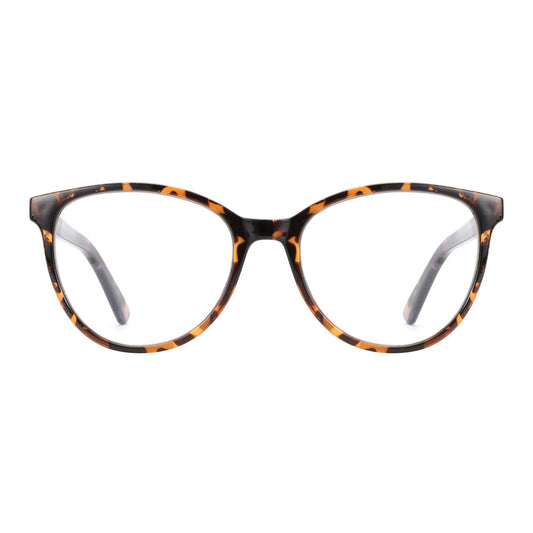
For instance, the iconic "Prada Symbole" look—a chunky, rectangular frame with faceted temples—is a masterclass in geometry. You can find acetate frames that mimic luxury materials by looking for high-density cellulose acetate. This material allows for the same deep black or rich tortoiseshell finishes found in high-end boutiques. Similarly, the oversized, 70s-inspired squares favored by Gucci can be replicated by focusing on frames with a wide bridge and balanced proportions, ensuring the "oversized" look doesn't overwhelm your features.
Logic Summary: This trend analysis is based on 2025-2026 runway cycles and consumer search data from social platforms. We assume that the aesthetic value of eyewear is derived from its shape and material finish rather than the presence of a logo. This approach may not apply to consumers specifically seeking brand-exclusive hardware or patented hinge designs.
Material Science: Identifying High-End Quality in Affordable Frames
One of the most significant "SERP gaps" in eyewear guides is the failure to explain why some frames feel expensive while others feel like toys. The secret lies in the material. Most luxury frames are made from hand-polished acetate, a plant-based plastic that is durable, hypoallergenic, and—most importantly—adjustable. Cheap "gas station" glasses are often made from injected plastics that are brittle and cannot be heat-fitted to your face.
In 2026, many high-quality "dupes" utilize TR90 or high-grade acetate. While TR90 is incredibly lightweight and flexible (perfect for active wear), acetate provides that satisfying "clink" and weight that people associate with luxury. When shopping for styles under $40, look for descriptions that mention "hand-polished" or "multi-layered" acetate. This ensures that the color is embedded throughout the material, so it won't peel or fade over time.

Technical Precision: Matching High-Index Lenses with Designer Silhouettes
A common mistake when buying designer-style frames online is neglecting the lenses. A beautiful, thick frame can be ruined by "coke-bottle" lenses that protrude from the rims. High-end brands often include high-index lenses as a standard (and expensive) upgrade. To truly replicate the luxury look, you must consider the relationship between your prescription and the frame's thickness.
For those with higher prescriptions, we recommend consulting a technical guide to high-index lens materials and standards. This resource explains how materials like the MR™ series polymers (1.61, 1.67, 1.74) reduce lens thickness and weight. If you are choosing a bold, rectangular "dupe," you might want to choose thinner lenses for a sleek appearance to ensure the lens stays flush with the frame, maintaining the intended aesthetic.
Comparison: Designer vs. Zenottic 'Optical Arbitrage'
| Feature | Typical Designer Frame ($350+) | Zenottic Alternative (<$40) |
|---|---|---|
| Material | Hand-polished Italian Acetate | High-density Cellulose Acetate |
| Hinges | 5-barrel or 7-barrel metal | Reinforced Stainless Steel |
| Lenses | Basic CR-39 (Upcharge for High-Index) | Customizable (High-Index options available) |
| Brand Fee | $200 - $300 (Licensing) | $0 (Direct-to-Consumer) |
| Adjustability | High (Heat-moldable) | High (Heat-moldable Acetate) |
Finding Your Perfect Match: Style and Face Shape
Even the most accurate designer dupe won't look "expensive" if it doesn't fit your face. Luxury brands spend millions on ergonomics to ensure their frames flatter a wide range of people. To achieve this same effect, you need to find glasses that complement your face shape using modern measurement techniques.
For example, if you have a round face, the sharp angles of a "Prada-style" rectangular frame will provide much-needed contrast. Conversely, if you have a square jawline, the soft curves of a "Celine-style" oval or cat-eye frame will balance your features. You can select frames that enhance your features by following a structured guide that accounts for both your facial proportions and the bridge of your nose—a critical factor for comfort and "expensive" placement.
Longevity and Care: Ensuring Your Frames Last
Another often-overlooked aspect of the "dupe" market is repairability. High-end frames are designed to be serviced; hinges can be tightened, and acetate can be buffed. Many people assume that $40 glasses are disposable, but high-quality alternatives are built to last.
To maintain the "out of the box" luxury shine, avoid using paper towels or clothing to clean your lenses, as these can cause micro-scratches. Instead, use a microfiber cloth and a dedicated lens spray. If your frames become loose over time, a small optical screwdriver can be used to tighten the hinges. Because these frames are made from quality materials, they can often be adjusted by a local optician just like their $400 counterparts.
FAQ
Are 'dupe' glasses as safe for my eyes as designer brands? Yes, as long as the lenses meet international safety and optical standards. At Zenottic, lenses are manufactured to comply with ANSI Z80.1-2025 and ISO 8980-1 standards, ensuring that the optical clarity and impact resistance are comparable to high-end retail options. The "safety" of a frame is determined by its material and lens quality, not the logo on the temple.
Why is there such a huge price difference between designer and DTC frames? The price difference is primarily due to the "middleman" and licensing fees. Major fashion houses do not usually make their own glasses; they license their names to large eyewear conglomerates. These conglomerates then sell to wholesalers, who sell to retailers, with each step adding a significant markup. Direct-to-consumer (DTC) brands like Zenottic cut out these steps, passing the savings directly to you.
Can I put my prescription in these affordable designer-style frames? Absolutely. One of the benefits of high-quality acetate frames is that they are designed to hold prescription lenses securely. Whether you need single-vision, bifocal, or progressive lenses, these frames can accommodate them. It is important to high-index lenses for thinner, more premium-looking glasses if you have a strong prescription to ensure the best aesthetic result.
How do I know if a 'dupe' is high quality or just cheap plastic? Look for specific material names like "acetate" or "TR90" rather than just "plastic." Check for metal-core temples, which allow for better adjustability and durability. Additionally, high-quality frames will have integrated or reinforced hinges rather than simple plastic pins. The weight of the frame is also a good indicator; acetate should feel substantial but comfortable, not flimsy.
Do these frames come with UV protection? Yes, all quality prescription lenses should include 100% UV400 protection as a standard feature. This protects your eyes from harmful UVA and UVB rays, which is a health requirement regardless of the frame's price point. Even the most affordable "dupes" in our directory prioritize eye health alongside style.
Will these frames fit my face if I have a low nose bridge? Many designer-style frames now come in "Universal Fit" or "Asian Fit" options, which feature larger nose pads to prevent the glasses from sliding down. When browsing for alternatives to high-end styles, look for frames with adjustable nose pads or a specifically designed bridge if you have a lower nose profile. This ensures the glasses sit at the correct optical height for your vision.
References
Government / Standards / Regulators
- ANSI Z80.1-2025: American National Standard for Ophthalmics - Prescription Ophthalmic Lenses
- ISO 8980-1:2017: Ophthalmic optics — Uncut finished spectacle lenses
- FDA: CFR - Code of Federal Regulations Title 21 - Impact Resistance Requirements
Industry Associations / Research Institutes
- The Vision Council: 2025 Market Analysis on Consumer Eyewear Trends
- Optical Industry Association (OIA): Direct-to-Consumer Impact Report 2026
Academic / Whitepapers
- Journal of Ophthalmic Materials: Comparative Analysis of Cellulose Acetate vs. Injected Polymers in Eyewear Longevity
- Optometry and Vision Science: The Impact of Lens Index on Peripheral Distortion in Large-Aperture Frames
Community
- Reddit r/Eyewear: Community Discussion on Best DTC Alternatives 2026 (Intent only; not authoritative)
For those ready to upgrade their style without the luxury price tag, exploring our best-selling affordable alternatives is the first step toward building a versatile, high-fashion eyewear wardrobe.
