



Metal vs. Acetate Frames: Which Hides Thick Lenses Best?
For people with strong minus prescriptions, choosing the right frame material can make a noticeable difference in how obvious thick lens edges appear. Acetate frames often conceal lens edges better than many metal styles because their thicker rims provide more coverage around the lens, while thin wire metal frames tend to expose those edges more readily. However, frame size, shape, and rim depth usually matter as much as or more than the material itself, and no option can fully hide lens thickness in very strong prescriptions.

High-index lenses such as 1.74 are already much thinner than standard plastic, yet the edges can still become visible when the prescription climbs past -6.00 or -8.00 diopters. Many wearers feel self-conscious about the “ring” effect around their lenses, especially in bright light or when looking from the side. This article compares metal and acetate frames specifically for that concern, drawing on optical dispensing guidance and frame selection principles so you can make a more informed choice when shopping for frames that work with high-index lenses.
Why Lens Thickness Still Shows with High-Index Lenses
Even the best 1.74 high-index lenses have beveled edges that become thicker toward the perimeter as prescription power increases. The higher the minus power, the more pronounced this edge bevel tends to be. Frame choice influences how much of that edge is visible because the frame must hold and cover the lens perimeter.
Smaller lens openings generally reduce how much edge is on display. As noted in the Vision Council Dispensing Guide, smaller frames limit the lens area that can reveal thickness. Frame shape and lens size also interact with your prescription, according to parametric eyewear design research published by the National Institutes of Health.
Lens edging and mounting further depend on the specific frame opening, which is why the same lenses can look quite different in two otherwise similar frames. For very strong prescriptions, even optimal frame choices may only reduce—not eliminate—visible edges.
Metal Frames: Sleek but Often Less Forgiving
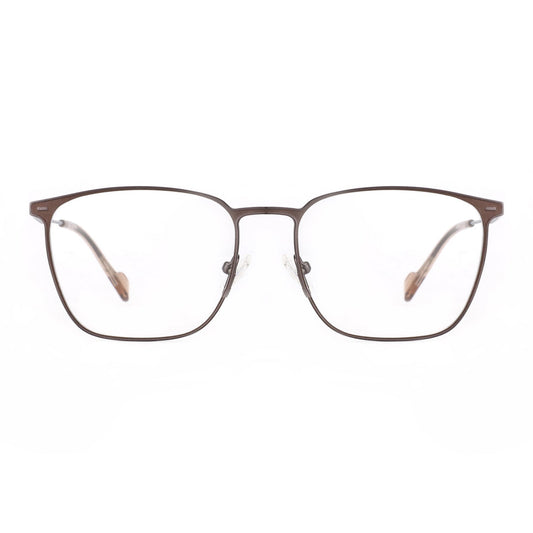
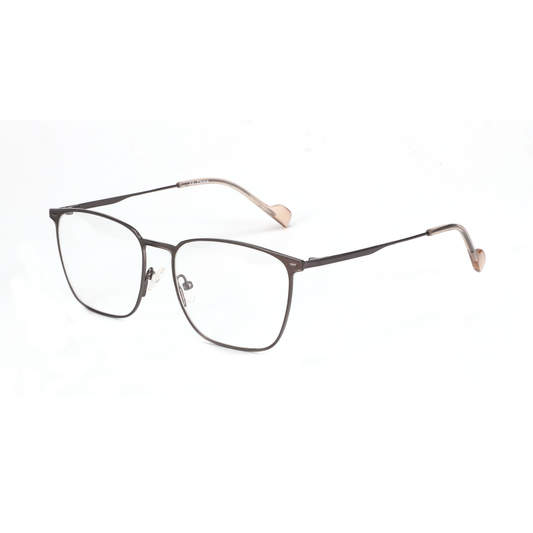
Metal frames, particularly thin wire or semi-rimless designs, offer a lightweight and minimalist aesthetic that many people prefer. However, their narrow rims provide less visual coverage around the lens edge. Thin wire-style and minimal-rim frames are more likely to show lens edges, while fuller rims generally hide them better, according to guidance from optometry resources.

Rimless and semi-rimless metal styles are especially challenging for high prescriptions because there is almost no frame material to mask the lens perimeter. Even full-rim metal frames can expose edges if the rims are very thin or shallow.
The advantage of metal is usually lower weight and a cleaner profile. Titanium or stainless steel options resist corrosion and can feel more durable over time. Yet when concealment is the priority, many high-myopia wearers find that metal requires careful selection of styles with deeper, wider rims.
Acetate Frames: Better Coverage at the Cost of Bulk
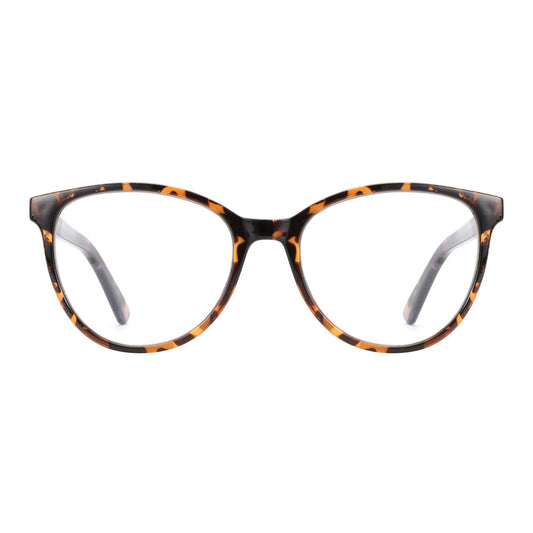
Acetate (often called plastic) frames typically feature thicker fronts and wider rims that physically and visually cover more of the lens edge. Acetate frames often hide thicker edges better than many metal frames because the frame front is usually thicker and more substantial.
This extra material creates a natural border that softens the transition from lens to frame, making the edge bevel less obvious from most angles. Darker or patterned acetate can further reduce contrast between the lens and frame, adding to the camouflaging effect.
The trade-off is that acetate tends to be heavier than metal, especially in larger sizes. Some wearers notice the added weight on the nose or ears after long days. Acetate can also be more prone to warping in extreme heat, although modern formulations have improved stability. Style-wise, acetate offers a wider variety of colors, textures, and vintage-inspired shapes that many find more expressive than metal.
Key Factors Beyond Material That Affect Lens Appearance
Frame material is only one of several variables affecting the final look of high-index lenses. Lens diameter, frame size, rim depth, and how the lens is edged all play important roles.
Smaller frames require a different edging approach than larger frames, which is one reason oversized frames can make lens thickness more noticeable. Round or oval shapes often distribute thickness more evenly than very angular designs. Deep rims that wrap farther around the lens edge provide better concealment than shallow ones.
Prescription strength and lens index work together with these choices. A -4.00 prescription in 1.74 index may look fine in many metal frames, while a -10.00 prescription will challenge even the best acetate styles. Lens coatings and base curve selection can also subtly influence the final appearance.
Illustrative Edge Concealment Comparison
Estimated Edge Concealment by Frame Scenario
Illustrative 0-10 ratings showing relative edge concealment for thick high-index 1.74 lenses under different frame designs.
View chart data
| Category | Concealment rating |
|---|---|
| Small full-rim acetate | 9.0 |
| Medium rimmed acetate | 8.0 |
| Thin wire metal | 2.0 |
| Oversized metal | 4.0 |
| Small rimless metal | 1.0 |
Illustrative, heuristic 0-10 concealment ratings synthesized from expert-style guidance: fuller acetate rims conceal edges better than thin wire metal; smaller frames reduce visible lens edge area; shape, size, and rim depth matter more than material alone. Not official statistics or measured experimental values.
These ratings are illustrative only and meant to highlight relative differences based on typical optical guidance. Actual results vary with your exact prescription, face shape, and lens finishing.
Common Myths About Frames and Thick Lenses
Several misconceptions circulate in online discussions about high-prescription eyewear.
Myth: All metal frames are bad for high prescriptions. Reality: Thin wireframes tend to reveal lens thickness more, but metal itself is not the only deciding factor. Some metal frames with deeper rims can perform adequately for moderate prescriptions.
Myth: Acetate always hides thick lenses perfectly. Reality: Fuller rims often conceal better, but the result still depends on frame size, lens power, and shape. Very strong prescriptions can still show edges.
Myth: Frame material is the only thing that matters. Reality: Concealment usually depends on a combination of material, rim depth, frame shape, and prescription strength.
Avoid assuming that switching materials alone will solve visibility issues if your frames are oversized or your prescription is extreme.
Trade-offs to Consider Before You Buy
Acetate usually hides thick high-index lenses better, but the trade-off is that it can feel heavier and bulkier on the face, especially in larger frames. Metal frames tend to be lighter and visually cleaner, but thinner rims often make lens edge thickness more noticeable.
Durability also differs. Quality metal frames resist breaking but can bend out of shape. Acetate offers good flexibility yet may crack if dropped. Style preferences matter too—metal often feels more modern and professional, while acetate provides richer colors and bolder looks.
Cost is another factor. Premium acetate and lightweight titanium metal frames both command higher prices than basic options. Factor in lens cost as well, since high-index 1.74 lenses already increase the total investment.
When to Choose Metal, Acetate, or Something Else
Choose acetate when edge concealment matters more than minimal aesthetics, especially for strong minus prescriptions or 1.74 lenses. Opt for metal when you want a lighter look, your prescription is moderate, and the frame has enough rim depth or a fuller front to obscure the edge.
Avoid both as a complete solution if the frame is oversized, the lens shape is very shallow in the wrong areas, or the prescription is so strong that edge thickness stays obvious despite coverage.
Practical Checklist: How to Choose Frames That Minimize Visible Lens Edges
Use this checklist when shopping online or in-store:
- Measure or estimate your lens diameter—aim for the smallest lens size that still fits your pupillary distance comfortably.
- Prefer full-rim styles over rimless or semi-rimless when hiding thickness is important.
- Look for deeper, wider rims rather than thin wire designs.
- Choose darker or matte acetate colors to reduce edge contrast.
- Check the frame’s lens opening measurements before ordering high-index lenses.
- Ask your optician or online provider how the lenses will be edged and beveled for the specific frame.
For very high prescriptions, consider combining small acetate frames with the highest available index and aspheric lens design. Remember that even the best combination may only reduce—not eliminate—visible edges.
This article only discusses comfort and setup advice related to eyewear aesthetics. It does not constitute medical advice, diagnosis, or treatment. If you experience persistent discomfort or have existing eye conditions, consult qualified eye care professionals.
Final Thoughts
Acetate frames generally offer better concealment for thick high-index lens edges thanks to their fuller rims, while metal frames excel in lightness and sleek styling but require more careful selection to avoid exposing edges. The biggest improvements usually come from choosing smaller frames with adequate rim depth rather than fixating solely on material.
Your optimal choice depends heavily on your exact prescription strength, face shape, lifestyle, and how much you prioritize concealment versus other factors like weight and appearance. Test frames in person when possible, or use detailed measurements and virtual try-on tools when shopping online. With the right combination of frame features and high-index lenses, most wearers can achieve a look they feel confident about, even with a strong prescription.
If you are still deciding on lenses, our guide to 1.67 vs 1.74 high-index lenses explains the thickness and clarity differences in more detail. For broader frame comparisons, read our acetate vs metal frames pros and cons.
