




Acetate vs. Metal Frames: Pros, Cons, and Durability
The material of the frame dictates comfort, longevity, and how the glasses fit into your daily life. The two most common contenders in the market are acetate and metal. Each material brings distinct characteristics to the table, from color possibilities to weight. Understanding the fundamental differences between acetate vs metal frames will help you make an informed decision that suits your prescription, style, and activity level. This guide breaks down the pros, cons, and durability factors of each.
What Is Acetate and Why Is It Popular?
Acetate, or cellulose acetate, is a type of plastic derived from natural plant fibers like wood pulp and cotton. It is distinct from standard petroleum-based plastics because it is hypoallergenic and renewable.
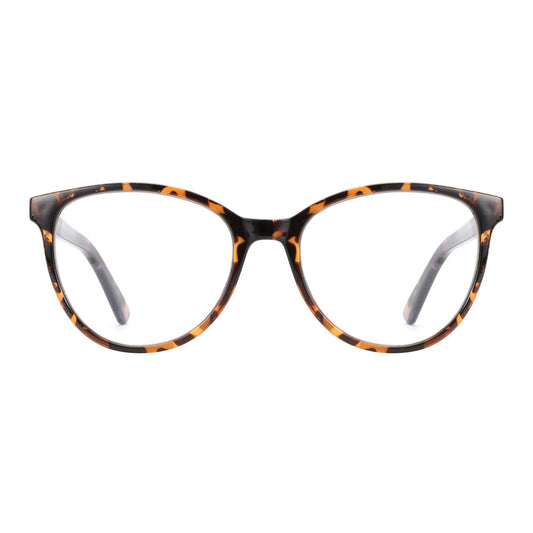
Acetate is loved for its visual depth. Manufacturers can layer different colors and patterns into the material blocks before carving the frames. This allows for rich, complex designs like tortoiseshell or marble that run through the entire frame, not just on the surface. Acetate frames are typically thicker and bolder, making them a centerpiece of a fashion look. They can hide the thickness of high-prescription lenses effectively due to their substantial rims.
What Are Metal Frames Made Of?
Metal frames are usually alloys designed for strength and flexibility. Common materials include Monel (a mix of metals), stainless steel, and titanium.
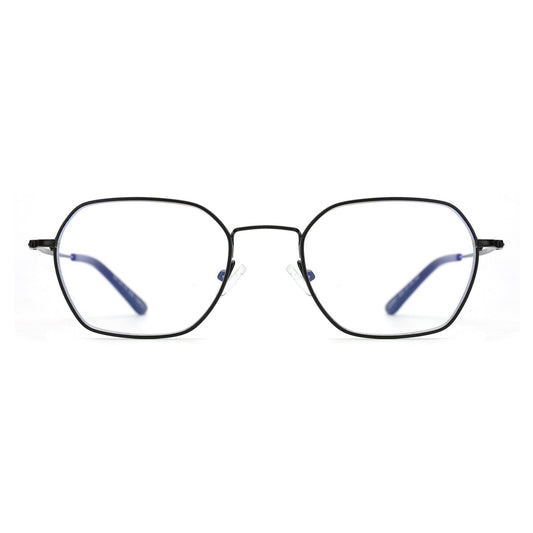
Metal frames are celebrated for their sleek, understated profile. They are often used for rimless or semi-rimless styles. If you prefer glasses that blend into your face rather than standing out, metal is the superior choice. They typically feature adjustable nose pads, which allow for a precise fit on any nose bridge shape, a feature often missing in acetate models.

Acetate vs. Metal Frames: Which Lasts Longer?
Both materials are durable, but they fail in different ways.
Acetate Durability
Acetate is tough but can become brittle over time. It reacts to temperature fluctuations. Leaving acetate glasses in a hot car can cause them to warp or lose their fit. However, acetate is flexible and can absorb impact well without snapping immediately. Scratches on acetate can often be buffed out by an optician.
Metal Durability
Metal frames, especially those made of titanium or stainless steel, are incredibly resistant to corrosion and heat. They hold their shape better than plastic. However, if a metal frame bends significantly, it can be difficult to reshape without breaking the soldered joints. While metal is harder to scratch, once the plating chips or wears off, it cannot be polished back to new condition.
Acetate vs. Metal Frames: Weight and Comfort Considerations
Comfort is subjective, but weight plays a measurable role.
The Feel of Acetate
Acetate frames are generally heavier than metal. Because they lack adjustable nose pads, the entire weight rests directly on the bridge of the nose. If the fit is not perfect, they can slide down or cause pressure points. However, the material feels warmer and softer against the skin compared to cool metal.
The Lightness of Metal
Metal frames are the winners for weight. Titanium eyeglass frames are feather-light, making them ideal for all-day wear. The adjustable nose pads distribute the weight evenly, which prevents red marks on the nose. For people with sensitive skin, choosing high-quality hypoallergenic metals like titanium is crucial to avoid reactions to nickel found in cheaper alloys.
Style and Versatility: Matching Your Look
Your glasses are an accessory. The material should align with your personal style.
Acetate frames scream personality. They are available in every color of the rainbow, from clear crystal to deep black. They are often associated with creative, retro, or "hipster" styles. Metal frames, on the other hand, convey a professional, intellectual, or classic vibe. They are less obtrusive and pair easily with formal business attire or jewelry.
Price Points and Value
Generally, the cost difference is determined by craftsmanship rather than just the material category.
High-quality handmade acetate frames require a long curing and polishing process, which drives up the price. Similarly, premium metals like titanium are expensive to manufacture. At the budget end, injection-molded plastic (imitation acetate) is cheaper than basic metal. However, for mid-range options, metal frames can sometimes be slightly more expensive due to the complex hinge construction and welding required. Both offer good value depending on how well you care for them.

Conclusion
The battle of acetate vs metal frames has no single winner; it depends on your priorities. If you want bold colors, a sturdy feel, and frames that hide thick lenses, acetate is your best bet. If you prioritize lightweight comfort, adjustability, and a minimalist aesthetic, metal frames are the logical choice. Consider your lifestyle—are you rough on your glasses? Do you wear them for 12 hours a day? Answering these questions will guide you to the material that offers the best balance of style and function for your unique needs.
FAQs
Which material is better for high prescriptions?
Acetate is generally better. The thicker rim helps conceal the edge thickness of strong lenses. Metal frames can make thick lenses look more obvious and may feel front-heavy.
Are acetate frames hypoallergenic?
Yes, high-quality cellulose acetate is hypoallergenic. However, be careful with cheap plastic frames, which are not true acetate and can cause skin irritation.
Can metal frames corrode from sweat?
Standard Monel or nickel-silver frames can corrode and turn green over time due to skin acidity and sweat. Titanium and stainless steel are corrosion-resistant and are better choices for active users.
Is it easier to adjust acetate or metal frames?
Metal frames are easier to adjust at the nose pads and temples. Acetate frames require heating to be adjusted properly and do not have adjustable nose pads, making the initial bridge fit critical.
Which material is trendier right now?
Both are in style. Chunky acetate frames are trending for a bold, vintage look, while thin geometric metal frames are popular for a modern, sleek aesthetic.
