




Strong Prescription, Small Budget: Getting Thin Glasses Affordably
Strong prescriptions often mean dealing with noticeably thick lenses that add weight and the unwanted bug-eye effect, but you don't have to spend hundreds of dollars to get thinner, more comfortable glasses. By focusing on affordable high-index lens options, smart frame choices, and avoiding common online shopping pitfalls, you can achieve a sleeker look and better all-day wear without overspending.

High-index lenses reduce lens thickness and weight compared to standard plastic, making them especially useful for stronger prescriptions. As this guide to high-index lenses explains, they help minimize the visual bulk that comes with high myopia or hyperopia. For many budget-conscious buyers, the key is knowing when and how to upgrade without falling for misleading base prices that balloon once add-ons are included.
Understanding Lens Index and Why It Matters for Strong Prescriptions
Lens index refers to how efficiently a material bends light. Higher numbers mean the material can achieve the same prescription power in a thinner profile. Common high-index options typically range from about 1.53 to 1.74, as outlined in university optics reviews. Standard 1.50 plastic works fine for mild prescriptions, but once you reach -4.00 or stronger (or +3.00 and above), the thickness difference becomes obvious.
Official guidance from sources like state health programs describes high-index lenses as thinner and lighter for stronger prescriptions. This thinning not only improves appearance but also reduces the weight pulling on your nose and ears. However, higher-index materials often come with trade-offs such as lower Abbe values, which can increase chromatic aberration (color fringing) in some cases. For most daily wearers, the visual benefit outweighs this when chosen appropriately.

Budget-Friendly Lens Choices: 1.61, 1.67, or 1.74?
When shopping for cheap glasses online with a strong prescription, the lens index is your primary lever for controlling thickness. Here's a practical breakdown:
- 1.61 High-Index: A solid mid-tier upgrade that noticeably thins lenses for prescriptions around -4.00 to -6.00. It offers a good balance of cost, weight, and optical quality.
- 1.67 High-Index: Provides more thinning for stronger prescriptions (-6.00 and above) while remaining relatively affordable. Many find this the sweet spot for everyday use.
- 1.74 Super High-Index: Delivers the thinnest profile for very high prescriptions (-8.00 or stronger), but it carries a higher price and potential for more noticeable color fringing.
Our illustrative chart below shows relative trade-offs based on common industry patterns. Higher index generally delivers greater thickness reduction but at increased cost. These are heuristic values meant to guide budgeting, not precise measurements.
Lens Index Trade-offs for Strong Prescriptions (Illustrative)
Use this as a relative buying guide, not a precise price or thickness chart.
View chart data
| Category | Relative Thickness Reduction | Relative Cost Increase | Suitability for -4 to -8 D |
|---|---|---|---|
| 1.50 Standard | 0.0 | 0.0 | 3.0 |
| 1.61 | 20.0 | 15.0 | 4.0 |
| 1.67 | 35.0 | 30.0 | 4.0 |
| 1.74 | 45.0 | 50.0 | 3.0 |
Illustrative heuristic based on common lens-index trade-offs: higher index generally means thinner lenses but higher cost, with the largest thinning benefit for stronger minus prescriptions around -4 to -8 D. Values are relative scores, not measured market data.
For detailed comparisons of these materials, see our 1.67 vs 1.74 high-index lenses guide. Many Zenottic customers find the 1.67 or 1.74 options provide excellent value when paired with anti-reflective coatings.
How Frame Choice Affects Lens Thickness on a Budget
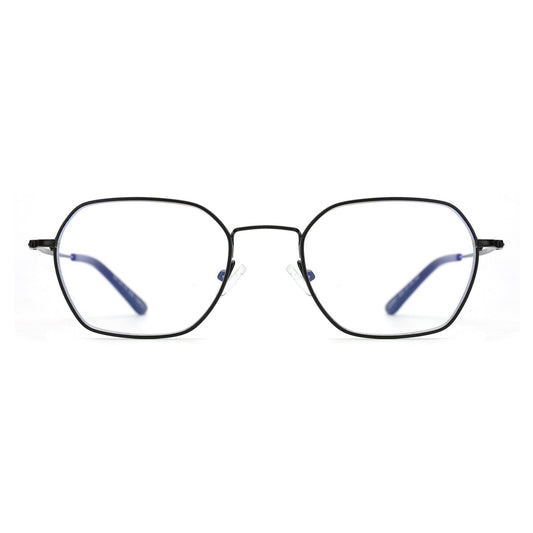
Frame selection is often more impactful than many realize. Smaller frames reduce the lens diameter, which naturally limits edge thickness for minus prescriptions. As practical eyewear advice notes, smaller frames can reduce the visible thickness of strong minus lenses.
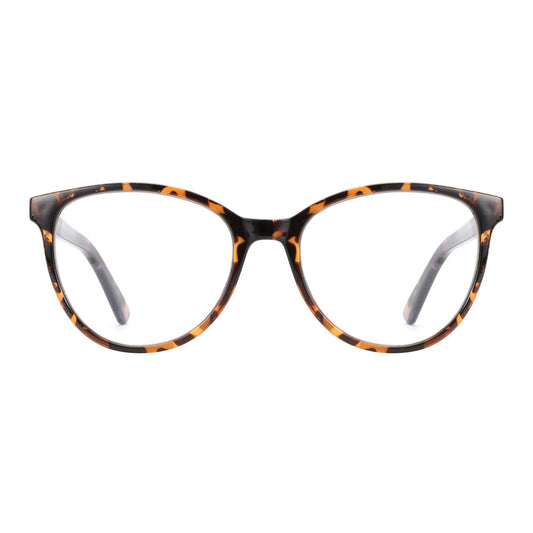
Look for lightweight materials like acetate or titanium that won't add unnecessary weight. Avoid oversized or very round frames if you have a high minus prescription, as they require larger lenses that highlight thickness. Instead, opt for rectangular or wayfarer styles in modest sizes. Zenottic's designer optical frames collection includes many budget-friendly options that work well with high-index lenses.
Combining a sensible frame with mid-tier high-index lenses often delivers better results than automatically choosing the highest index in a large frame.
Avoiding Hidden Fees When Buying Cheap Glasses Online
The lowest advertised price is rarely the final cost. Many online retailers start with basic lenses and charge separately for high-index upgrades, anti-reflective coatings, UV protection, and scratch resistance. Shipping and return fees can further erode savings.
To compare total eyewear cost effectively:
- Add up all lens upgrade fees before checkout
- Check whether coatings are included or extra
- Look for transparent pricing that shows the full prescription cost
- Factor in any current promotions or bundle deals
This online glasses shopping guide offers additional tips on what to watch for when ordering prescription eyewear from home. At Zenottic, we focus on lab-direct pricing with high-index lenses often included or heavily discounted, helping you avoid many of these surprises.
Practical Checklist for Buying Thin Glasses on a Budget
Use this step-by-step approach to make a confident choice:
- Know your exact prescription strength — the higher the number, the more benefit you'll see from high-index.
- Decide your maximum budget including all upgrades and shipping.
- Prioritize lens index first, then frame size and style.
- Always include anti-reflective coating for better clarity and reduced glare.
- Choose frames that complement your face shape while keeping lens area reasonable.
- Verify the retailer's return policy in case the fit or thickness isn't what you expected.
For those replacing old thick glasses, switching to high-index can dramatically improve comfort. Our high-index lenses guide explains when the investment makes sense.
Lens Safety and Durability Considerations
While chasing thinness, remember that lens safety matters. The FDA provides guidance on impact-resistant lenses, reminding us that thickness alone shouldn't dictate your choice. High-index materials can be made impact-resistant with proper treatments, but very thin lenses may require careful handling.
This article discusses comfort and setup options only. It does not constitute medical advice, diagnosis, or treatment. If you experience persistent discomfort or have existing eye conditions, consult a qualified eye care professional.
Finding Affordable High-Index Options at Zenottic
Zenottic specializes in making premium lens materials accessible. Our 1.74 super high-index lenses and 1.67 high-index options deliver the thinning effect strong prescriptions need at factory-direct prices. Pair them with frames from our eyeglasses collection and take advantage of frequent promotions like 20% off lenses.
Students, young professionals, and anyone tired of heavy, thick glasses can achieve a more polished appearance without the premium price tag. Check our best-selling products for popular high-index combinations.
By understanding these trade-offs and shopping strategically, you can get thin, attractive, comfortable glasses even with a strong prescription and limited budget. The key is focusing on total value rather than the lowest sticker price.
Start by reviewing your prescription and trying different frame and lens combinations on trusted online platforms that show real pricing transparency. With the right choices, thinner lenses don't have to mean a thinner wallet.
