


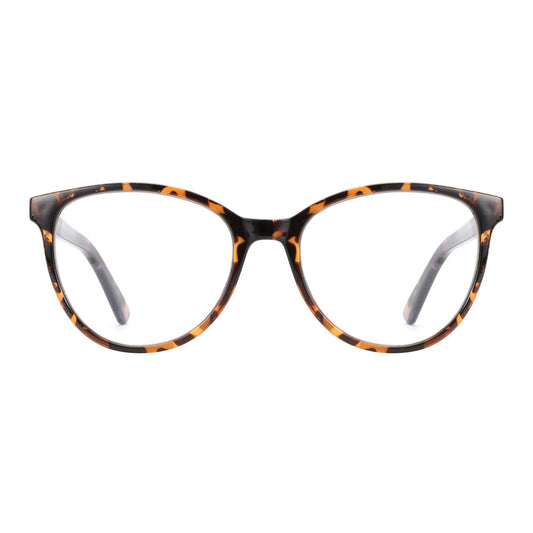

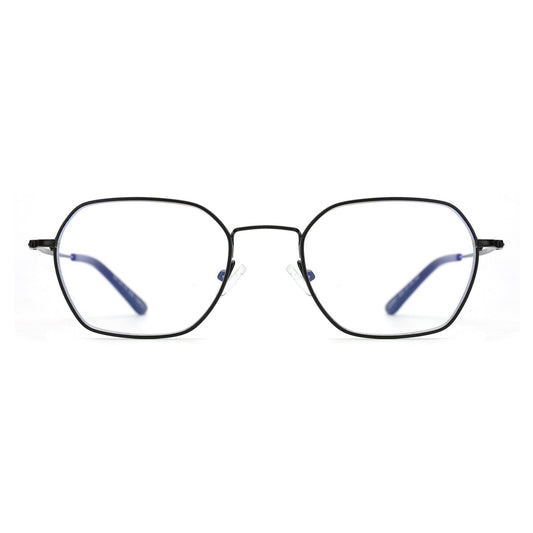

Blue Light Blocking Glasses for Gaming: Clear vs Amber Lenses for Late-Night Screen Sessions
For late-night gaming, clear or lightly tinted lenses keep game colors looking natural, while amber lenses filter more blue light but visibly shift how colors appear on screen. Neither tint is proven to protect your sleep or cut eye strain more than the other.
If color accuracy matters most for your session, lean clear. If you'd rather trade some color accuracy for heavier blue-light filtering, amber is the more logical pick, but treat it as a filtering preference, not a sleep remedy.
Key Takeaways
- Clear or lightly tinted lenses stay closest to true game colors; an obvious amber tint changes color perception more noticeably.
- Typical blue-light-filtering lenses cut roughly 10-25% of blue light, and reaching higher filtering levels requires a visible amber tint.
- Nighttime screen light can shift circadian timing and delay melatonin release, but that's a general finding about light exposure, not proof that any lens tint blocks the effect.
- A major review found blue-light-filtering glasses probably make no difference to computer-related eye strain or sleep quality overall, regardless of tint depth.
Clear vs. amber: which fits late-night gaming?
Your priority decides the pick: color-sensitive players do better with clear or lightly tinted lenses, while players who want heavier filtering more than accurate color can consider amber. When comparing options for evening screen setups, reviewing our performance lens playbook can help you weigh how different materials balance optical clarity with digital demands.
| Decision factor | Clear or lightly tinted | Obvious amber |
|---|---|---|
| Color appearance | Closest to true colors | Noticeably shifted, warmer cast |
| Blue-light filtering | Lower end of typical range | Higher filtering, visible tint required |
| Sleep evidence | No proven benefit either way | No proven benefit either way |
| Eye-strain evidence | No proven benefit either way | No proven benefit either way |
| Best-supported use | Color-critical play, daytime screen work | Accepting a color trade-off for more filtering |

According to Cochrane's review of blue-light-filtering spectacles, typical lenses filter about 10-25% of blue light depending on the product, and reaching higher filtering and amber tint levels requires an obvious amber tint that noticeably changes color perception. Browsing our general blue light blocking glasses collection lets you explore subtle daily tints, but that trade-off, not a sleep or performance guarantee, is what actually separates the two options for gaming.
What nighttime light does—and what glasses evidence shows
Nighttime screen light can alter your circadian rhythm and delay melatonin release, but that finding describes light exposure in general, not the effect of any specific lens. The distinction matters because it's easy to assume glasses automatically fix what the light itself causes.
The National Institute of General Medical Sciences explains that light from a phone or computer screen at night can shift your body clock and delay nighttime screen light and melatonin release. That's a mechanism, not a product claim. Separately, the Cochrane review found that blue-light-filtering spectacles overall probably make no difference to sleep quality, which means the general light-and-melatonin link doesn't automatically translate into a proven benefit from wearing tinted lenses. If you're weighing glasses against simpler screen adjustments, our comparison of glasses and night mode walks through what each setting actually changes.
Clear lenses: prioritize color fidelity
Clear or lightly tinted lenses make more sense when you need game colors, skin tones, or lighting effects to look the way the developer intended. This is a practical inference from the color-perception trade-off reported for amber tint, not a measured gaming result, since no supplied study quantifies how graphics render through either lens type.
Not every lens labeled "clear" filters blue light by the same amount, since filtering strength varies by product even without a visible tint. That variation doesn't change the core logic: if color accuracy is your priority for ranked matches, competitive shooters, or color-graded single-player titles, a clear or lightly tinted lens avoids the amber cast entirely rather than asking you to compensate for shifted colors mid-session.

Amber lenses: accept a visible color shift
Amber lenses trade color accuracy for higher blue-light filtering, and that trade is the honest reason to choose them, not an assumed sleep benefit. The obvious tint needed to filter more blue light will noticeably warm colors on screen, which matters for anyone judging fine color detail in-game.
The same Cochrane review that documents this filtering trade-off also reports on the overall sleep-quality review finding: blue-light-filtering spectacles overall probably make no difference to sleep quality. That conclusion applies to spectacles broadly, not a tested comparison between amber and clear lenses, so amber shouldn't be picked expecting proven sleep protection. If heavier filtering is what you actually want for personal comfort or preference, amber fits that goal; just don't rely on it as a sleep intervention.
Eye strain: tint depth is not a proven fix
The same review found that blue-light-filtering spectacles probably make no difference to computer-related eye strain overall, and that conclusion is not broken down by tint depth. Amber does not outperform clear, nor does clear outperform amber, for reducing eye strain during long gaming sessions.
That computer-related eye-strain review finding means tint choice shouldn't be your main lever against eye strain. If strain during long sessions is the bigger concern, our digital eye strain guide covers screen distance, blink rate, and break timing, factors with more direct evidence behind them than lens tint alone. Pick your tint for color fidelity or filtering preference, and address strain through those separate habits.
To make your decision tonight: choose clear lenses if your game relies on true color cues and competitive visibility, or select amber lenses if you prefer higher blue-light filtering and do not mind warmer screen tones.
FAQs
Do all clear blue-light lenses filter the same amount?
No. Blue-light-filtering lenses typically filter about 10-25% of blue light, and that range varies by product even among lenses that look equally clear. A lens without a visible tint can still differ in filtering strength from another clear lens, so don't assume two clear options perform identically just because neither shows an amber cast.
Do amber lenses guarantee better sleep after late-night gaming?
No. While screen light at night can alter circadian timing and delay melatonin release, a major review concluded that blue-light-filtering spectacles probably make no difference to sleep quality overall. Amber lenses provide heavier filtering, but they are an optical preference rather than a proven sleep remedy.
Can amber lenses distort competitive gaming graphics?
Yes. Achieving higher blue-light filtration requires an obvious amber tint that noticeably alters color perception. In games where identifying subtle color differences, enemy outlines, or dark-scene details is critical, an amber tint adds a visible warm shift that may interfere with visual accuracy.
