




Geometric Frames: The 2026 Style Guide for Bold Eyewear
Geometric frames continue to stand out as a bold yet wearable choice for many people updating their look in 2026. These angular styles, including hexagons and octagons, can add structure and definition, particularly for rounder faces, while high-index lenses help keep the overall weight and thickness manageable for everyday comfort.
Choosing the right pair means balancing fashion impact with real-world fit, especially when shopping online for prescription glasses. This guide walks through current geometric trends, how different face shapes interact with these frames, a practical comparison of hexagon versus octagon styles, and the lens choices that help bold frames stay comfortable all day.
What Makes Geometric Frames a Standout Trend in 2026
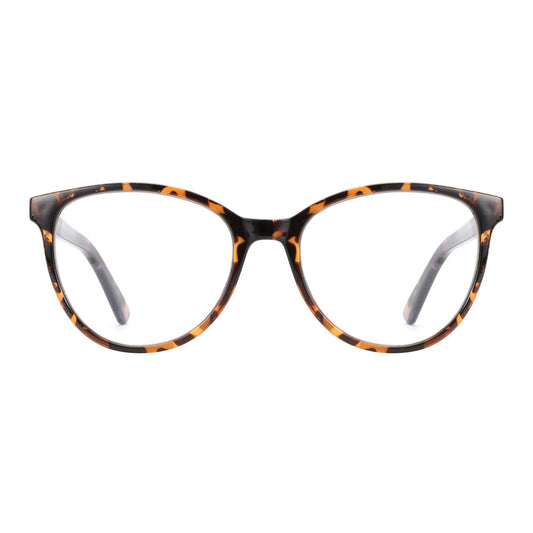
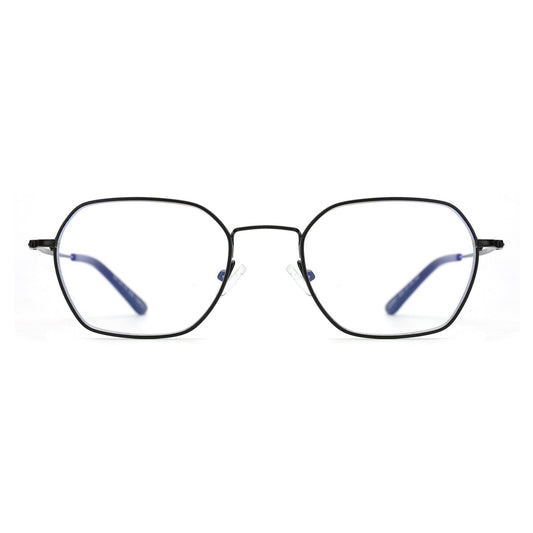
Geometric eyeglasses bring sharp angles and clean lines that contrast with softer, more traditional round or oval frames. In 2026, hexagon and octagon shapes remain popular statement pieces because they offer a modern, architectural look that works well for both prescription glasses and sunglasses. These designs often appear in acetate, metal, or mixed materials, giving wearers options from subtle to dramatic.
The appeal lies in their ability to create visual interest without relying on oversized dimensions alone. Many shoppers seek geometric sunglasses or prescription versions to refresh their style while maintaining versatility for work and weekends. However, success depends on selecting a frame that complements your features rather than overpowering them.

As this guide to choosing frames to flatter your face explains, geometric frames can help add definition and balance proportions for some face shapes, especially rounder faces. The key is treating these styles as proportion tools rather than universal solutions.
Understanding Your Face Shape and Geometric Frame Fit
Face shape remains one of the most discussed factors when selecting eyewear, yet the reality is more nuanced than simple checklists. A good frame usually balances your features rather than following a one-size-fits-all rule, according to optometry guidance on choosing glasses for your face shape.
Common face shapes include round, oval, square, and heart. Geometric frames often add structure to softer contours. For round faces, angular designs like hexagons can create the illusion of length and definition. Oval faces tend to pair well with most geometric styles because the balanced proportions accommodate added angles. Square faces may benefit from slightly softer geometric variations to avoid amplifying angularity, while heart-shaped faces require attention to frame width so the design does not appear top-heavy.
Myth vs Reality: Face Shape Matching
Many online articles suggest one perfect shape per face type, but this oversimplifies the decision. The biggest buying mistake is assuming geometric frames are automatically flattering on every face. In practice, they work more like a proportion tool: they often add definition to softer or rounder faces, but the fit decision should be based on balance, not on a universal face-shape match.
A practical rule is to evaluate whether the frame adds structure without widening the face too much. If the design dominates before lenses are added, it may feel overwhelming regardless of face shape.
Hexagon vs Octagon Glasses Frames: Which Style Fits You?
Hexagon and octagon frames both deliver bold geometry, but they differ in visual sharpness and versatility. Hexagons typically present a more graphic, edgy appearance with six distinct sides, while octagons offer eight sides that can read slightly softer and more refined.
The choice usually comes down to visual preference and how bold you want the look to feel. Hexagon frames tend to create stronger contrast, making them a striking option for those seeking maximum impact. Octagons can feel more wearable for daily use because their additional angles soften the overall silhouette.
Here is a helpful comparison framework:
- Style intensity: Hexagons appear sharper and more fashion-forward; octagons deliver boldness with slightly less stark lines.
- Face shape interaction: Both can add definition to round faces, though hexagons often provide stronger contrast. Oval faces usually suit either style. Square faces may find octagons less harsh, and heart faces benefit from balanced width in either design.

Hexagon vs Octagon Fit by Face Shape
Heuristic suitability score (1-10), based on qualitative guidance only.
View chart data
| Series | Round face | Oval face | Square face | Heart face |
|---|---|---|---|---|
| Hexagon | 9.0 | 6.0 | 4.0 | 4.0 |
| Octagon | 6.0 | 8.0 | 5.0 | 5.0 |
Derived from viewpoint-insighter scenario matrix and threshold notes. Scores are bounded heuristic/illustrative judgments, not official data: hexagon is treated as sharper/more contrast-friendly on round faces, octagon as softer/more versatile, both moderate on oval faces, and both cautious on square/heart faces.
This radar chart presents a heuristic view of relative suitability across face shapes. Scores are illustrative only and should be used alongside actual try-on or detailed measurements. The real flip point is whether the frame’s angles still look intentional on your face once size, width, and brow line are accounted for.
For online shoppers, the shape that looks cleaner in photos can still fail if measurements are off, so confidence comes more from dimensions and return policies than polygon count alone.
Lens Choices That Keep Bold Geometric Frames Comfortable
Bold frames look best when lenses do not add unnecessary bulk or weight. This is where high-index lens materials become relevant. High-index is one of the standard lens-material options used for prescription eyewear, allowing stronger prescriptions to be made thinner and lighter compared to standard plastic.
Lens material and prescription strength affect how thick and heavy glasses may feel. For moderate to strong prescriptions, choosing a higher index (such as 1.67 or 1.74) helps maintain the crisp geometric silhouette without thick edges that can visually compete with the frame design.
If you choose high-index lenses, anti-reflective coating is often worth considering to help manage reflections. These coatings reduce glare and improve clarity, which is particularly useful because higher-index materials can sometimes increase visible reflections.
Comfort depends partly on how the frame distributes lens weight on your nose and head. Lightweight acetate or metal geometric frames paired with optimized lenses reduce pressure points and red marks over time. Shoppers with stronger prescriptions should view high-index options as a practical filter rather than an optional upgrade.
Thresholds for Lens and Comfort Decisions
Practical boundaries help evaluate whether a geometric frame will remain comfortable:
- Mild prescriptions usually tolerate standard lenses in small-to-medium frames without major thickness issues.
- Moderate to strong prescriptions benefit from high-index materials to control weight and edge thickness.
- When lens thickness risks becoming visually obvious in angular frames, higher-index plus anti-reflective coating becomes the safer combination.
- Frame fit matters: stable nose pads and proper width help distribute weight, reducing discomfort even with heavier lenses.
These thresholds are rules of thumb based on material properties rather than strict cutoffs. Individual sensitivity to weight and pressure varies.
How to Buy Geometric Prescription Glasses Online with Confidence
Purchasing bold frames online requires attention to measurements, lens specifications, and retailer policies. Focus on frame width, bridge fit, and temple length to ensure the geometric shape sits correctly on your face. Many Zenottic geometric styles, such as the Zenottic Eyeglasses Celeste or Zenottic Eyeglasses Denise, provide detailed sizing information to support better decisions.
When buying geometric prescription glasses online, focus on measurements, lens choices, and return policies to reduce fit risk. Look for virtual try-on tools, generous return windows, and clear lens upgrade options like high-index materials.
Additional practical steps include:
- Measure your current glasses or use a sizing guide to match new frames.
- Consider your prescription strength when selecting lens index to avoid unexpected thickness.
- Review frame material for durability and weight—acetate often feels lighter for all-day wear.
- Check for adjustable nose pads, especially if you are prone to marks on the nose.
Resources like the ultimate face shape guide for 2026 and technical guide to high-index lenses offer deeper insights into fit and materials. The online glasses shopping guide also covers common pitfalls to avoid.
Balancing Bold Style with Everyday Practicality
Geometric frames deliver fashion impact, but they must also support clear vision and all-day comfort. Avoid selecting purely for trend if your prescription or lifestyle demands lighter weight or stable fit. Stronger prescriptions paired with standard lenses in large geometric frames can quickly shift from stylish to cumbersome.
Do not buy a bold geometric frame for a strong prescription unless you are willing to use high-index lenses. Without them, the frame’s sharp shape can be visually diluted by thicker lenses, and the extra weight can make a statement frame feel less comfortable than it looks.
This article only discusses comfort and setup advice for eyewear. It does not constitute medical advice, diagnosis, or treatment. If you experience persistent discomfort or have existing eye conditions, consult qualified eye care professionals.
Ultimately, the most successful geometric eyewear purchase balances visual appeal with practical considerations. Test fit through measurements and reviews, prioritize appropriate lens materials, and choose shapes that enhance rather than compete with your features. Whether you prefer the sharper lines of hexagons or the refined angles of octagons, the right pair should feel like a natural extension of your personal style.
For more options, explore Zenottic geometric sunglasses for men or related styles in the geometric collection. Taking time to match frame geometry, lens performance, and personal proportions leads to eyewear you will enjoy wearing every day.
