


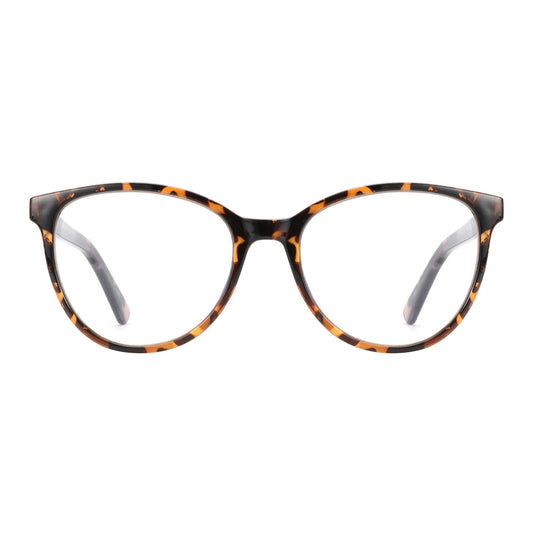

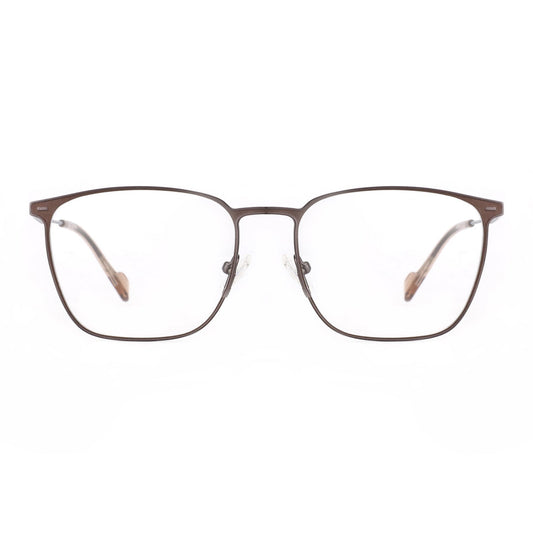
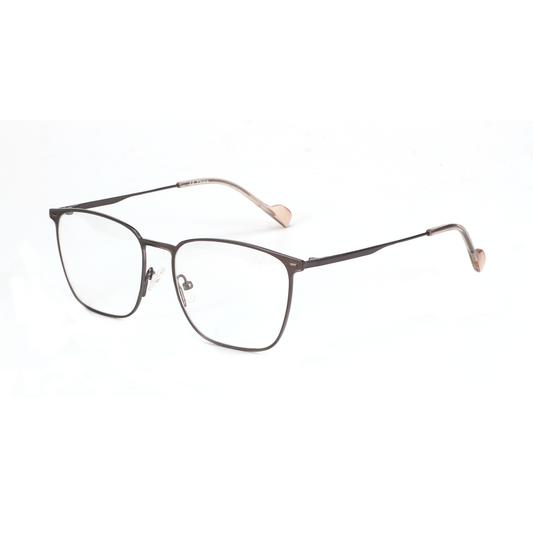
A Child’s Prescription Changed: Can the Old Frame Be Reused?
Sometimes, yes. Reusing kids' glasses frames after a prescription change is possible only when three conditions are met.

The frame must still fit the child now, remain sound enough to survive lens work, and be confirmed by an optician or lens provider to accept lenses made to the new prescription. If any one of those checks fails, a different frame is the better choice.
The old lenses never carry over. Reusing the frame means putting new lenses in it, made to your child's current prescription. The frame is just the holder.
When can a child reuse an old glasses frame?
Keeping kids' glasses frames is really a separate decision from the prescription change. A new prescription tells you the lenses must change. It doesn't tell you whether the frame should change too.
Lens replacement is a common way to update vision in a frame someone already likes. Replacement lenses made to the current prescription can go into an existing frame, but not every frame qualifies. With children, there is one more issue: growth. A frame that fit well when it was bought may not fit after a year of growing.
Here is a quick way to sort the decision:

| Situation | Likely next step |
|---|---|
| Fits well, no damage, provider confirms compatibility | Order new lenses for the current frame |
| Fits poorly or child has outgrown it | Choose a new frame |
| Cracked, bent or questionable condition | Have an optician inspect it before any lens work |
| Provider can't confirm the new lenses will fit | Choose a new frame |
When you're unsure about any row, have the frame assessed before you order anything. Ordering first and checking later is how parents end up paying for lenses that never get worn.
Check the child's fit and the frame's condition
Fit and condition are two separate checks. Fit is about how the glasses sit on your child's face today and where they place the lenses. Condition is about whether the frame can handle having its lenses taken out and new ones put in. A frame can pass one check and fail the other.
Does the frame still fit?
Base this on how the frame fits now, not how it fit when it was new. A child's current fit assessment covers three things:
- Measurements. The frame's eye size, bridge width and temple length (usually printed inside the temple arm) are compared with the child's face to see if the frame has been outgrown.
- Natural wear. The fitter watches how the glasses sit while the child moves normally. This can catch slipping or shifting that the numbers alone would miss.
- Lens centering. The optical center of each lens should line up with the pupil. Pupillary distance (PD), the space between the centers of the pupils, gets wider as children grow. So a frame that once placed the lenses correctly may stop doing that.
Watch for signs at home too. The bridge should rest on the nose without pinching or sliding. The temples (the arms) should reach behind the ears without pressing too hard. If your child keeps pushing the glasses up, or they sit crooked, the fit needs a closer look.
Growth and prescription changes happen on their own schedules. A child's prescription can change while the frame still fits, and a frame can be outgrown while the prescription stays the same. Mild problems, like glasses that feel a little loose or sit unevenly, can often be fixed with a professional adjustment. An adjustment can't fix a frame that is simply too small, though. For a deeper look at measurements, see our kids' frame fit checklist.
Is it sound enough for lens replacement?
A frame that looks fine can still break during lens work. There is a real risk of frame damage during lens replacement while the lenses are being removed or inserted. Tiny cracks that build up in the frame material over time are usually the cause, but frames in perfect condition can break too.
Kids are often hard on their glasses, so check the frame carefully. Look for cracks, bends that won't go back into shape, loose or broken hinges, and damaged nose pads. Professional opticians can inspect frames for weak points and should discuss them with you before you order. Some providers also ask you to sign a waiver saying they aren't responsible for damage during replacement, so find out ahead of time.
If the frame no longer fits or you aren't sure about its condition, hold off on the lens order. Ask an optician to look at it first. Also skip popping the lenses out yourself, since doing it at home raises the chance of breaking the frame or damaging the lenses.
Confirm the specific frame can take the new lenses
Even a well-fitting, undamaged frame may not work with the new lenses. According to guidance on replacement lenses in existing frames, some combinations of old frames and new lenses aren't compatible. Lens providers ask for details about the exact frame so they can judge whether it's eligible. The answer depends on that particular frame and the lenses you choose, so there's no general guarantee that a given child's frame will work.
Ask before ordering
Before you pay for anything, collect what the provider needs and ask a direct question. The provider's answer about your child's frame is what decides it.
- Have the current prescription ready. Make sure it's the updated one from the latest eye exam. In the U.S., eye doctors are required to give you a copy.
- Bring the frame, or describe it. In person, bring the glasses. Online, give whatever frame information the provider asks for, such as the measurements printed on the temple arm.
- Ask the specific question. "Can these lenses, made to this prescription, be made for and fitted into this exact frame?"
- Ask about breakage and timing. Find out what happens if the frame breaks during the work, and how long your child might be without glasses.
If the provider says yes, you can go ahead with lenses for the current frame. If they say no, or can't give a clear answer, choose a different frame instead of hoping the old one will work. Our guide on reusing an old eyeglass frame covers lens mounting and frame shape in more detail. If a new frame turns out to be the answer, you can browse our kids glasses collection.
FAQs
Can my child keep wearing the old lenses until new ones arrive?
The old lenses were made for the old prescription, so they will not match your child's current vision needs. Reusing the frame always requires fitting new lenses. Ask your child's eye-care professional whether they should continue wearing the outdated lenses or use a backup pair while waiting, and plan ahead for the turnaround time.
My child's prescription changed, but the frame still fits. Does it need replacing?
Not necessarily. A prescription change and a fit change are two separate issues. If the frame still fits, is in good shape, and the provider confirms it can take the new lenses, replacing only the lenses is a reasonable option.
Can an adjustment make an outgrown frame work?
Only for small problems. An adjustment can often fix glasses that feel slightly loose or sit unevenly. It can't fix a frame that's too small for your child's face, or lenses that no longer line up with their wider pupillary distance.
Could the frame break when the lenses are swapped?
Yes. Frames can break while lenses are removed or inserted, usually because of tiny cracks, and sometimes even when the frame looks perfect. An optician's inspection beforehand helps you weigh that risk.
