


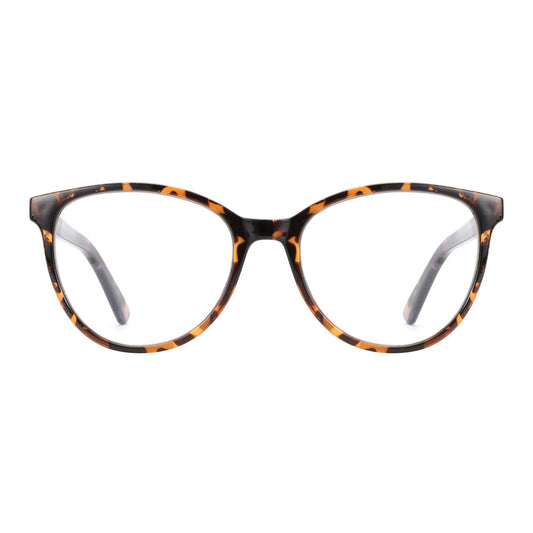

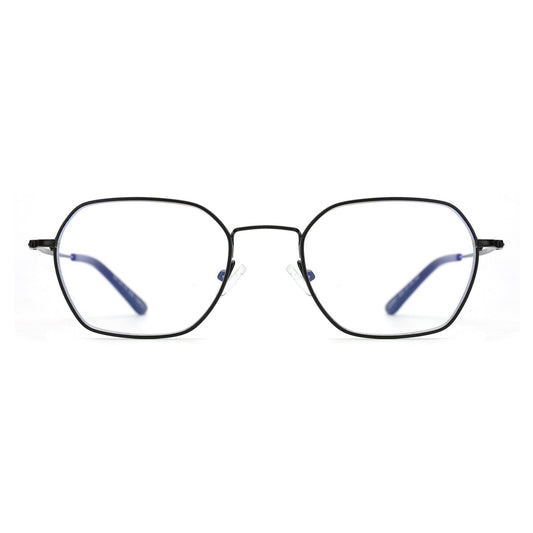

Why Acetate Frames Bleach White: How Skin Acidity and Sun Degrade Plastic Eyewear
Acetate eyeglass frames often look chalky or dull after months of daily wear, and it is easy to assume sweat, skin oils, or sun exposure "bleached" the plastic. The truth is narrower: no direct study on eyeglass frames confirms that skin acidity or sunlight causes this specific change, so the safest first step is to figure out whether you are looking at removable residue or a lasting change in the frame surface. That distinction decides whether a gentle clean solves the problem or whether the mark is likely permanent.
Why acetate frames can turn white or dull
The white or dull look on acetate frames does not have a confirmed cause backed by direct eyewear research, so treat skin acidity, sweat salts, facial oils, and sun exposure as possible contributors rather than proven ones. For everyday wearers choosing acetate frames, a cellulose acetate review notes that the polymer itself has limited photodegradation in sunlight, which means ordinary sun exposure is not established as a cause of white haze on acetate eyewear. That single fact does not rule out other explanations, but it does mean sunlight alone is not a confirmed trigger.
Some material research on cellulose acetate film samples has recorded appearance changes and plasticizer loss as the film aged, with the amount of loss varying by aging condition. That research studied thin films used in unrelated applications, not eyeglass frames, so it cannot be used to diagnose why your glasses look dull or to justify calling the mark "oxidation" or "plasticizer leaching." Until eyewear-specific evidence exists, the more useful question is practical: is the white layer sitting on top of the frame, or is it part of the frame's surface now? Answering that question matters more than assigning a cause, because it tells you whether cleaning can fix it.

How to tell residue from a surface change
There is no verified acetate-specific test that proves a chemical cause, but you can still separate a removable layer from a lasting change by watching what happens during a gentle clean. If a gentle wash with mild soap and a soft cloth noticeably lightens or removes the white film, you were likely looking at surface residue from sweat, oils, or skincare products rather than a change in the plastic itself. If the haze or dullness looks the same after that gentle cleaning, treat it as a persistent surface condition rather than guessing at oxidation, sun damage, or a specific chemical reaction.
That second outcome does not tell you why the frame changed, only that ordinary cleaning will not reverse it. In that case, the practical next step is deciding whether the mark is cosmetic and tolerable, worth a professional opinion, or a reason to consider new frames like our Zenottic Eyeglasses Evina. If the frame also sits unevenly on your face after thorough cleaning, you can also learn how to adjust crooked glasses at home safely. Jumping straight to an abrasive product before confirming residue is gone risks making a cosmetic problem worse.

How to clean sweat residue from acetate frames
Start with the gentlest option before considering anything abrasive, since a soft, careful clean is the only step with direct optical-care backing. General eyeglass-cleaning guidance from an optometry association resource recommends distilled soap and warns against alcohol- or ammonia-based cleaners, which can damage lens coatings. That guidance covers eyeglasses in general, not acetate frames specifically, so treat it as a safe starting point rather than a guaranteed fix for every frame.
- Rinse the frames under lukewarm water to loosen loose dust and surface grime before applying anything else.
- Add a small amount of distilled dish soap to your fingertips and gently rub the acetate temples and front, avoiding the lenses if you can lift them slightly or work around the edges.
- Rinse thoroughly with lukewarm water to remove all soap residue, since leftover soap film can look similar to the original white haze.
- Dry the frames with a microfiber cloth or a product made for ophthalmic lenses. Skip paper towels and tissues, which can scratch both the acetate and the lenses.
- Check the result in good light. If the white film is gone or clearly lighter, residue was the likely cause and regular gentle cleaning should keep it from returning.
Avoid alcohol wipes, ammonia-based glass cleaners, and abrasive kitchen cleaners on acetate frames, since the coating warning above applies to lens coatings and there is no acetate-specific evidence that these products are safe for the frame material either. For a broader routine that also protects your lenses between cleanings, our glasses care tips walk through daily habits that reduce buildup before it sets in.
Does polishing paste help white acetate frames?
Polishing paste is not a supported fix for acetate frames that stay white or dull after a gentle clean, because no acetate-specific evidence confirms it restores the surface or is safe for every frame's finish and lenses. If the residue test above showed the mark is a lasting surface condition rather than removable film, reaching for an abrasive compound is a bigger risk than a reward you can count on. Polishing compounds work by removing a thin layer of material, which can change the frame's finish, dull a coating, or scratch a lens if it drifts from the frame edge.
There is no established method, product, or expected result for polishing acetate eyewear that we can point to with confidence, so we are not recommending one here. If the white area bothers you cosmetically or you are unsure whether your frame's finish can tolerate an abrasive product, the more reliable path is asking an optical professional to look at the frame in person before you try anything abrasive at home. That keeps a cosmetic issue from turning into a frame you can no longer wear.
FAQs
Can sweat cause white marks on acetate glasses?
Sweat residue can leave a visible film on acetate frames, and that film often lightens or disappears with a gentle soap-and-water clean. There is no direct evidence confirming that sweat chemically changes the acetate itself, so a white mark that survives gentle cleaning should not automatically be blamed on sweat.
Does sunlight make acetate frames turn white?
A cellulose acetate review found the polymer alone has limited photodegradation in sunlight, so ordinary sun exposure is not confirmed as a cause of white or dull frames. Frames that spend a lot of time in direct sun and later look dull may have other contributing factors that current eyewear-specific research has not isolated.
How often should I clean acetate frames to prevent buildup?
There is no acetate-specific cleaning schedule backed by direct research, but wiping frames down whenever you notice smudges or after heavy sweating keeps residue from settling in. Using distilled soap and a microfiber cloth regularly is a low-risk habit that avoids the lens-coating damage linked to alcohol- and ammonia-based cleaners.
Should I try polishing paste myself if cleaning does not remove the white film?
We do not recommend it. No acetate-specific evidence shows a paste restores the surface safely, and an abrasive product risks scratching the lenses or changing the frame's finish; asking an optical professional to assess the frame first is the safer next step.
Is a persistent white haze a sign my acetate frames need to be replaced?
Not necessarily. A haze that does not lift with gentle cleaning is a cosmetic surface condition rather than confirmed proof of structural damage, so whether to replace the frames comes down to how much the appearance bothers you and what a professional finds on inspection.
