



How to Check Lens Bevel Fit: Preventing Lens Pop-Out and Frame Warping in Metal Wire Rims
To fix a lens popping out of a metal eyeglass frame, you can usually reseat it yourself if the lens, eyewire, and screw are undamaged. Loosen the eyewire screw just enough to align the lens bevel with the frame groove, then tighten it gently until the rim closes evenly. Stop and see an optician instead if the lens is cracked, the frame looks bent, or the screw will not turn normally.
Start Here: Is a Popped Lens Safe to Reseat?
Knowing when you can fix a lens popping out of a metal eyeglass frame starts with checking hardware condition. A loose screw is not proof that tightening alone will fix the problem. Before you touch a screwdriver, look at three things: the lens edge, the metal eyewire, and the screw head.
The lens should have no chips or cracks along its edge, since a damaged edge will not seat evenly no matter how the screw is adjusted. The eyewire, the metal ring that holds the lens, should sit flat and show no visible twist or bend. The screw head should accept a small screwdriver without resistance. If all three pass this quick look, place the glasses on a clean, stable surface and move to the pre-checks below. If the lens is damaged, the eyewire looks warped, or the screw will not turn normally, stop here and take the frame to an optician instead of forcing anything into place.
Tools and Pre-Checks
Before loosening anything, gather a few basic items and confirm the hardware is in workable condition. None of these require specialty tools.
- A small eyewear screwdriver that fully engages the existing screw head. A tip that wobbles in the slot is the wrong size and will damage the screw.
- A clean, flat, well-lit surface so a dropped screw does not disappear into carpet or fabric.
- A soft microfiber cloth or lens-safe pad to set the lens on, keeping it away from grit or rough surfaces that could scratch the coating.
- A small container or dish to hold the screw once it is out, so it does not roll away.
- Optional magnification, since eyewire screws are small and easy to misjudge by eye alone.
Turn the screwdriver gently and keep it controlled near the lens; a slipped tool can scratch the lens surface or strip the screw slot. Avoid heat, glue, rough tools, or aggressive bending at any point in this process, since those shortcuts tend to create a second problem instead of solving the first one. If the screw is missing or clearly damaged, do not grab a random screw from a repair kit; eyewire screws are not interchangeable by size, and that check belongs with the troubleshooting section below.
Reseat the Lens and Tighten the Eyewire Screw
Reseating a lens in an intact metal frame follows one short sequence: create just enough room at the eyewire, guide the bevel into the groove, then close and tighten without force.
- Support the frame in one hand with the lens facing up, away from the work surface, so nothing presses on the coated surface while you work.
- Loosen the eyewire screw only a few turns, just enough for the metal rim to flex open slightly. Removing the screw completely is rarely necessary and adds a step of finding and reinserting it.
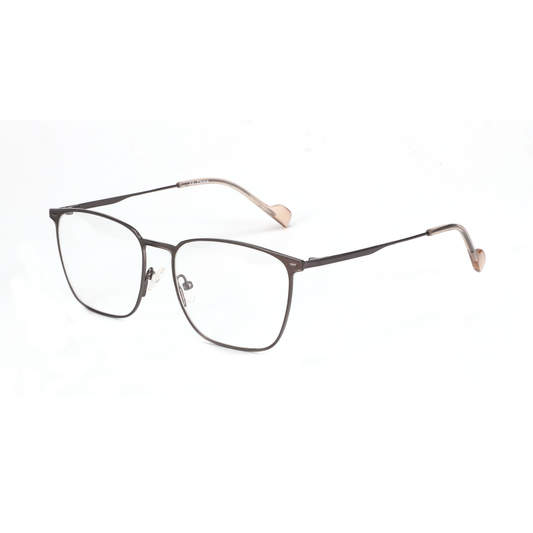
- Locate the lens bevel, the angled edge around the lens, and line it up with the groove inside the eyewire rather than pressing the flat lens face against the rim.
- Guide the bevel into the groove around the full circumference of the lens, easing the eyewire closed as you go instead of forcing one section in first.
- Once the rim closes evenly, make sure to align the lens bevel inside the eyewire groove before turning the screw back in, then tighten it with small, controlled turns.
- Stop tightening as soon as the eyewire feels snug and the lens no longer shifts. If the screw slips, resists, or the lens still sits unevenly after light tightening, back off and move to the troubleshooting section instead of forcing another turn.
The screw's job is to hold a properly seated lens in place, not to compensate for a lens that never fully engaged the groove. If you find yourself tightening harder to close a visible gap, that is a sign to stop and check the seating itself rather than the screw.
Verify Bevel Engagement, Frame Squareness, and Lens Handling
A properly reseated lens shows an even edge all the way around the eyewire, with no gap, pressure point, or visible twist in the frame. Check both the lens seating and the frame shape before you consider the repair finished.
Check the Bevel Around the Lens
Look closely at where the lens edge meets the metal eyewire, turning the frame slowly under good light. The edge should look evenly engaged the entire way around, with no section sitting outside the groove or standing out from the rim. A persistent gap, an exposed edge, or one spot where the lens seems to bulge against the metal means the seating is incomplete or uncertain, not something to correct by tightening the screw further. In that case, reopen the eyewire slightly and repeat the alignment step rather than forcing the current position.
Check Frame Stability and Coating-Safe Handling
Set the glasses on a clean, flat surface and look for obvious rocking or a visible twist between the two lenses; this is a quick visual check, not a formal squareness measurement. Pick the glasses up by the frame and gently flex them as you normally would putting them on, confirming the lens stays fully seated and the frame returns to its normal shape without extra effort. Handle the lens by its edges during this check, and keep the surface away from rough cloths, dust, or anything that could mark the coating. For more on everyday coating care between repairs, our glasses care guide and notes on how glasses should fit cover routine handling once the lens is back in place.
Troubleshoot Pop-Outs, Gaps, and Damaged Screws
Most repeat failures trace back to one of four issues: an incompletely seated bevel, a mismatched or worn screw, a damaged screw head, or a bent frame. Match what you are seeing to the table below before trying another fix.
| Symptom | What it likely means | Next action |
|---|---|---|
| Lens pops out again after reseating | Bevel never fully engaged the groove | Reopen the eyewire and repeat alignment; if it happens twice, see an optician |
| Visible gap or exposed edge after tightening | Lens is held by screw tension, not the groove | Loosen and realign the bevel; do not tighten further to close the gap |
| Screw resists, spins freely, or head looks worn | Screw or internal threads may be damaged | Stop turning; do not force it, and have the screw checked before reuse |
| Frame is visibly bent, cracked, or lens sits insecurely | Frame or lens condition is beyond a basic screw adjustment | Bring the frame to an optician instead of attempting a home repair |
Keep the tool controlled when the screwdriver head is close to the lens, since a slipping screwdriver on a resistant screw is a common way to scratch a lens or strip a screw slot at the same time. If a screw needs replacing, match the original screw circumference; a wider substitute can strip the eyewire's internal threads, and over-tightening any eyewire screw risks breaking it or stripping the head. A damaged or insecure frame is a case for professional repair rather than a repeat home attempt.
FAQs
Can I use any small screw from a glasses repair kit if the eyewire screw is missing?
No. Eyewire screws are not universal, and a replacement needs to match the original screw's circumference. A screw that is too wide can strip the eyewire's internal threads, so use the original screw if you still have it or have an optician identify the correct replacement part.
What if the eyewire screw spins freely or will not tighten?
Stop turning it. A screw that spins without gaining tension usually means the head or internal threads are already worn or damaged, and continuing to force it tends to make the problem harder to repair. Set the frame aside and have an optician inspect the screw and eyewire before trying again.
Can glue, heat, or pliers keep the lens from popping out?
No. Adhesives, heat, and rough tools like pliers do not address why the lens is not seating and can damage the coating, the lens, or the frame shape instead. If the controlled reseating steps in this guide do not hold the lens in place, that result points to professional repair rather than an improvised fix.
What should I do if the lens pops out again after I reseat it?
Do not respond by tightening the screw further. A repeat pop-out after one careful attempt usually means the bevel is not fully seated or another part of the fit has changed, so it is worth having an optician check the lens edge, eyewire, and screw together rather than repeating the same adjustment.
