



The Eyewear Wardrobe: Styling Multiple Glasses on a Budget
You don't need to spend a fortune to own multiple pairs of glasses that make you feel confident and put-together in different situations. Thanks to affordable high-index lens options, building a small, intentional eyewear wardrobe is realistic for most budgets. A practical three-pair rotation—one for work, one for casual days, and one for evenings—lets you match frames to outfits, occasions, and moods while keeping costs reasonable.

The key is treating glasses as versatile style accessories rather than a single medical necessity. Many people choose more than one pair for convenience, backup, or style, and prescription lenses can be selected around the vision tasks they need to support. This approach works especially well when you focus on fit, material tradeoffs, and high-value lens features instead of chasing every trend.
Why an Eyewear Wardrobe Makes Sense in 2026
Wearing the same glasses every day is a bit like wearing the same shoes to the office, the gym, and a night out. Your needs change across settings, and so can your look. Professionals often want a polished pair for video calls and meetings, while weekends call for something relaxed and versatile. Evenings or special occasions let you make a statement with bolder frames that complement your outfit.
The good news is that factory-direct pricing has made quality frames and thin 1.74 high-index lenses far more accessible. You no longer need to compromise heavily on thickness, comfort, or style when buying multiple pairs. However, this doesn't mean every cheap frame equals premium durability or perfect fit. Price alone does not determine long-term comfort or quality, so smart prioritization matters.
According to guidance from vision health resources, glasses primarily correct refractive errors, and different pairs can serve different everyday visual demands without requiring multiple prescriptions for most people. Your optometrist remains the best source for your specific lens powers.
How Many Pairs Do You Actually Need?
Most people benefit from starting small. A three-pair wardrobe provides enough variety for work, weekends, and nights out without becoming overwhelming or wasteful. This framework is a practical heuristic rather than a strict rule.
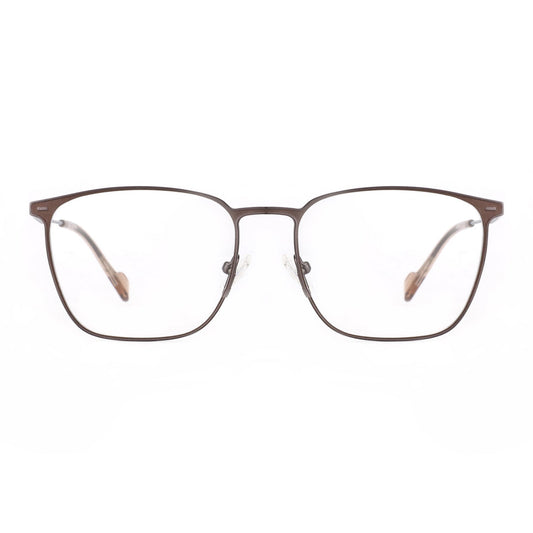
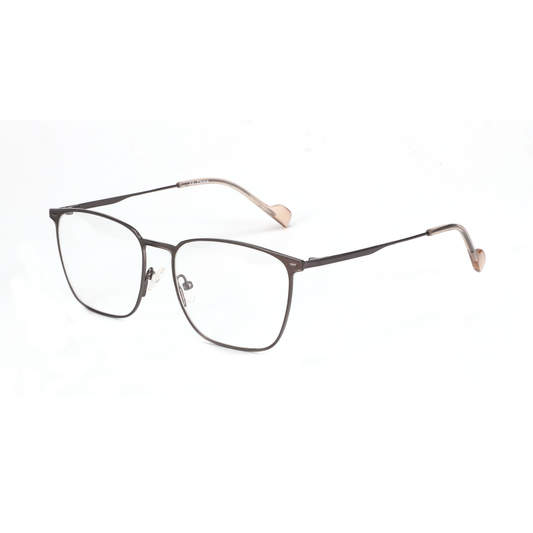
- Work or professional pair: Prioritizes a clean, polished look that photographs well on video calls and conveys competence. Slim rectangular or classic shapes often work best here.
- Casual weekend pair: Focuses on comfort and versatility for everyday errands, coffee runs, or relaxed outfits. Round, wayfarer, or lightweight designs tend to pair easily with multiple clothing styles.
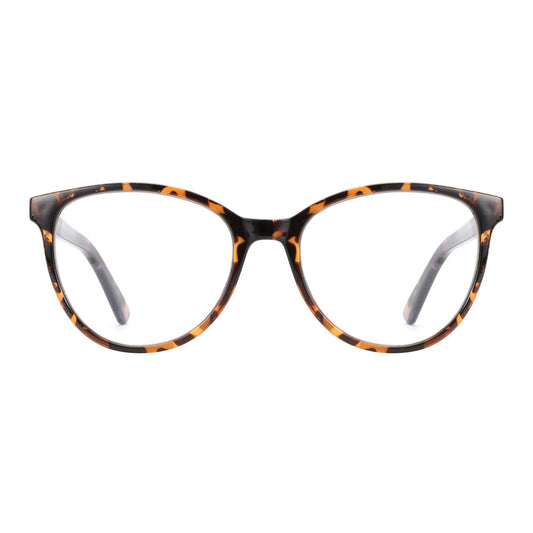
- Evening or statement pair: Allows personality with bolder colors, interesting materials, or flattering shapes like soft cat-eye that complement date-night or dinner outfits.
If your lifestyle is very uniform, two pairs may be enough. If you frequently switch between formal and creative environments, four could be reasonable. The goal is an intentional collection, not accumulation. Backup pairs are a recognized practical use case in many vision coverage policies, showing that owning more than one is common and useful.
What to check before buying multiple pairs
Before adding to your collection, ask yourself:
- Do I have at least one pair that already meets my primary vision needs comfortably?
- Will the new pair serve a clearly different scene or outfit type?
- Can I afford proper lens features (anti-reflective coating, high-index material) on each pair?
- Does my current prescription need updating first?
If the answer to any is no, delay the purchase. This prevents regret and keeps spending purposeful.
Matching Frames to Outfits, Face Shape, and Skin Tone
Frame selection should be guided by face shape, skin tone, lifestyle, and personal style, but these are starting points rather than rigid rules. No universal face-shape formula guarantees perfect results for everyone. The best test is still trying frames on and trusting what feels and looks right to you.
A good frame starts with fit: glasses should sit comfortably without riding above the brows or feeling too tight or loose at the temples and widest part of your face.
Practical matching ideas
- Skin tone harmony: Cool undertones often suit silver, black, or blue-toned frames. Warm undertones tend to look good with gold, tortoiseshell, or earthy browns. These are tendencies, not laws.
- Outfit coordination: Pair neutral professional outfits with slim metal or acetate rectangles. Casual denim or earth tones work beautifully with warm acetate or matte finishes. Evening looks can handle shine, color, or subtle patterns that echo jewelry or clothing details.
- Face shape considerations: Softer round faces may prefer angular frames for balance. More angular faces can soften with rounded or oval shapes. Again, personal preference and actual fit trump theory.
For high-prescription wearers, thinner 1.74 lenses help minimize edge thickness and the magnified or minified eye effect, making style choices more flattering across multiple frames.
Choosing Materials and Lens Features on a Budget
Frame materials vary significantly in weight, adjustability, durability, and feel. Some are better suited to active use, while others prioritize shape retention or lightweight comfort. Understanding these differences helps you allocate spending wisely.
Common practical choices include:
- Acetate: Offers rich colors, good shape memory, and a premium feel at accessible prices. Great for both work and statement pairs.
- Metal (including titanium or stainless): Lightweight, adjustable, and often more durable for daily wear. Ideal for the professional rotation.
- Nylon or flexible materials: Better for active or casual lifestyles where flexibility reduces breakage risk.
Lens decisions matter more than many realize. Prioritize high-index materials (1.61–1.74) for stronger prescriptions to keep all pairs thin and light. Anti-reflective coatings reduce glare for screen-heavy workdays and improve night vision. Blue-light filtering can be added where digital strain is a factor.
Because affordable options now include these features, you can equip multiple pairs without dramatic cost jumps. Still, focus spending on the pairs you wear most. A slightly better lens on your everyday pair often delivers more value than premium extras on a rarely used frame.
Here is one way to think about balancing priorities across a three-pair wardrobe:
Three-Pair Eyewear Wardrobe: Style, Fit, and Budget Priorities
A practical 3-pair rotation can be planned by pairing one work-leaning frame, one low-fuss casual frame, and one higher-personality statement frame.
View chart data
| Category | Prioritize for Style Fit | Prioritize for Material Practicality | Prioritize for Lens Simplicity | Typical Cost Split |
|---|---|---|---|---|
| Work / Professional | 5.0 | 4.0 | 3.0 | 40.0 |
| Casual / Weekend | 3.0 | 5.0 | 2.0 | 30.0 |
| Evening / Statement | 4.0 | 3.0 | 2.0 | 30.0 |
Illustrative heuristic based on style-guide and fit advice from SUNY College of Optometry and AAO-aligned eyewear guidance: frames should sit comfortably without riding above the brow, fit at the temples/widest part of the face, and be chosen to balance face shape and lifestyle. Material/lens priorities are normalized planning signals for a 3-pair rotation, not measured consumer data.
The scores and percentages above are planning signals to illustrate relative emphasis. Adjust them to your own lifestyle and prescription needs. The data is derived from common style and fit heuristics rather than clinical testing.

Building Your First Eyewear Wardrobe on a Budget
Start with your most-used scenario and add thoughtfully. Many shoppers find success buying during sales or choosing versatile frames that work across seasons.
Budget-friendly buying checklist
- Allocate roughly 40% of your total eyewear budget to your primary everyday pair (usually the work or most-worn pair).
- Spend the remaining 60% across the other two, focusing on solid basics rather than multiple statement pieces.
- Insist on high-index lenses (especially 1.67 or 1.74 for stronger prescriptions) and anti-reflective coating on every pair you buy. These features dramatically improve comfort and appearance.
- Choose adjustable nose pads and durable hinges to extend frame life.
- Look for frames that can accept your current prescription easily so you avoid extra exam costs.
- Buy from retailers that offer virtual try-on and easy returns to reduce risk.
Zenottic's affordable prescription eyeglasses and 1.74 high-index options make it practical to equip multiple frames without sacrificing lens quality. Their acetate frames collection offers versatile everyday and statement styles, while the men's eyeglasses and best-selling products provide proven choices across budgets.
For styling inspiration, explore trends like the Office Siren and Bayonetta aesthetic for chic professional looks or Intelligent-Core librarian chic for 2026 for refined everyday options. If you spend long hours at screens, consider anti-glare glasses or frames optimized for 10-hour screen days.
Common Myths and When to Stick with One Pair
A frequent myth is that buying multiple glasses is wasteful or only for wealthy fashion enthusiasts. In reality, when done intentionally, multiple pairs can extend the life of each frame by reducing daily wear and tear and let you match your look to your day.
Another misconception is that cheaper glasses always feel cheap. Many affordable frames today deliver excellent style and, when paired with quality lenses, provide comfortable all-day wear. The difference often comes down to fit and material suitability rather than price alone.
You should probably stick with one excellent pair if:
- Your prescription changes frequently.
- You have a very limited budget and one well-fitted pair with proper coatings meets all primary needs.
- You haven't yet found a frame shape you truly love.
- You wear glasses only occasionally.
In these cases, investing in one high-quality everyday pair (with backup options later) is the wiser path.
Care and Maintenance for a Multi-Pair Collection
A wardrobe lasts longer when you care for it properly. Clean lenses with microfiber cloths and approved solutions. Store each pair in its own case. Rotate usage to prevent any single frame from wearing out prematurely. Periodic adjustments at an optical shop keep fit comfortable as small changes occur.
If you have higher prescriptions, switching to thinner 1.74 lenses across your collection can reduce fatigue compared with heavier alternatives or contact lenses in some cases.
Final Thoughts: Build with Intention
An eyewear wardrobe should feel like a natural extension of your clothing choices—practical, versatile, and enjoyable. By starting with three thoughtfully chosen pairs, prioritizing lens quality, and matching frames to real-life scenarios, you can look polished and feel comfortable without overspending.
This approach depends heavily on your room conditions (in this case, lifestyle and face shape), device quality (lens material and coatings), and personal taste. Results vary, and what feels most comfortable or flattering is ultimately subjective. The advice here discusses comfort and styling setup only. It does not constitute medical advice, diagnosis, or treatment. If you experience persistent discomfort, changes in vision, or have existing eye conditions, consult a qualified eye care professional.
Ready to start your collection? Browse versatile options that pair well across occasions and enjoy the confidence that comes with having the right glasses for the moment.
References
