


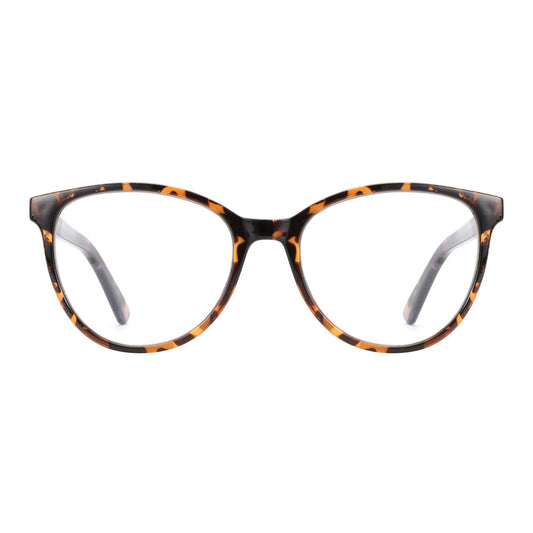

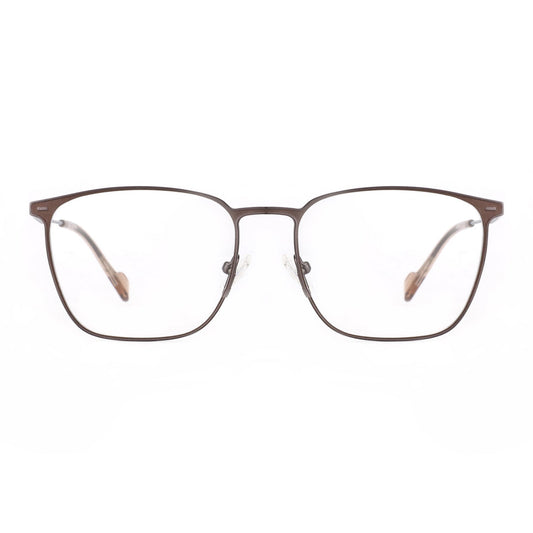
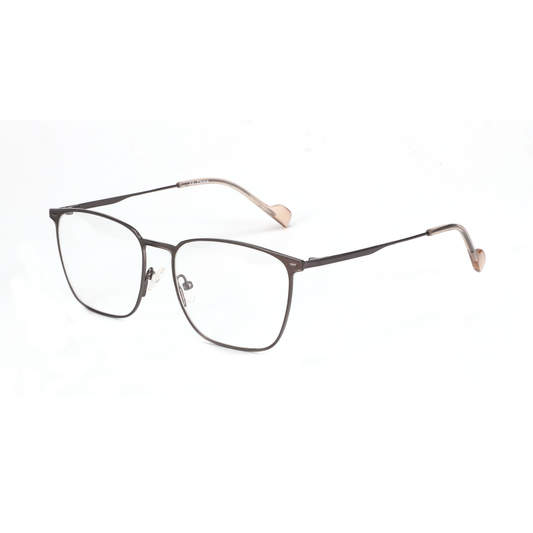


Polarized Sunglasses for Glare Free Outdoor Vision
Polarized sunglasses use a laminated filter that blocks horizontal glare from roads, water and snow while maintaining true color and contrast. Compared with standard tinted lenses, the polarized film is designed to cut reflected brightness without simply darkening the view, which helps the eyes stay more comfortable during long periods outdoors. At Zenottic, polarized sunglasses combine this glare control with UV400 protection and lightweight frames for daily and active use.
For many wearers the difference is most noticeable when driving, near water or on bright pavement, where reflections can obscure lane markings and create eye strain. A well chosen pair can be worn for commuting, fishing, cycling or mountain walks and paired with prescription needs, all while keeping peripheral vision open and color balance natural.
How Polarized Lenses Reduce Glare and Enhance Protection
Not all dark lenses protect equally, and the construction of the filter determines both clarity and comfort. The models in this collection share verified core features that define how modern polarized options perform in real light.
- Filter function : laminated polarized film that filters horizontal reflected light to reduce glare from water, wet roads and glass facades
- Lens material : Tri Acetate Cellulose with scratch resistant coating for durability and stable tint, verified on examples such as TR90 and TR90 and carbon fiber frames
- UV protection : UV400 protection on verified models, which blocks ultraviolet rays independent of lens darkness
- Polarized vs tinted : polarized lenses target reflected glare, while standard tinted lenses mainly reduce overall brightness; the difference is detailed in polarized vs tinted sunglasses differences
- Fit and coverage : lens width 56 to 60 millimeters, bridge 16 to 18 millimeters and temple length 140 to 150 millimeters on verified examples, covering medium to wide fits
- Everyday frame options : TR90, plastic and wood accented plastic frames that keep weight low for long wear without sacrificing coverage, with styles you can compare in all Zenottic sunglasses
Choosing Polarized Sunglasses for Driving and Outdoor Use
If your primary need is road clarity, prioritize polarized models with neutral grey or brown bases that preserve signal colors. For broader learning, the comprehensive guide to polarized sunglasses summarizes how polarization, tint density and coating work together. The Philip polarized sunglasses with TR90 frame illustrates this balance with a 60 millimeter lens width, 18 millimeter bridge and scratch resistant TAC lenses suited to daily driving and city walks.
For waterside or high reflection environments, a larger lens and wraparound temple help block peripheral glare in addition to the filter. When you move between bright daylight and shaded trails, consider whether you need a dedicated polarized pair for glare or a lighter everyday option, since polarization is optimized for reflected light rather than low light contrast.
- For driving : choose grey or brown polarized lenses with UV400 and a close fitting 58 to 60 millimeter width for stable road vision
- For water and snow : wider coverage and polarized filtering reduce sparkle from waves and snowfields; pair with a sport temple for security
- For style rotation : compare polarized with non polarized shapes before deciding on tint, using the broader sunglasses range as reference
- For low light needs : when glare is low but contrast matters, such as dusk driving, consider night vision glasses for low light as a separate option rather than relying on daytime polarized lenses
Prescription wearers can also stay with polarized optics where lens depth allows. The Legend polarized sunglasses with TR90 and carbon fiber shows a 58 millimeter width, 16 millimeter bridge and 145 millimeter temple that accommodates everyday correction while retaining glare control. If you are comparing prescription choices, confirm your lens width and bridge against your pupillary distance before ordering.
Find Your Polarized Pair at Zenottic
Browse this collection by lens width, frame material and tint to match how you drive, travel and spend time outdoors. Whether you need a lightweight TR90 pair for daily commuting or a wider coverage model for water sports, you can refine by fit and coating without switching families. Start from your preferred fit, then select polarized filtering and UV400 to align with where you see the most reflected brightness.
