


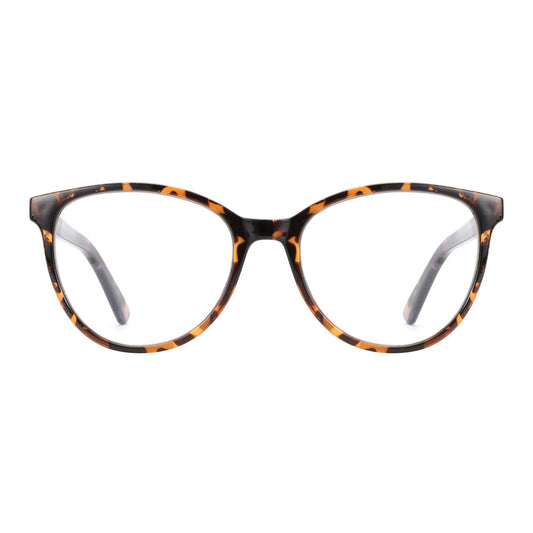

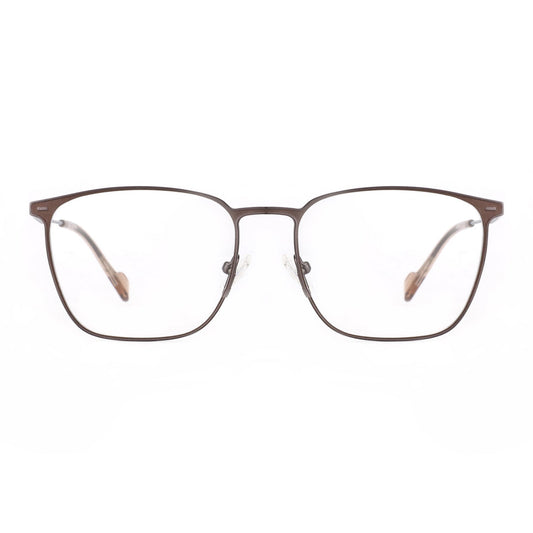
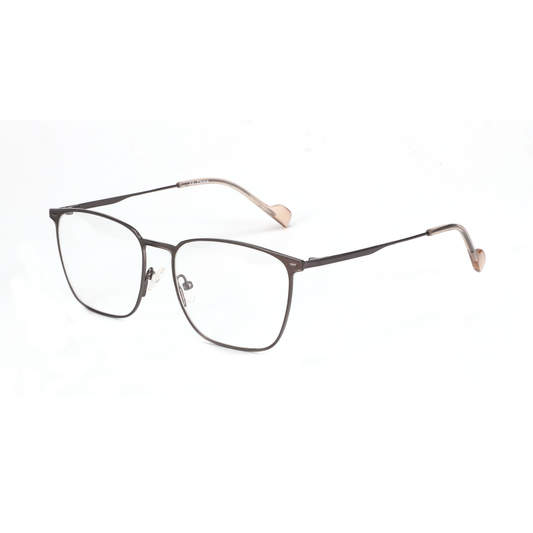
Why Do Glasses Irritate Your Skin: Fit Pressure or Material Sensitivity?
Glasses skin irritation does not tell you by itself whether the cause is fit pressure or a sensitivity to the frame material. Irritation where your glasses rest on your nose may come from either one. A rash near or around your ears may point to something in the frame.
Treat those spots as clues, not a diagnosis. The right next step depends on where the problem shows up and whether it clears.
Fit Pressure or Material Sensitivity? the Supported Answer
Either one can be behind it, and the irritation alone won't tell you which. For soreness or redness where the frame sits on your nose, an ophthalmologist writing for the American Academy of Ophthalmology says it is quite possible that the fit or frame material is causing the problem. So when you're asking whether it's the frame material or a poor fit, the honest answer for the nose is that both stay on the table.
A rash near or around the ears raises a different possibility. The American Academy of Dermatology describes this as a possible frame-material reaction. It names metals such as nickel, palladium, and titanium, plus substances used to make glasses, like a plasticizer, UV stabilizer, or varnish. "Possible" matters here. A rash in that spot fits with a material reaction, but it doesn't confirm an allergy, and it doesn't make one frame material the safe choice for everyone.
Neither location ranks one cause above the other. They tell you which possibilities to keep in mind and which next step makes sense first.

Where the Irritation Appears: Useful but Limited Clues
Location narrows things down a little, but it can't settle the question. Here is what each contact point can and can't tell you.
On the nose. This is where nose pads or the frame bridge carry the weight of your glasses. Irritation here may relate to how the frame fits or to what it's made of. Because both remain possible, the nose is a good place to start with a fit check (covered in the next section) while keeping material in mind.

Near or behind the ears. The temple arms rest here. Dermatology guidance links a rash in this area to a possible reaction to frame metals or manufacturing substances. That gives you a reason to find out what your frame is made of. If you're not sure how the metals differ, our breakdown of titanium and stainless steel frames explains the basics. Knowing the material is useful information to bring to an appointment. It is not a self-test.
Timing. You may notice that irritation shows up after long wear or fades on days you skip your glasses. That's worth writing down, but timing alone won't sort pressure from a reaction. Use it as part of your notes, not as a verdict.
Rubbing and residue. Friction from a frame that shifts, and buildup from sweat, skin products, or cleaners, are other things wearers wonder about. Where the irritation sits can't tell you whether either one is involved. If your frames are acetate and you see a whitish film, our guide to sweat buildup on acetate frames explains how to tell residue from lasting surface damage and how to clean it safely.
A Fit Check for Nose Irritation
If the irritation is where your glasses rest on your nose, start with an optical-shop adjustment. The AAO answer notes that minor adjustments by an optical shop may significantly improve symptoms. It's a low-effort first step that targets the fit side of the question.
Go in with specifics. Tell the optician exactly where it hurts or turns red, how long you usually wear the glasses, and whether the frame slides or pinches. That helps them decide what to change.
Keep your expectations realistic. If the irritation improves, great, but that doesn't prove pressure was the whole story. Frame material is still a possibility. If you mostly see dents or red marks on your nose, our guide covers how nose pads and frame weight play into that comfort problem. For slipping or pinching between shop visits, our at-home adjustment guide walks through acetate and metal frames. Still, an optical shop is the safer first stop when your skin is already irritated.
When to Get Medical Advice
Two clear signals call for a professional. For an itchy rash, the AAD says that if you can't get rid of a persistent or recurring itchy rash, it's time to see a board-certified dermatologist. This applies whether the rash is behind your ears or somewhere else your frames touch.
For the nose, the AAO answer advises following up with your eye specialist if symptoms persist after adjustment. In other words, if the optical-shop visit didn't help, the next step is a medical one rather than another round of tweaks.
Booking either appointment doesn't mean you have an allergy. It means you get an expert look at a problem that home observation can't sort out. Bring the notes from earlier: where the irritation appears, what your frame is made of, when you notice it, and what adjustments have already been made. If you aren't sure whether your symptoms fit either signal, call your doctor's office and describe what you're seeing.
FAQs
Does a rash behind my ears mean I'm allergic to my frames?
Not necessarily. Dermatology guidance says a rash near or around the ears may be linked to frame materials, but the spot alone doesn't confirm an allergy. A board-certified dermatologist can help figure out what's actually going on, especially if the rash won't clear or keeps coming back.
Can I tell the cause from when the irritation starts?
Not on your own. Noticing that glasses skin irritation shows up after long wear, or eases on days off, is helpful to record. Still, no simple timing pattern separates fit pressure from a material reaction. Share those notes with an optician or doctor instead of using them to diagnose yourself.
What should I do if my nose still hurts after an adjustment?
Follow up with your eye specialist. The AAO guidance treats an optical-shop adjustment as the first step and recommends eye-specialist follow-up when symptoms continue despite adjustments. A fit change that doesn't help also means frame material is still a possibility.
Which frame materials can cause a skin reaction?
The AAD names nickel, palladium, and titanium as frame metals that can cause an allergic reaction. It also mentions a plasticizer, UV stabilizer, or varnish used to make glasses. That list shows possible triggers. It doesn't rank materials or say any single one is safe for every wearer.
Is it worth noting my frame material before an appointment?
Yes. If you know whether your frame is metal, acetate, or another material, and whether it has a coating, a clinician has more to work with when looking into a possible reaction. Check your order details or ask the optical shop if you're not sure.
