



Why Can the Same Prescription Feel Different in a New Frame?
New glasses can feel different with the same prescription because the written lens powers are only one part of the wearing experience. The lenses also have to sit in the right place in front of your eyes, and the frame holding them has to be comfortable. A change in either one may affect how the new pair feels on your face or how things look through it.
Start by sorting your concern into one of two types. It may be physical, like how the frame sits, or visual, like what you see through the lenses. Knowing which one you have tells you what to ask a professional to check.

Why can the same prescription feel different in a new frame?
A prescription tells the lab what powers to put in each lens, but it doesn't control where those lenses end up once they're in a frame. The numbers on your paper, such as sphere and cylinder, describe the lens correction. They say nothing about how far the lens sits from your eye, how it is angled, or how the frame rests on your nose and ears.
The Vision Council's dispensing guide puts it plainly. Knowing the correct powers for each lens is not enough to ensure vision correction. Good correction also needs proper lens alignment and comfort. That's why how lenses sit matters as much as the numbers themselves.
So a new frame gives the same powers a new set of conditions. That doesn't mean the frame is behind whatever you notice. It does mean that matching numbers alone don't prove the new pair was made or positioned the same way as your old one.
How can a new frame change physical comfort?
Frame comfort is its own part of the wearing experience, separate from your lens powers. The same dispensing guide notes that besides correct powers, the frame also needs to be comfortable for the wearer. Your prescription can be identical while the thing holding it on your face is completely new.
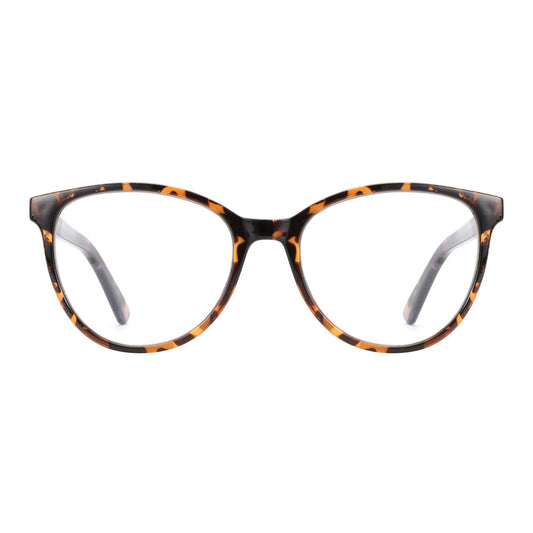
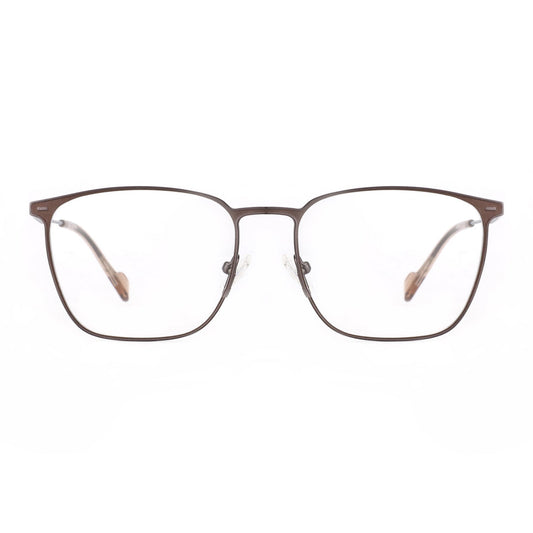
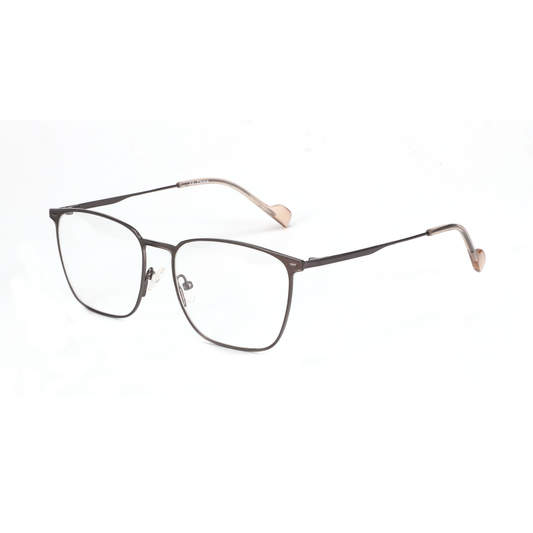
A new frame changes how eyewear rests on your face, and general frame comfort plays a key role in the overall wearing experience. Two frames can even weigh the same and still feel different, which our article on frame weight distribution explains in more detail. If you want to know what a good fit generally looks like, our glasses fit guide covers how glasses should sit.

A different feel is not automatic proof that something is wrong. Sometimes a new frame just feels new. Still, if the frame keeps pressing, slipping, or sitting unevenly, that's a physical fit concern worth having checked. Discomfort in one specific spot, like pressure behind your ears, can help you describe exactly what you're feeling.
How can lens positioning affect what you see?
Lens position can change what you see because the power your eye actually experiences depends partly on where the lens sits. Written lens powers and the lens's position in front of your eyes are two different things.
According to the Vision Council guide, when people have visual complaints with new glasses, poor measurements or lens positioning can contribute to visual complaints. Measurements here mean the frame and face measurements used to place each lens so it lines up correctly with your eyes. Getting that positioning right depends on the specific frame you're wearing.
Two positioning factors are worth knowing by name:
- Vertex distance. This is the distance between the back of the lens and your eye. National Academy of Opticianry course material explains that these distances and positions generally change when new eyewear is made, and that shifts in lens-to-eye distance affect effective power you perceive through the glasses.
- Lens tilt. The same course material notes that when a lens is tilted too much, either vertically or horizontally, its spherical power changes and cylinder power is induced.
In plain terms, a frame that holds the lenses closer, farther, or at a different angle can change how the same written powers come across. That's a possible contributor, not a diagnosis. Your new pair could feel different for another reason, and only an in-person check can sort that out. If your question is specifically about vertex distance and high prescriptions, our separate guide goes deeper. If straight lines look slanted, our guide on checking cylinder axis orientation covers that specific symptom.
What should you do if the difference persists?
If the difference doesn't go away or it affects clear, comfortable vision, have a professional look at both the frame and the lenses. Use this path:
- Name the type of difference. Tell the professional whether it's mainly physical, like how the frame sits or feels, or mainly visual, like blur or things looking off. If you still have your old pair, bring it so the two can be compared.
- Ask for a fit and lens-position check. An optician or other eyewear professional can assess frame comfort and glasses lens alignment on your face. Treat this as a check, not a guaranteed fix.
- See an eye doctor for vision that stays out of focus. The National Eye Institute advises seeing an eye doctor when vision remains out of focus while wearing glasses. Don't treat ongoing blur as something to simply wait out.
- Reach out to us if your pair came from our store. You can contact our support team with your order details and a short description of what feels different.
FAQs
Does an unchanged prescription mean my new lenses sit the same way?
No. A prescription specifies lens powers, not the exact position of the lenses in a particular frame. When a new pair is made, lens-to-eye distance and lens angle can change. Matching numbers on paper don't confirm that the new lenses are placed the way your old ones were.
Is an optician or an eye doctor the right person to see?
It depends on the concern. The National Eye Institute explains that opticians aren't doctors, but they use your prescription to set you up with the right glasses. That makes them a good fit for frame comfort and lens-position questions. If your vision stays out of focus even with your glasses on, an eye doctor is the right next step.
Can I just wait for blurry new glasses to settle?
The guidance used here doesn't set a standard waiting period for new glasses. Vision that remains out of focus while you wear your glasses is a reason to contact an eye doctor rather than keep waiting. A frame or lens-position check may help, but it doesn't replace that eye-care follow-up.
