



How to Relieve Glasses Pressure Behind Your Ears
If your glasses hurt behind your ears, first pinpoint where the pressure starts: at the hinge, along the side of your head, or at the temple tip behind the ear. Temple length, frame width, hinge movement, and alignment can each create a different sensation. Inspect the pair conservatively, avoid forcing or heating it, and arrange an optician's adjustment if discomfort persists or the frame is damaged. If you are comparing a replacement, use the pressure point and a pair that already fits well as your starting reference.

Why Glasses Hurt Behind Your Ears
Behind-ear pressure is usually a fit issue, not a diagnosis. Painful pressure at the temples can mean the sides are too tight or poorly fitted, so identifying the contact point gives an optician a more useful description of the problem. ZEISS's fit guidance provides background context; no single frame measurement proves what will feel comfortable for every wearer.
Temple Length and Behind-Ear Contact
Temple length affects where the arm's tip rests after the frame is positioned on your face. If the tip ends before reaching a natural resting point, presses at an unusual angle, or concentrates contact in one small area, the temple length or curve may be part of the fit problem. That observation is a clue, not proof that a particular length will fit everyone.
Compare both sides in a mirror. Note whether the pressure starts only after wearing the pair for a while, whether one temple feels worse, and whether the tip touches behind the ear or the side of your head first. This is the practical meaning of checking temple length and glasses fit: connect the printed dimension with actual contact rather than relying on the number alone.

Frame Width and Hinge Tension
A frame can press inward even when the temple tips are not obviously too short. Consider frame width, hinge resistance, and temple alignment separately.
| Fit factor | What you may notice | What to observe | Safer next action |
|---|---|---|---|
| Frame width | Steady pressure along both sides of the head | Whether the front sits level or appears to press inward | Ask an optician to assess the width and alignment |
| Hinge movement | Resistance when the temples open, or uneven pressure near the hinge | Whether one side moves differently or feels stiff | Stop forcing it and request a professional inspection |
| Temple alignment | Pressure on one side, a tilted frame, or a temple tip touching at an odd angle | Side-to-side height and contact differences | Document the uneven point before adjustment |
| Temple-tip contact | A small, sore contact area behind one ear | Whether the tip digs in or shifts when you move | Treat it as a fit clue, not a reason to bend the frame yourself |
Use this matrix to describe the problem rather than diagnose it. If one hinge feels stiffer or moves differently from the other, stop forcing the temples and ask an optician to inspect the alignment.
Safe Checks Before You Adjust the Frames
Before attempting any change, inspect the frame while it is clean and positioned normally. A short mirror check can reveal whether temple pressure from glasses comes from contact, tilt, or timing. Keep home checks observational and reversible; a resistant or damaged pair is better handled by an optician or qualified eye-care professional.
- Position the glasses normally. Do not push the frame unusually high, low, or far back just to make it look level.
- Check the front. Look for a tilt, a noticeably higher lens, or a frame that shifts when you relax your facial muscles.
- Compare both temples. Notice whether the arms sit at similar heights and whether one side presses more firmly.
- Locate the first contact. Is the pressure at the hinge, along the side of your head, or at the temple tip behind the ear?
- Check timing. Record whether discomfort starts immediately or builds during work, reading, commuting, or screen time.
- Write down the details. Note the painful side, the contact location, and any visible damage so a professional can assess the fit more efficiently.
Do not treat a level-looking frame as proof of a good fit. A pair may appear straight while still concentrating pressure at one temple tip.
Small Changes Versus Unsafe Bending
Keep at-home checks limited to cleaning the frame, looking for loose or damaged parts, comparing both sides, and identifying the exact pressure point. Behind-ear pain often requires a precise temple adjustment, so avoid heating or reshaping a resistant frame yourself.
Leave these actions to an optician or another qualified professional:
- Forcing cold plastic or a stiff hinge
- Twisting the front of the frame
- Bending near a lens or applying leverage to the temple
- Heating the frame or guessing at a safe temperature
- Continuing after creaking, cracking, resistance, or worsening alignment
There is no universal home temperature, force limit, or bend angle that applies safely to every frame. If the frame resists, stop before a fit issue becomes frame or lens damage. When a basic inspection does not reveal the cause, ask an optician to assess the frame width, temple alignment, and pressure point.
Temporary Ways to Reduce Ear Pressure
Temporary relief can give you time to arrange a better fit, but it cannot repair a frame that is too narrow, short, damaged, or misaligned. If you are looking for how to stop glasses from hurting behind your ears, focus on reducing repeated irritation rather than making the pair stay on at any cost. Brief breaks and avoiding repeated repositioning may help some wearers, but they are not a fitting solution.
- Take brief breaks from the pair when your task allows, especially if discomfort is building rather than appearing only at first contact.
- Avoid repeatedly pushing the glasses forward, backward, or higher. Repositioning can shift pressure without solving its source.
- Keep the frame and skin clean and dry. Do not apply products over broken or irritated skin without appropriate professional advice.
- Treat padding, tape, or aftermarket accessories as temporary experiments, not fixes. Stop using any accessory that shifts your vision position, makes the frame unstable, or moves pressure to another sore spot.
- If the glasses are needed for a task and remain painful, switch to a suitable backup pair when available rather than normalizing the discomfort.
A lightweight material, flexible temple, or accessory may feel different, but none guarantees relief for every wearer. If short breaks do not prevent recurring pressure, move to a fit check instead of extending painful wear.
Frame Features to Compare When Ear Pressure Is a Concern
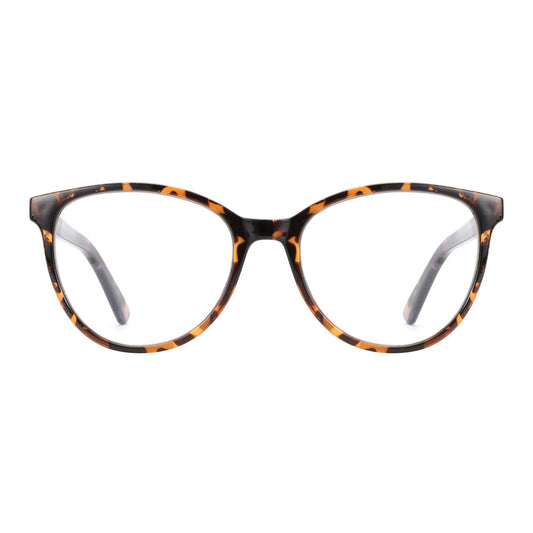
When shopping for frames that reduce ear pressure, use a known-good pair as your starting profile. Compare dimensions and construction, then verify contact comfort, alignment, return terms, and access to professional adjustment. Online measurements narrow the search; they do not confirm personal comfort.
| Listed detail | Question it can help answer | Limitation when used alone |
|---|---|---|
| Frame width | Is the new front likely to be broadly similar to a pair that fits well? | It does not show how the frame will sit on your head or distribute pressure. |
| Lens width | Is the overall lens scale close to the known-good pair? | Lens size is only one part of the complete frame fit. |
| Bridge measurement | Might the front sit at a similar position on your face? | It cannot predict temple-tip contact behind your ears. |
| Temple length | Is the arm dimension in the same general range as the comfortable pair? | The curve, angle, hinge placement, and tip shape still affect contact. |
Dimensions to Compare Before Ordering
Use the dimensions of a pair that already works as a shortlist tool, not a comfort guarantee. Frame width, lens width, bridge measurement, and temple length are starting points; they cannot predict every contact point or guarantee comfort.
If you are ready to compare options, you can browse eyeglass frames, then check the full size information and return or exchange terms before ordering.
Temple Tips, Materials, and Contact Points
Look closely at product photos and, when possible, try the frame on before committing. Check for:
- A smooth temple tip without an edge that appears likely to concentrate contact
- A shape that rests behind the ear without digging into one small spot
- Similar temple placement on both sides when the frame is worn normally
- Hinge movement that feels even rather than stiff or noticeably different side to side
- Material, weight, and flexibility that feel acceptable during your usual wear time
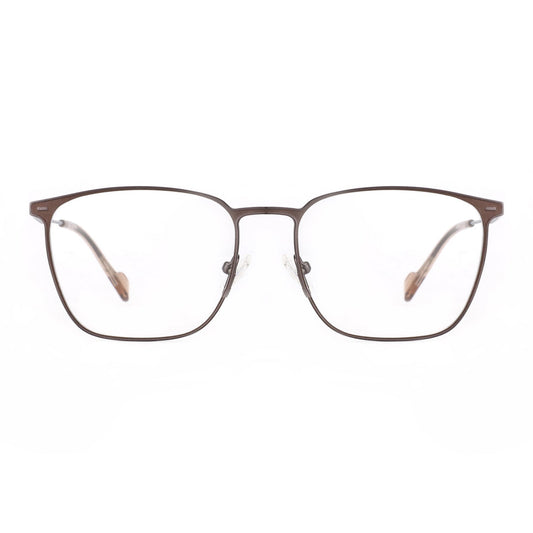
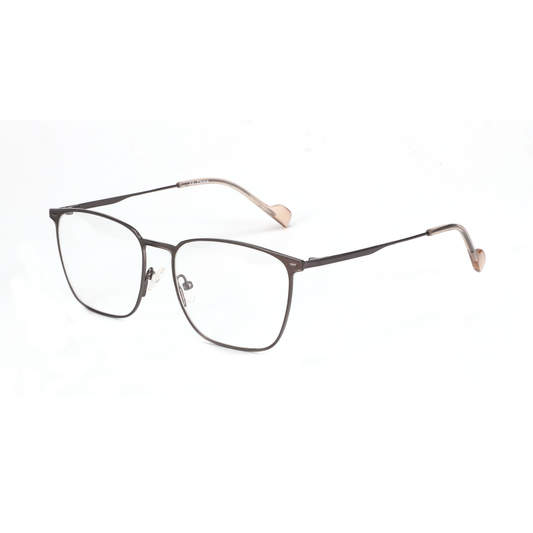
Material and flexibility affect how a frame feels, but they are not universal solutions. A flexible hinge may allow more temple movement, but it cannot override an unsuitable frame width, short temple, poor alignment, or uncomfortable tip shape. Likewise, thin or lightweight metal may appeal to some shoppers without reducing pressure for everyone; these lightweight metal frame ideas are comparison context, not a promise.
A Buyer's Fit Decision
Use this order when comparing a replacement:
- Start with a pair that already feels acceptable and record its listed dimensions and contact feel.
- Shortlist frames with a similar overall fit profile, while remembering that similar numbers can still wear differently.
- Inspect temple-tip photos, edges, hinge placement, and available size options.
- Check whether the frame stays level and stable during your normal activities, not just during a quick try-on.
- Confirm return or exchange terms and whether professional adjustment is available before you place the order.
- Choose style only after the fit path is workable. If no option meets the contact and return checks, keep looking rather than forcing a near match.
Know When to Stop Wearing the Pair
Do not treat persistent pain or skin damage as a normal break-in period. Stop wearing the glasses if discomfort continues, irritation worsens, or the frame is damaged. Ask an optician or qualified eye-care professional to inspect the fit before wearing them again.
Stop and arrange a professional check if you notice:
- Pain that persists instead of easing when the glasses are removed
- Skin irritation, broken skin, or recurring sore marks behind the ear
- Worsening discomfort or a new fit problem after an attempted adjustment
- A cracked, creaking, bent, or otherwise damaged frame
- A stiff hinge or resistance that makes you want to apply more force
- Pressure that repeatedly returns during ordinary wear, even after cleaning and repositioning
Before the appointment or retailer contact, document the pressure location, the painful side, when it begins, and the dimensions of a pair that fits better. If replacement is appropriate, use those notes to compare frame measurements and review the retailer's adjustment, return, or exchange path. A new purchase is not automatically required; the next step may simply be a professional adjustment.
FAQs
These questions address symptom patterns, frame features, and next steps that the troubleshooting flow does not settle on its own.
Can Glasses Cause Headaches Behind the Ears?
Poorly fitted or overly tight glasses may contribute to discomfort for some wearers, but a headache should not automatically be blamed on the frame. If headaches are severe, new, persistent, or worsening, stop treating the issue as a simple fit problem and seek appropriate medical or eye-care advice rather than continuing to adjust the glasses.
How Do I Know If My Glasses Temples Are Too Short?
The temples may be too short if their tips end at an awkward angle or create concentrated pressure behind your ears. Compare them with a comfortable pair, then ask an optician to confirm the fit before replacing the frame.
Should Glasses Leave Marks Behind the Ears?
A faint temporary impression is different from a recurring, painful, deep, or irritated mark. If the mark remains after removing the glasses or keeps returning during ordinary wear, reduce contact time and arrange a fit check. Do not cover damaged skin with an accessory and continue wearing a pair that is still rubbing it.
Do Flexible Hinges Always Make Glasses More Comfortable?
No. Flexible hinges allow more outward movement, but they cannot correct an unsuitable frame width, temple length, alignment, or tip shape.
What Should I Do If New Glasses Hurt Behind My Ears?
Limit uncomfortable wear and avoid bending the new frame yourself, especially if it resists or affects lens alignment. Contact the retailer or dispensing professional promptly and ask about adjustment, return, or exchange options while the purchase is still within its applicable window. Keep the packaging and order details available for that conversation.
