



How to Build a Budget-Friendly Glasses Capsule Wardrobe
Building a budget-friendly glasses capsule wardrobe lets you rotate between a polished work pair, a versatile weekend style, and a reliable backup without exceeding $150–$300 total. Many style-conscious adults now treat eyewear as an accessory rather than a single medical necessity, and affordable online options make this practical in 2026.
A practical eyewear rotation can include a primary everyday pair plus a backup pair for emergencies or travel, according to Illinois state benefits guidance. This approach gives outfit flexibility while keeping costs under control when you choose frames and lenses thoughtfully.
Why a Glasses Wardrobe Makes Sense on a Budget
The idea of a glasses capsule wardrobe borrows from fashion principles: own fewer, higher-use items that cover most situations. For eyewear this means three purposeful pairs instead of one all-purpose frame that never quite fits every occasion. Professionals often need a serious look for video calls and meetings, while weekends call for bolder or more relaxed styles. A backup pair protects against loss, breakage, or travel mishaps.
Frame material affects comfort and durability, and options like titanium are commonly described as strong, lightweight, and corrosion-resistant by the American Academy of Ophthalmology. Plastic lenses are lighter and more flexible than glass and are less likely to shatter, per AAO guidance on eyeglasses. These material choices let you allocate spending wisely across your capsule.
Lower-quality frame or lens materials can break, scratch, or reduce visual quality more quickly than better-made options, as noted by Ohio State Health experts. The key is avoiding the cheapest possible option for your primary pair while using simpler materials for the backup.
How Many Pairs of Prescription Glasses Should You Own?
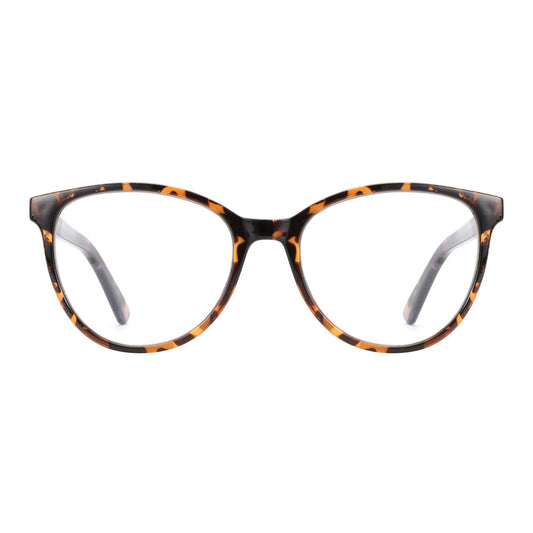
Three pairs form a functional minimum for most people: one for work or professional settings, one for casual or weekend wear, and one as backup. This rotation supports daily outfit changes without forcing you to buy ten different frames.
Choosing frames that fit face shape and lifestyle is a standard part of eyewear selection, according to UK Healthcare tips. An optician can help you narrow down frames that suit your face and day-to-day needs, as explained by University of Utah Health.
For many adults the question shifts from "how many pairs of prescription glasses should I own" to "which three will cover my actual life." If you commute, travel, or switch between office and outdoor activities, the backup pair quickly becomes essential rather than optional.
Budget Allocation Guide
The chart below gives a modeled budget guide for a 3-pair glasses capsule wardrobe. It shows one conservative way to split spending across a work pair, a weekend pair, and a backup/travel pair while staying within the $150-$300 total and the $50-$100 per-pair guideline.
Estimated Budget Guide for a 3-Pair Glasses Capsule Wardrobe
Modeled example for decision-making, not market statistics.
View chart data
| Category | Low-end estimate | Mid-range estimate | High-end estimate |
|---|---|---|---|
| Work / Professional | 60.0 | 85.0 | 100.0 |
| Weekend / Casual | 55.0 | 75.0 | 90.0 |
| Backup / Travel | 45.0 | 60.0 | 75.0 |
Illustrative budget model based on article thresholds: total capsule target $150-$300 and per-pair target $50-$100. The breakdown reflects typical cost pressure from lens coatings, frame material tradeoffs, and polycarbonate lens choices; it is a modeled example for decision-making, not sales data.
A 3-pair capsule total of $150–$300 keeps the wardrobe truly budget-friendly. Aim for roughly $50–$100 per pair, with the primary pair often taking the higher share for better materials and coatings.

Your 3-Pair Capsule Formula
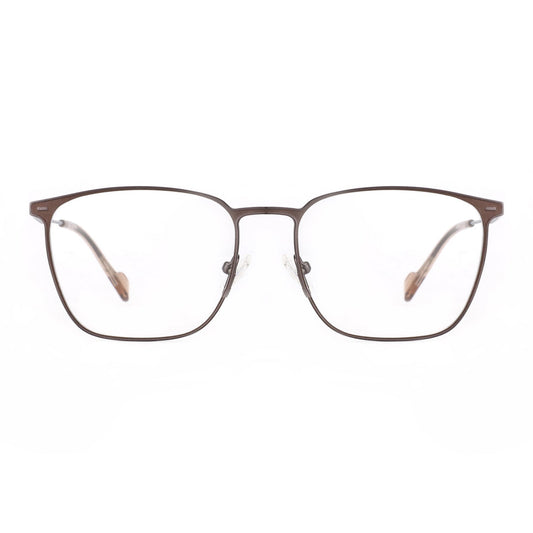
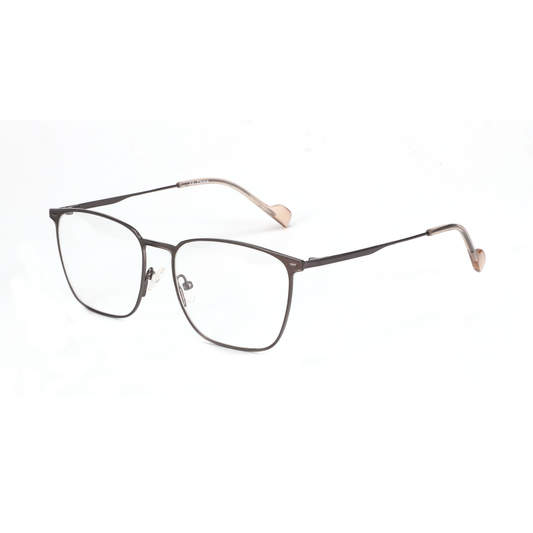
Work or Professional Pair: Choose a classic shape that matches your face shape and conveys polish. Metal or lightweight acetate frames often work well here. Invest slightly more in anti-reflective coatings and accurate pupillary distance measurement for all-day comfort during meetings and screen time.
Weekend or Casual Pair: This is where you can be bolder. Try a different color, shape, or material that complements casual outfits. Acetate frames frequently provide the style variety many seek, as compared in our Acetate vs. Metal Frames guide. This pair can use simpler lens options if it sees less intense daily use.
Backup or Travel Pair: Prioritize durability and low replacement cost. Impact-resistant polycarbonate lenses make sense here even if they scratch more easily than other materials. Keep this pair simple and inexpensive so losing or damaging it does not create financial stress.
Lens coatings can improve daily usability, but they may also increase cost, according to Consumer Reports. Reserve premium coatings primarily for your main pair.
Polycarbonate is lighter and more impact-resistant than CR-39, but it may scratch more easily, notes Consumer Reports eyewear advice.
How to Keep Costs Low Without Sacrificing Quality
Shop during sales or explore collections like Zenottic's flash sale and 20% off any lenses to stretch your budget. Many retailers including Zenottic offer affordable prescription glasses with quality lenses under $100 per pair.
If you buy glasses online, an accurate pupillary distance helps place the lens center correctly, according to The Eye Center. Measure carefully or use virtual try-on tools to reduce return rates that eat into savings.
Compare frame materials using resources like our Acetate vs. Metal Frames article. Metal often wins for lightness while acetate provides more color and style options.
Consider high-index lenses only for stronger prescriptions to keep thickness and weight manageable without unnecessary expense. Our guide on When Should You Invest in High-Index Lenses explains the tradeoffs clearly.
Common Pitfalls and How to Avoid Them
Many assume cheap prescription glasses will always look low-quality or feel uncomfortable. In reality, careful selection of reputable online retailers and proper measurements delivers respectable results for the price. The main risks come from skipping fit checks or choosing the absolute cheapest materials for your primary pair.
Treating all three pairs the same is another mistake. Your work pair deserves better lenses and coatings than the backup. Similarly, ignoring face shape leads to frames that slide or pinch, making even an inexpensive pair feel like a waste.
A glasses wardrobe is a practical way to organize frames for work, weekends, and backup use. It remains an editorial approach rather than a formal optical rule, so adapt it to your actual lifestyle.
How to Choose in Your Situation
Use this quick checklist before buying:
- Measure your pupillary distance and have a current prescription ready.
- Identify your two most common settings (office vs casual) and pick frames that suit each.
- Allocate budget with the primary pair receiving 40-50% of the total spend.
- Select lens materials based on use: clearer options for daily wear, tougher polycarbonate for backup.
- Check return policies and virtual try-on features.
- Verify frame fit for your face shape using style guides like How to Choose the Best Eyeglasses Frames for Your Face Shape.
The scenario matrix helps clarify when choices flip. For daily professional use, prioritize comfort and a face-flattering shape. For travel or rough handling, impact resistance matters more. Strong prescriptions favor investing first in a reliable primary pair before adding extras.
Caring for Your New Wardrobe
Proper care extends the life of every pair. Rinse frames with lukewarm water, use proper lens cleaners, and always store with lenses facing up. Our article on How to Scientifically Care for Your Glasses provides detailed science-backed habits that prevent scratches and misalignment.
Is Buying Multiple Glasses a Smart Strategy in 2026?
For most style-conscious adults, yes—when done with intention. A three-pair capsule provides flexibility, reduces the panic of a broken or lost pair, and lets you match eyewear to outfits. The strategy works best when total spending stays in the $150–$300 range and each pair serves a distinct purpose rather than duplicating the same style.
This approach may feel more comfortable and convenient across different situations, depending heavily on room conditions, device quality, and personal prescription needs. It does not replace professional eye care or constitute medical advice. If you experience persistent discomfort or have existing eye conditions, consult a qualified eye care professional.
Ready to start your capsule? Browse Zenottic's Eyeglasses collection or explore options for women and men. With thoughtful selection, multiple affordable pairs can become a smart part of your personal style rather than an expensive luxury.

