




Prescription Sunglasses UV400 vs Polarized: Do Dark Tints Automatically Block UV Rays?
A dark tint does not automatically mean your prescription sunglasses block UV rays. Tint darkness only reduces how much visible light reaches your eyes; it says nothing about whether the lens absorbs ultraviolet radiation. The specification that actually matters is a stated UV claim, such as "100% UV protection" or "UV absorption up to 400nm."
Does a Dark Tint Block UV Rays?
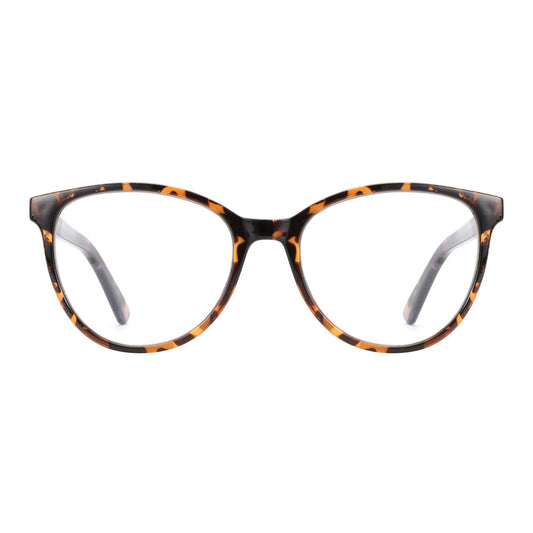
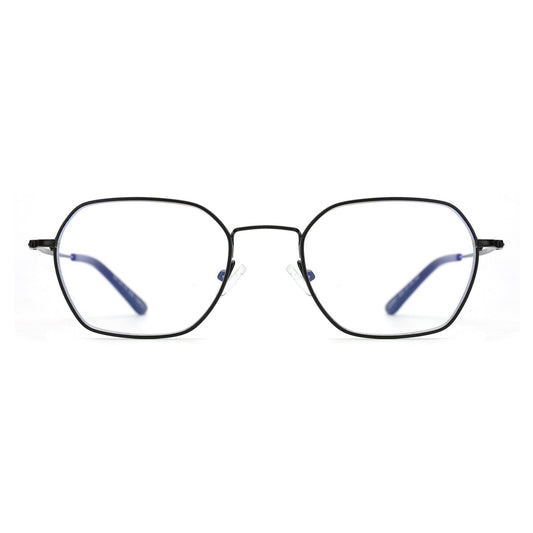
No. The color and darkness of a lens tell you nothing about its ability to block UV light. Even when ordering custom sunglasses prescription colour tint options, a very dark lens can transmit just as much UV radiation as a clear one, whereas a clear prescription lens can carry full UV protection if treated with UV-absorbing material.
For prescription sunglasses, the American Academy of Ophthalmology notes that lens color and degree of darkness do not indicate a lens's UV-blocking ability. The same guidance applies specifically to prescription lenses: UV blocking matters regardless of tint, since it doesn't matter what color or how dark your lenses are as long as they provide close to 100 percent UV protection.

This means the decision test is simple. Don't judge a pair of sunglasses by how dark they look. Judge them by whether the manufacturer states a UV specification, ideally near-complete UV absorption, on the lens, tag, or documentation.
UV400, Tint, and Polarization Describe Different Things
UV400 labeling, tint, and polarization each describe a different lens property, and none of them substitutes for another. A lens can have any combination of these features, so seeing one does not confirm the others.
A label reading "UV absorption up to 400nm" is a UV-protection specification. According to the American Academy of Ophthalmology, this phrasing is equivalent to 100 percent UV absorption, covering the UVA and UVB wavelengths that reach the eye. This is the number worth looking for on a spec sheet or lens tag, separate from anything about color or shade.
Polarization is a different feature entirely. It reduces reflected glare, such as the bright bounce off pavement, water, or snow, by filtering light waves traveling in a particular direction. The Academy is direct that polarization has nothing to do with UV absorption on its own. That doesn't mean the two features conflict. Many polarized lenses are manufactured with a UV-blocking material built in, so a polarized prescription lens can also carry a genuine UV specification. The two claims just have to be verified separately; one doesn't prove the other. If you're comparing polarized options, our polarized sunglasses guide walks through what polarization changes for glare and clarity, apart from UV absorption.
How to Verify an Unclear UV Claim
If your prescription sunglasses don't clearly state a UV specification, you have a practical path to confirm one before you rely on the lenses for sun protection.
- Check the lens tag, sticker, or manufacturer documentation first. Look specifically for a claim of "100% UV protection" or "UV absorption up to 400nm." The American Academy of Ophthalmology recommends looking for either of these labels before assuming any pair blocks UV light.
- If the paperwork or listing doesn't mention UV protection at all, contact the manufacturer or optical provider directly and ask for the lens's UV specification.
- If the specification still can't be confirmed, ask a local optical shop whether it can test the lenses for UV protection. The Academy notes this is an option some optical shops offer, though it's worth confirming availability with the shop first rather than assuming every location provides it.

Until one of these steps confirms a UV specification, treat tint darkness and polarization as unconfirmed evidence. If you are exploring lens types for varied lighting conditions, our photochromic vs. prescription sunglasses comparison outlines how different lens technologies perform. For general background on why UV blocking matters for eye health, see our overview of sunglasses and UV exposure.
FAQs
Does polarization mean sunglasses block UV?
No. Polarization reduces reflected glare, but it does not by itself confirm UV protection. Some polarized lenses are also built with a UV-blocking material, but that has to be checked separately, by looking for a stated UV specification like "100% UV protection" or "UV absorption up to 400nm," rather than assumed from polarization alone.
Can completely clear prescription lenses provide UV protection?
Yes. UV protection comes from specialized UV-absorbing chemicals integrated into the lens material or added as a surface treatment, not from tint or dark shading. Clear lenses can offer up to 100 percent UV protection when manufactured with UV-blocking properties.
What does a UV400 label mean on sunglasses?
A UV400 label indicates that the lenses block light wavelengths up to 400 nanometers. According to the American Academy of Ophthalmology, this is equivalent to 100 percent UV absorption, shielding your eyes from both UVA and UVB rays.
