


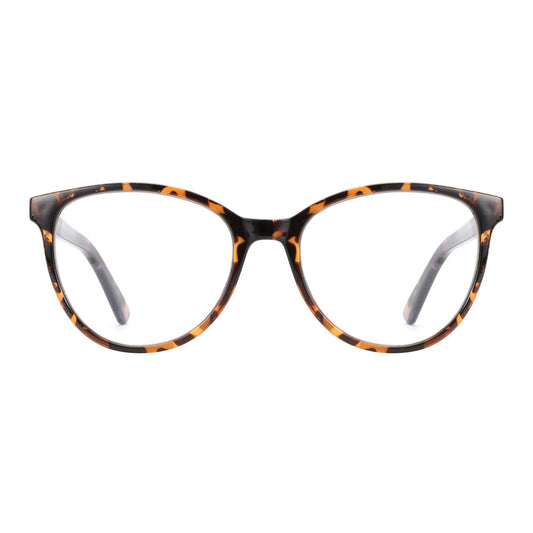

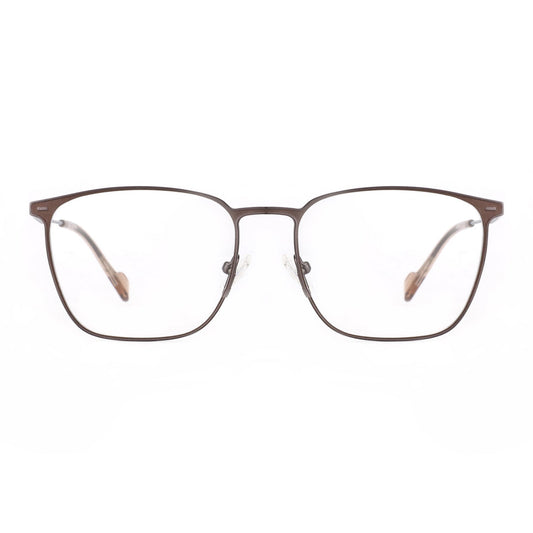
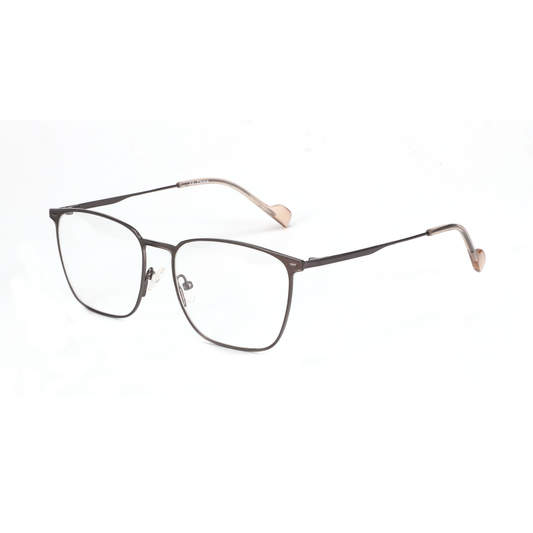
Ray-Ban Alternatives: Get the Classic Look for Under $50
Summary
Achieving the iconic Ray-Ban aesthetic without the designer markup is possible through "Optical Arbitrage"—the practice of purchasing high-quality frames directly from manufacturers who use the same materials and standards as luxury brands. By focusing on technical specifications like cellulose acetate construction, stainless steel barrel hinges, and ANSI Z80.3-compliant UV protection, you can secure classic Wayfarer, Clubmaster, or Aviator silhouettes for under $50.
Key takeaways
- Material Matters: Look for hand-polished cellulose acetate rather than injected plastic to ensure the rich depth and durability associated with premium eyewear.
- UV Protection is Standard: High-quality UV400 protection is a low-cost manufacturing standard; expensive logos do not necessarily equate to better eye safety.
- Optical Arbitrage: Direct-to-consumer models bypass the 800-1000% markups common in Luxottica-owned brands by shipping factory-direct.
- Fit is King: Use frame measurements (bridge width, temple length) rather than brand names to ensure a comfortable and stylish fit for your face shape.
Understanding the "Optical Arbitrage" Strategy
The eyewear industry has long been dominated by a few major players who control everything from design and manufacturing to retail distribution. This vertical integration often leads to significant price inflation, where consumers pay more for the logo on the temple than for the actual components of the glasses. In 2026, the concept of "Optical Arbitrage" has become the savvy shopper's secret weapon. It involves identifying the price delta between brand-name markups and the actual cost of high-end materials like Italian acetate and polarized lenses.
By choosing factory-direct models, you are essentially buying the same build quality found in $200+ frames but at a price point that reflects the manufacturing reality. This isn't about "knock-offs"; it's about choosing unbranded excellence. When you strip away the marketing budgets and licensing fees, a pair of well-constructed sunglasses often costs significantly less than $50 to produce, even with premium features.
Logic Summary: This strategy assumes that the reader values material quality and style over brand prestige. It applies to consumers looking for long-term durability without the "luxury tax" associated with designer labels.
How to Identify Quality in Affordable Alternatives
When searching for Ray-Ban alternatives, the most critical factor is the frame material. Most low-end "budget" glasses use injected plastic, which is brittle, lacks depth of color, and cannot be adjusted by an optician. In contrast, premium alternatives utilize cellulose acetate. This plant-based material is hand-polished, hypoallergenic, and features a wire core in the temples for easy adjustment.

Another hallmark of quality is the hinge construction. While cheap sunglasses often use plastic hinges that snap under pressure, quality alternatives feature stainless steel barrel hinges. These are often "riveted" through the frame, providing a level of structural integrity that allows the glasses to maintain their shape over years of daily use. For those with higher prescriptions, selecting the right frame is only half the battle. Our Technical Guide to High-Index Lens Materials and Standards provides a deep dive into the material science of high-index lenses, ensuring that even your most affordable frames perform at a professional level.
Technical Comparison: Lens Materials and UV Standards
It is a common misconception that more expensive sunglasses provide better UV protection. In reality, UV400 protection—which blocks 99-100% of UVA and UVB radiation—is a standard industry requirement (ANSI Z80.3) that costs manufacturers very little to implement. Whether you spend $15 or $500, the level of protection should be identical if the lenses meet these international standards.
| Feature | Designer Brand (Luxottica) | Zenottic Alternative |
|---|---|---|
| Frame Material | Cellulose Acetate | Cellulose Acetate |
| Hinge Type | 5-7 Barrel Steel | 3-5 Barrel Steel |
| UV Protection | 100% UVA/UVB (ANSI Z80.3) | 100% UVA/UVB (ANSI Z80.3) |
| Lens Options | Polarized / High-Index | Polarized / High-Index |
| Estimated Price | $160 - $250 | $25 - $45 |
Lenses come in various materials, each with its own trade-offs. While polycarbonate is highly impact-resistant and suitable for sports, CR-39 offers superior optical clarity for daily wear. Many of our urban style sunglasses utilize advanced polymers that balance weight and clarity. If you're wondering about the specific benefits of polarized lenses, they are essential for reducing glare from reflective surfaces like water or roads, a feature that is often an expensive add-on for designer brands but standard in many of our collections.

Finding the Right Fit: Frame Measurements
The most common reason people stick to brands like Ray-Ban is the familiarity of their sizing (e.g., the 50mm Wayfarer). However, every frame can be broken down into three key measurements: lens width, bridge width, and temple length. By understanding these numbers, you can find a perfect fit in any brand.
For instance, if you have a narrow face, you might struggle with standard "one size fits all" budget glasses. Learning tips for buying glasses online can help you navigate these measurements effectively. A bridge width that is too wide will cause the glasses to slide down your nose, while a temple length that is too short will cause discomfort behind the ears. Always check the inside of your current favorite pair for these three numbers (e.g., 52-18-145) to use as a benchmark.
Logic Summary: Proper fit is the primary driver of both comfort and aesthetic appeal. These heuristics are based on standard optical fitting practices and may vary slightly depending on individual facial asymmetry.
The Best Zenottic Alternatives for Iconic Styles
The Wayfarer Alternative: Timeless Versatility
The Wayfarer is perhaps the most recognizable sunglass shape in history. Its trapezoidal frame and thick temples suit almost every face shape. Our affordable prescription sunglasses often feature this classic silhouette in high-grade acetate, providing the same "heft" and premium feel as the original. Because these frames are acetate, they can be gently heated and adjusted to wrap perfectly around your head, preventing the "pinching" often felt with cheaper plastic versions.
The Clubmaster Alternative: The Intellectual Browline
The Clubmaster, or browline style, is defined by its bold upper frame and thin wire lower rims. This style is perfect for those looking to add structure to their face. When shopping for this look, pay close attention to the nose pads. Quality alternatives will use adjustable silicone pads rather than integrated plastic ones, allowing for a more customized fit. You can browse our sunglasses collection to find various iterations of this mid-century classic.
The Aviator Alternative: The Pilot's Choice
Originally designed for pilots in the 1930s, the Aviator remains a staple of cool. The key to a good Aviator alternative is the metal alloy used in the frame. Look for monel or stainless steel, which offer strength without being overly heavy. Our guide to choosing the best aviator sunglasses breaks down the different teardrop shapes and lens tints available to help you find the one that complements your features.
Quality Verification: How to Spot the Difference
How do you know if your $40 alternative is actually "high quality"? There are a few simple tests you can perform at home. First, the "Balance Test": open the temples and rest the glasses on a flat surface. They should sit perfectly level without wobbling. Second, the "Hinge Tension": the temples should open and close with a smooth, consistent resistance, not a loose "floppy" feel or a gritty "catch."
Finally, verify the UV protection. While you can't see UV rays, you can look for the ANSI Z80.3 or ISO 12312-1 stamps on the inner temple. These indicate that the manufacturer has met international safety standards for light transmission and UV blocking. In the world of 2026 eyewear, transparency is the new luxury.
FAQ
Are affordable sunglasses as safe for my eyes as expensive ones? Yes, provided they meet the ANSI Z80.3 or ISO 12312-1 standards for UV protection. These standards ensure that the lenses block at least 99% of harmful UVA and UVB rays, which is the primary function of sunglasses regardless of the price tag. Many budget-friendly brands use the same lens manufacturers as high-end designers, meaning the optical safety is often identical.
What is the difference between injected plastic and cellulose acetate? Injected plastic is made by melting plastic pellets and injecting them into a mold, resulting in a frame that is often brittle and cannot be adjusted. Cellulose acetate is a plant-based material that is cut from solid blocks, allowing for deep, layered colors and a hand-polished finish. Acetate is also hypoallergenic and features a wire core that allows an optician to custom-fit the frames to your face.
How can I tell if a pair of sunglasses will fit me before I buy them online? The most reliable method is to check the measurements of a pair of glasses you already own, which are usually printed on the inside of the temple. These three numbers (lens width, bridge width, and temple length) provide a blueprint for your ideal fit. Additionally, many online retailers offer virtual try-on tools that use your camera to overlay the frames on your face in real-time.
Do I really need polarized lenses? Polarized lenses are highly recommended if you spend a lot of time near water, snow, or driving, as they specifically filter out horizontal light waves that cause glare. While they can make it harder to see some digital screens (like older car dashboards or some smartphones), the reduction in eye strain and improvement in visual contrast are significant benefits for most outdoor activities.
How long should a $50 pair of sunglasses last? With proper care, a pair of acetate sunglasses with stainless steel hinges can last several years. The most common points of failure are the hinges and lens scratches. By using a hard case and cleaning your lenses with a microfiber cloth instead of your shirt, you can maximize the lifespan of your eyewear. Quality alternatives are designed to be durable enough for daily wear, not just a single season.
Can I put prescription lenses in affordable Ray-Ban alternatives? Absolutely, as long as the frames are "optical grade," which most acetate frames are. This means the frame is sturdy enough to hold a prescription lens and can be adjusted to accommodate the weight and thickness of the glass or polymer. Many online shops offer the option to add your prescription directly during the checkout process, making it a one-stop-shop for affordable vision correction.
References
Government / Standards / Regulators
- ANSI Z80.3-2018: American National Standard for Ophthalmics - Nonprescription Sunglasses and Fashion Eyewear Requirements
- ISO 12312-1:2022: Eye and face protection — Sunglasses and related eyewear
Platform official docs & policies
Industry associations / research institutes / market reports
- The Vision Council: Consumer Reports on Eyewear Trends and Usage
- Optical Arbitrage: A Study on Eyewear Supply Chain Dynamics (2025 Industry Report)
