



Best Glasses Frame Colors to Enhance Your Eye Color
Choosing the right eyewear is about more than vision correction; it is an opportunity to highlight your natural features. The material of your frames plays a significant role in how light interacts with your face. By choosing the right colors, you can make your eyes appear brighter and more defined. This guide explains how to use color theory and material science to select frames that perfectly complement your eye color and personal style.

Why Do Acetate Eyewear Frames Offer the Best Color Options?
When it comes to color depth and variety, acetate eyewear frames are widely considered the industry standard. Unlike traditional plastic frames, which are injection-molded and spray-painted, acetate is a plant-based material derived from cotton and wood pulp. This unique composition allows for a manufacturing process that creates rich, multi-layered colors that do not fade or peel over time.
Understand the Sheet-Cutting Process
The primary reason acetate eyewear frames look superior is the way they are made. Manufacturers create large blocks of colored acetate, which are then sliced into thin sheets. Designers can layer different colors together to create complex patterns like tortoiseshell or marble. Because the color is embedded throughout the material rather than just on the surface, the frames maintain their vibrancy even after years of daily wear. If you scratch an acetate frame, the color underneath remains identical to the surface.
Benefit from Hypoallergenic Properties and Luster
Acetate is a natural material, making it hypoallergenic and safe for individuals with sensitive skin. Beyond safety, the material has a natural luster that mimics organic substances like horn or shell. This "inner glow" helps reflect light toward your eyes, making them look more alert. When you invest in high-quality acetate eyewear frames, you are choosing a material that balances aesthetic depth with a skin-friendly finish that remains comfortable during long periods of use.
Appreciate the Durability and Adjustability
While color is the main attraction, the structural benefits of acetate are equally important. Acetate is more flexible than standard plastics, allowing it to withstand pressure without snapping. Furthermore, opticians can easily heat and adjust these frames to fit the specific contours of your face. This ensures that the colored frames sit perfectly aligned with your eyes, maximizing the color-enhancing effect you are trying to achieve.
What Are the Best Glasses Frame Colors for Brown Eyes?
Brown eyes are incredibly versatile because they contain a mix of different pigment undertones. Depending on the lighting, brown eyes can appear almost black, deep chocolate, or a warm honey-amber. Finding the best glasses frame colors for brown eyes involves choosing shades that either provide a sharp contrast or harmonize with these warm undertones.
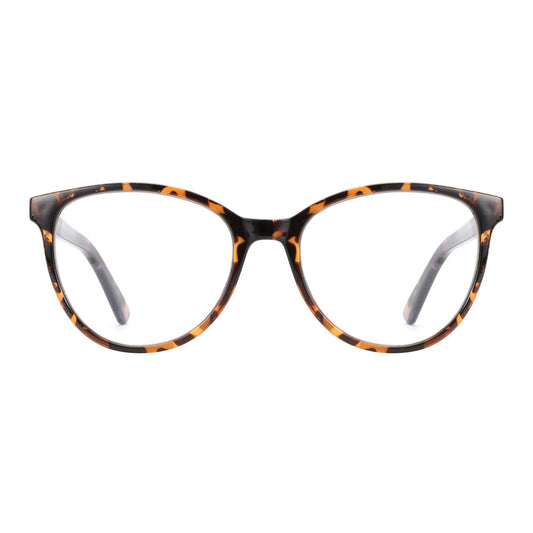
For very dark brown eyes, the goal is often to provide a frame that adds definition without getting "lost" in the darkness of the eye. Black frames provide a classic, bold look, but deep olive greens and rich navies can offer a more nuanced contrast. If you want to soften your look, a dark tortoiseshell acetate frame works beautifully, as the amber flecks in the pattern mirror the subtle lighter tones inside your iris.
Light brown or honey eyes often have golden or reddish glints. To make these "pop," consider purples, plums, and lavenders. Because purple sits opposite yellow/gold on the color wheel, it provides a striking contrast that makes honey eyes look exceptionally bright. Alternatively, choosing a warm terracotta or burnt orange frame can emphasize the natural warmth of your gaze, creating a soft and inviting aesthetic.
Highlight Blue, Green, and Hazel Eyes with the Right Frames
Light-colored eyes require specific frame hues to prevent the face from looking washed out. The goal with blue, green, or hazel eyes is to use the frames as a "border" that draws attention inward toward the iris.
Brighten Blue Eyes with Warm Earth Tones
Blue eyes are naturally cool, so they benefit greatly from frames in warm, earthy colors. Copper, terracotta, and warm browns provide a stunning contrast that makes the blue appear more vivid. If you prefer to stay within a cool palette, choosing a dark navy or a slate grey frame can deepen the blue of your eyes through an analogous color scheme. Avoid very light blue frames, as these can compete with your natural eye color and make them appear duller.
Make Green Eyes Stand Out with Red Undertones
Green is one of the rarest eye colors, and it is best highlighted by colors that sit opposite it on the color wheel. While you might not want bright red glasses, shades with red undertones—such as burgundy, maroon, or pinkish-reds—are highly effective. These colors create a visual tension that forces the green of the eyes to "pop." For a more subtle approach, a dark chocolate brown with reddish flecks can achieve a similar effect while remaining more neutral for everyday wear.
Define Hazel Eyes with Versatile Palettes
Hazel eyes are unique because they often change color based on the environment and contain a mix of green, gold, and brown. To bring out the green in hazel eyes, choose olive or forest green frames. To emphasize the golden-brown tones, opt for amber or gold-toned acetate frames for glasses. Because hazel eyes are so dynamic, many users find that translucent "crystal" frames work well, as they allow the natural, shifting eye colors to shine through without distraction.
Select Frames for Rare Grey and Amber Eyes
Grey and amber eyes are less common but offer incredible opportunities for unique styling. These eye colors are sensitive to surrounding hues, meaning the right frame can completely change how they are perceived.
Grey eyes are often described as "cool" and can shift between blue and silver. To highlight the icy clarity of grey eyes, choose frames in deep blue, midnight black, or cool-toned purples. Avoid yellow or orange-based frames, as these can make grey eyes appear washed out or sallow. For a sophisticated look, a silver-toned metal or a translucent grey acetate frame can enhance the "steely" nature of the iris, creating a modern and clean aesthetic.
Amber eyes possess a distinct yellowish-gold or copper tint. To enhance this rare color, look for frames in deep emerald green, royal blue, or rich charcoal grey. These dark, cool colors provide a background that makes the golden glow of the eyes stand out. If you prefer a monochromatic look, warm metallic frames or deep mahogany acetate frames for glasses can harmonize with the golden pigments, creating a luxurious and warm appearance.
How to Match Glasses to Skin Tone and Hair Color?
While eye color is a primary factor, you must also consider how to match glasses to skin tone to ensure the frames do not clash with your complexion. A frame that looks great with your eyes might make your skin look sallow or overly flushed if the undertones do not align.
The first step in how to match glasses to skin tone is determining if you have a warm, cool, or neutral undertone. You can check the veins on your wrist; blue or purple veins usually indicate a cool undertone, while green veins suggest a warm undertone. Cool skin tones look best with "icy" colors like silver, black, dark tortoiseshell, blue, and purple. Warm skin tones are complemented by "earthy" colors like gold, beige, orange, camel, and warm greens.
Your hair acts as a frame for both your face and your glasses, so coordination is essential. If you have blonde hair with cool undertones, black or blue frames provide a striking look. For warm blondes, bronze or honey-colored acetate frames for glasses are ideal. Brunettes have the most flexibility, though dark frames can sometimes look too heavy on those with very dark hair; in these cases, a rich burgundy or navy can provide needed contrast. Redheads should look for greens and warm browns, while those with grey or white hair look exceptional in vibrant jewel tones or classic black.
Select High Quality Acetate Sunglasses for Outdoor Brilliance
Sunlight changes the way we perceive color, making outdoor eyewear choices just as important as your daily spectacles. When choosing high quality acetate sunglasses, you need to consider how the tint of the lens interacts with the frame color and your natural features.

Prioritize Material Density for Sun Protection
Acetate is an ideal material for sunglasses because it is dense enough to hold large, heavy lenses without warping. High quality acetate sunglasses provide the structural integrity needed for oversized styles, which offer more protection for the delicate skin around your eyes. Because the material is so stable, it maintains a consistent fit even when exposed to the heat of a summer day, ensuring your eyes are always perfectly centered behind the protective filters.
Balance Bold Frames with Lens Tints
When selecting sunglasses, the lens tint should complement the frame color. For example, a brown tortoiseshell frame paired with a brown gradient lens is a classic combination that enhances brown and hazel eyes. For blue eyes, a grey or blue lens in a black or silver-toned acetate frame creates a cool, modern aesthetic. High-quality brands often use polarized lenses in their high quality acetate sunglasses to reduce glare, which further helps in making your natural eye color look clear and vibrant in bright light.
Explore Different Acetate Frames for Glasses Today
The variety of acetate frames for glasses available today means there is a shape and color for every face. Modern designers are constantly pushing the boundaries of what this material can do, offering everything from ultra-thin minimalist designs to thick, architectural statement pieces.
Find the Right Shape for Your Face
The shape of your acetate frames for glasses should contrast with the shape of your face. If you have a round face, look for rectangular or square frames to add definition. If your face is more angular or square, round or oval frames can help soften your features. Because acetate is so easy to work with, you can find these shapes in an endless array of colors, allowing you to match both your structural needs and your color preferences in a single pair of glasses.
Experiment with Translucent and Matte Finishes
Not all acetate frames for glasses have a high-gloss finish. Matte acetate offers a more contemporary, muted look that can be very flattering for those who find shiny frames too distracting. Translucent frames, often called "crystal" frames, are also highly popular. These frames pick up the colors of your skin and eyes, acting almost like a chameleon. They are an excellent choice if you want the comfort of acetate but prefer a look that is barely there.
Choose Eyewear That Flatters You
Selecting the perfect eyewear involves balancing aesthetics with material quality. By understanding how different hues interact with your eye color and skin tone, you can transform your glasses into a powerful fashion accessory. Whether you prefer vibrant tortoiseshell or modern transparent styles, the right color choice ensures your eyes remain the focal point of your face. Prioritize high-quality materials to enjoy a combination of comfort, durability, and exceptional style for years to come.
FAQs about acetate frames and style
Are acetate frames better for sensitive skin?
Yes, acetate is an excellent choice for sensitive skin. Because it is a plant-based material made from cotton and wood fibers, it is hypoallergenic. Unlike some cheap plastic or metal frames that contain nickel or harsh petroleum-based chemicals, acetate rarely causes skin irritation or rashes, even with prolonged daily wear.
Can I wear black frames with brown eyes?
Yes, you can certainly wear black frames with brown eyes. Black provides a very strong, graphic contrast that can make dark brown eyes look even deeper and more mysterious. However, if you find that solid black looks too "heavy" or harsh on your face, try a dark charcoal or a very dark navy to achieve a similar effect with a bit more softness.
Do acetate frames stretch over time?
Yes, acetate is a flexible material that can slightly adjust to the shape of your head over time. While this usually results in a more comfortable, custom fit, it can sometimes mean the frames feel a bit loose after several months. Fortunately, an optician can quickly and easily "heat-shrink" the frames back to their original tightness.
How do I find my skin tone for glasses?
The easiest way is the "wrist vein test." Look at the veins on the inside of your wrist in natural light. If they appear blue or purple, you have a cool skin tone. If they appear green, you have a warm skin tone. If you see a mix of both, you likely have a neutral skin tone and can wear almost any frame color successfully.

Why are acetate sunglasses more expensive than plastic ones?
The higher price reflects the more complex manufacturing process. Acetate is a premium material that requires labor-intensive cutting, tumbling, and hand-polishing. It is significantly more durable, holds its color better, and offers a more comfortable, adjustable fit than mass-produced, injection-molded plastic sunglasses.
