



Switching From Contacts to Glasses: What to Expect
Many people eventually decide to change their daily vision routines. Switching from contacts to glasses is a common transition that offers numerous health and practical advantages. Whether you want relief from dry eyes or simply desire a new look, this change requires a brief adjustment period. Understanding how your eyes and brain adapt to frames helps you navigate the process smoothly. This guide explains what to expect during this transition and highlights the main benefits of wearing glasses over contacts for your daily life.
Understand the Trend of Switching to Frames
Switching from contacts to glasses offers relief from daily eye irritation and provides a simple way to update your appearance.
Many long-term lens wearers experience dry eyes, redness, or general discomfort by the end of the day. This happens because the plastic material sits directly on the eye, restricting moisture and airflow. If you find yourself frequently using eye drops or removing your lenses early in the evening, your eyes are likely experiencing fatigue.
Beyond physical comfort, many people make the change for stylistic reasons. Frames offer a visible accessory that changes how your face looks. You can choose different shapes, colors, and materials to match different outfits or professional environments. This versatility makes prescription glasses a functional tool and a fashion statement at the same time.

Learn Why Your Prescriptions Look Different
When you decide to order new frames, you cannot rely on your old lens box. The contact lens vs glasses prescription numbers are frequently different due to how the physical lenses sit on your face.
The main reason for this difference is vertex distance. This refers to the physical space between your eye and the back of the lens. Contacts sit on the cornea, while frames sit on your nose. This small gap changes how light focuses on your retina. Because of this distance, the power needed to correct your vision changes.
Using the numbers from your lens box to order frames usually results in blurry vision. A contact lens vs glasses prescription often requires a different spherical power, and astigmatism measurements can vary significantly. You need a dedicated exam from an optometrist to get accurate numbers to order your prescription glasses.
Prepare for Your First Week of Visual Adjustments
It takes time for your visual system to get used to new lenses. Adjusting to new glasses involves a brief period where things might look slightly distorted as your brain recalibrates.
During the first days, you might notice straight lines curving at the edges of your vision, commonly referred to as the fishbowl effect. This peripheral distortion happens because the lens curves, and your eyes are no longer looking through the central optical point when glancing sideways. Turning your head to look at objects helps minimize this visual effect.
Your brain is used to receiving visual data from lenses resting directly on the eyes. When adjusting to new glasses, the brain must learn to process the slight magnification or reduction caused by the lenses sitting further away. It usually takes a few days for your brain to adapt and for your vision to feel highly natural again.
Get Used to the Physical Sensation of Frames
Wearing frames introduces new physical sensations to your face. Switching from contacts to glasses means you will feel weight on your nose and behind your ears throughout the day.
It is normal to feel highly aware of the frames resting on your face initially. The nose pads and temple arms apply slight pressure to keep the frames secure. Within a week or two, your skin and sensory nerves adapt to this constant contact, and you will largely stop noticing the physical presence of the frames.
Proper fit is essential for daily comfort. If your frames slide down your nose or pinch behind your ears, they require adjustment.
- Visit an optician to have the temple arms heated and bent to fit your specific head shape.
- Have the nose pads spaced correctly to distribute the weight evenly.
- Choose lightweight frame materials like titanium if you have a high prescription that requires thicker lenses.
Allow Your Eyes to Rest and Recover
One of the most significant benefits of wearing glasses over contacts is the immediate improvement in eye health. Removing plastic lenses from your eyes allows them to heal from daily friction.
Your corneas receive oxygen directly from the air rather than from blood vessels. Even highly breathable contacts reduce the amount of oxygen reaching the surface of your eyes. Wearing frames removes this physical barrier. This unrestricted airflow keeps the eyes moist, reduces redness, and promotes overall corneal health.
Touching your eyes daily to insert and remove lenses introduces bacteria, even with thorough hand washing. Scratches on the cornea are also a common issue. By relying on prescription glasses, you remove the need to touch your eyes. This lowers your risk of developing painful eye infections or corneal ulcers.

Discover Daily Conveniences and Time Savings
Frames simplify your daily routine significantly. The practical benefits of wearing glasses over contacts become obvious during busy mornings and late nights.
Lens care requires ongoing maintenance and recurring expenses.
- You have to buy liquid cleaning solutions regularly.
- You must frequently replace plastic storage cases.
- You have to carefully rub the lenses clean every night to remove protein deposits.
Frames only require a quick wipe with a microfiber cloth and some lens spray, saving you time and money.
Waking up with poor vision is frustrating. Instead of walking to the bathroom, washing your hands, and carefully placing lenses on your eyes, you simply reach for your nightstand. Putting on your frames provides instant clarity the moment you wake up, making your morning routine much faster and easier.
Add Digital Protection with Modern Lenses
Staring at screens for many hours often leads to visual fatigue. You can reduce eye strain from glasses by adding specialized coatings designed for digital screen use.
Modern lens technology allows you to add specific filters directly to the glass or plastic. Anti-blue light lens coatings filter out harsh light emitted by monitors, tablets, and smartphones. These coatings help soften the glare from digital screens, making long work sessions much more comfortable for your visual system.
While adjusting to new glasses, you might initially feel tired, but appropriate lenses eventually help your eyes relax. Adding an anti-reflective coating prevents screen glare from bouncing off your lenses into your eyes. This minimizes squinting and reduces eye strain from glasses during a standard eight-hour workday.
Use Your Eyewear to Complement Your Personal Style
Frames are a prominent facial feature that can enhance your appearance. Treating prescription glasses as a fashion accessory helps make the transition enjoyable and rewarding.
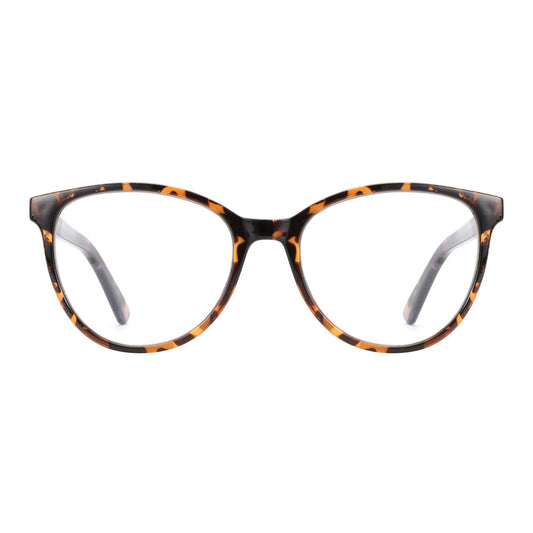
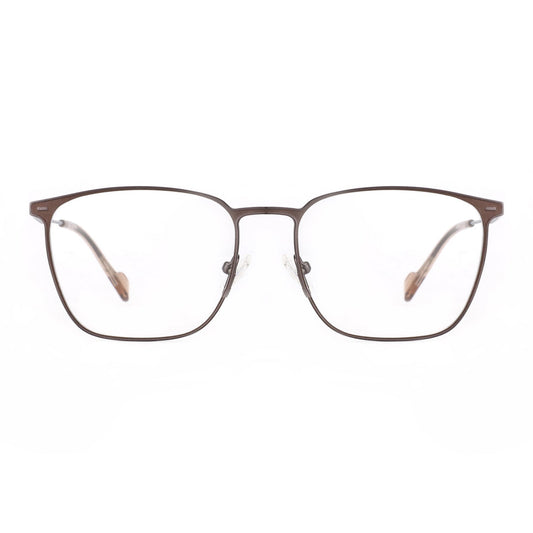
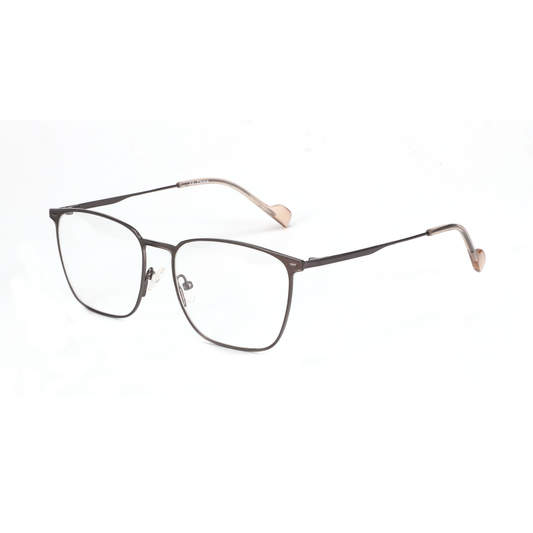
Different colors and materials convey different aspects of your personality. Thick acetate frames provide a bold, creative look, while thin metal wireframes offer a minimalist, professional appearance. Switching from contacts to glasses allows you to change your style instantly just by putting on a different pair of frames before leaving the house.
Finding a frame that balances your natural features provides a significant confidence boost. Round faces often look great with angular, rectangular frames that add structure. Square faces benefit from round or oval frames that soften the jawline. Meanwhile, heart-shaped faces pair well with frames that are wider at the bottom to balance the forehead.
Know When to Visit Your Eye Doctor for Help
While adaptation takes time, prolonged discomfort is unusual. Knowing the difference between standard adaptation and an incorrect contact lens vs glasses prescription prevents unnecessary pain.
Mild dizziness and slight distortion are common during the first few days. However, these symptoms should steadily improve each day. If your vision remains blurry after a week, or if you feel disoriented when walking, the optical center of the lenses might be measured incorrectly.
Experiencing mild eye strain from glasses is possible initially as your eye muscles adapt. Yet, severe or constant headaches are a clear sign that you need assistance.
- The prescription might be too strong for your daily viewing needs.
- The astigmatism angle could be slightly off.
- The frames might be sitting crooked on your face.
If headaches persist past the first week, schedule a follow-up appointment with your optometrist.
Conclusion
Switching from contacts to glasses is a beneficial choice for your eye health and daily convenience. While adjusting to new glasses takes a little patience, the long-term comfort is highly rewarding. Understanding how a contact lens vs glasses prescription differs ensures you get the correct vision support. From reducing eye strain from glasses with digital coatings to exploring new personal styles, the benefits of wearing glasses over contacts are substantial. Give your eyes time to adapt, and you will quickly enjoy the clarity and ease that frames provide.
