


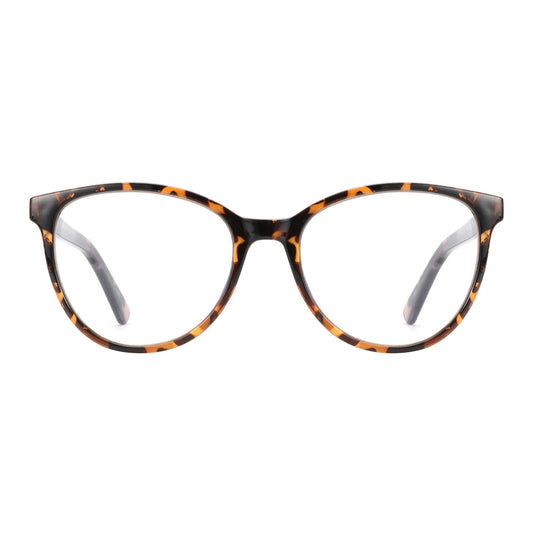

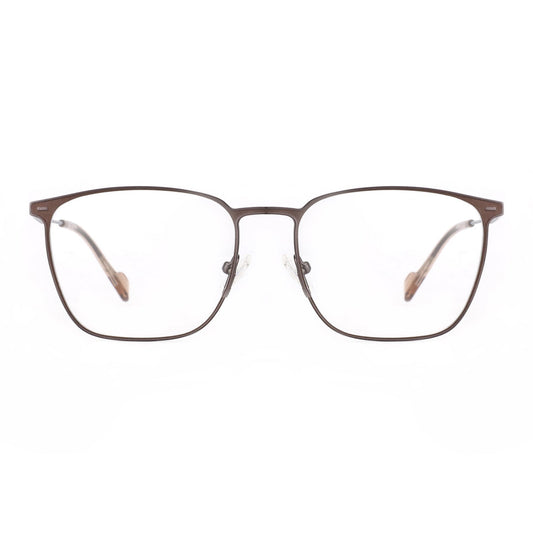
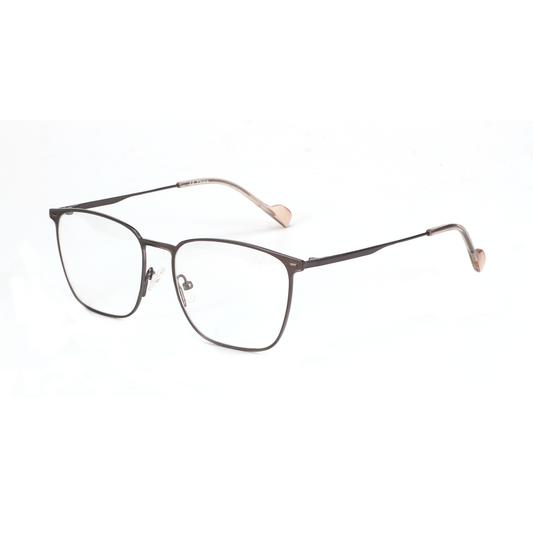
Child’s Glasses Keep Slipping: Fit Adjustment or Prescription Check?
If your child's glasses keep slipping but their vision seems fine, start with a fit check. If your child also says things look different or keeps complaining about their eyes, contact their eye-care provider as well. Slipping on its own doesn't prove the prescription has changed, and a frame tweak won't solve a vision complaint.
When both problems show up together, treat them as two separate jobs. Book the fit check and the eye-care conversation, and handle each question at its own visit.
Fit adjustment or prescription check? Start with what changed
The quickest way to decide is to ask what's actually new: the way the frame sits, the way your child sees, or both. Each answer points to a different next step.
- Only the frame moves. The glasses slide down the nose, tilt, or need pushing up, but your child isn't reporting any vision trouble. This is a children's glasses fit question. Ask an optician to check how the frame sits rather than assuming the movement means a prescription change.
- Your child reports vision changes or eye complaints. Maybe they say the board looks blurry, or they keep rubbing their eyes or saying they hurt. Contact your child's eye-care provider. American Academy of Pediatrics guidance says to tell your child's doctor about eye pain, itchiness, or discomfort your child reports.
- Both are happening. Get the frame looked at and raise the vision concern with the eye-care provider. Keep both on your list. A better fit won't tell you whether the lenses still match your child's needs, and an eye exam doesn't make a loose frame stay put.

The slipping can still matter in the vision branch. Write down when it happens so you can mention it at either appointment.
If the glasses slip on their own, ask about fit
When the glasses keep sliding and your child isn't reporting any vision changes, an optician is a good person to ask. According to the U.S. Bureau of Labor Statistics, opticians fit and adjust eyeglasses, and their duties include adjusting glasses for a precise fit. That makes a frame-fit assessment a sensible first step when slipping glasses come with no vision concern.
Before the visit, spend a day or two noticing the details so you have clear observations to share:
- Where it moves. Does the frame slide down the nose, ride up, or tip to one side?
- When it moves. Is it worse during recess, sports, reading, or when your child looks down at a desk?
- How it looks at rest. Does one lens sit higher than the other? Our guide on how to check frame alignment explains how to tell a bent frame apart from one that just sits unevenly on the face.
- What your child feels. Red marks or soreness behind the ears are worth mentioning too. Our article on glasses fit pressure covers which comfort checks are safe at home and when to stop DIY adjustments.
Bring the glasses, your notes, and your child if you can so the optician can see the frame on their face. Keep your expectations realistic: an adjustment may help, though no one can promise ahead of time that it will fully stop the slipping. Services and fees also vary from shop to shop, so call ahead and ask.
If the slipping mostly happens during active play, ask the optician about that use too. Our guide to kids glasses for sports covers frame durability and why a proper eye exam still matters for active kids.
Keep in mind that a fit assessment only covers how the frame sits, not whether the prescription is still right.
When vision changes or complaints persist, involve the eye-care provider
If your child tells you their vision has changed, or the same eye complaints keep coming back, contact their eye-care provider instead of relying on a frame adjustment alone. This matters even when the glasses are also slipping, since the slipping can be a separate fit issue.
A few reported symptoms come with clear pediatric guidance. If your child reports eye pain, itchiness, or discomfort, follow the American Academy of Pediatrics advice and let their doctor know, whatever the frames are doing.
Growth and time play a part too. University of Iowa Health Care notes that children's vision needs can change periodically, and that your child's eye doctor will recommend how often your child should be seen. If the last check was a while ago, or you aren't sure whether a follow-up is due, ask the provider's office about the schedule.
When you call, give clear details:
- What your child said. Use their own words when you can, such as "the TV looks fuzzy" or "my eyes hurt after reading."
- How long it has been going on. A one-off comment and a complaint that repeats over several days are different things to report.
- What the glasses are doing. Say whether they slip, sit crooked, or seem fine, and whether anyone has adjusted them recently.
If the frames also slip, book the fit check separately with an optician so one concern doesn't hide the other.
FAQs
Is it okay to bend my child's glasses back into shape at home?
Gentle comfort checks are fine. Look at how the frame sits, and see whether one side looks higher or tighter than the other. Reshaping the frame is different. Bending the temples or nose area can make the fit worse or damage the frame, so leave that to an optician, who fits and adjusts eyeglasses as part of the job.
What if my child just got new glasses and complains about eyestrain or double vision?
Treat this as a vision concern, not only a fit issue, and contact the eye-care provider or the place that made the glasses. Some adjustment time can be normal. Our guide on eyestrain with new glasses explains which symptoms to watch and when double vision may point to a lens or fit error.
What if an adjustment doesn't stop the slipping?
Go back to the optician and say the problem continued, including when it happens and what your child was doing. Ask whether the current frame can be fitted better or whether a different frame style would sit more securely. If you end up replacing the frame, you can compare kids glasses frames with the optician's feedback in mind, and keep your child's current prescription on hand.
How often should my child's eyes be checked even without complaints?
There isn't one schedule for every child. Your child's eye doctor recommends how often your child should be seen, based on their needs. If you're unsure when the next visit is due, call the office and ask.
