



The 2026 Ergonomic Eyewear Blueprint: Solving Slipping, Pinching, and Weight Issues
Solving the High-Prescription Comfort Gap
Finding eyewear that stays put, feels weightless after hours of wear, and plays nicely with over-ear headphones remains a top frustration for people with strong prescriptions. The good news is that targeted improvements in frame geometry, nose bridge design, temple construction, and lens material can meaningfully reduce slipping, pinching, and front-heavy fatigue—provided you match the solution to your specific face shape, prescription strength, and daily habits.
Related Eyewear Guides
- How to Stop Heavy High-Prescription Glasses from Sliding Down Your Nose
- The Best Frames for High Myopia and a Narrow Pupillary Distance (PD)
- The Best Frames for 1.74 Lenses to Minimize Edge Thickness
- Contact Lens Fatigue: Why High-Prescription Wearers Are Switching to 1.74 Glasses

This 2026 ergonomic eyewear blueprint translates the physics of fit and the practical lessons from user complaints into clear decision rules. You will learn when high-index lenses deliver real relief, how bridge and temple geometry prevent sliding or pressure, and the exact checkpoints to use before you buy so you stop guessing and start wearing glasses that finally feel secure.
Why Glasses Slide, Pinch, or Feel Heavy: The Core Physics
Glasses become uncomfortable when the frame’s contact points fail to distribute weight evenly or resist the forces of head movement, gravity, and added headgear. For strong prescriptions, thicker lenses shift the center of mass forward, increasing downward torque on the nose and requiring tighter temples that then press on the sides of the head. A mismatched nose bridge—especially on lower or narrower nasal profiles—reduces friction and allows the frame to slip with every nod or smile. Temple length and curvature that do not follow the contour of the head create localized pressure that becomes noticeable within an hour and turns painful when over-ear headphones add clamping force.
This PMC study on parametric eyewear design shows that comfort and stability are fundamentally geometry-dependent; poor alignment between frame and facial measurements almost always produces instability or pressure hotspots. Similarly, research on facial anthropometry highlights that a lower nasal bridge contributes directly to sliding when the frame is not designed for that shape.
How to Stop Glasses from Sliding Down Your Nose
The most reliable fix begins with bridge geometry rather than grip aids alone. Frames built for low-bridge or Asian-fit profiles position the nose pads lower and wider, lowering the center of gravity and increasing contact area. Adjustable silicone or soft-touch nose pads further allow fine-tuning of height, angle, and width so weight is distributed across the sides of the nose instead of the bridge crest.
For strong prescriptions, reducing lens thickness and overall frame weight is equally important. High-index lenses (1.67 or 1.74) make the front half of the glasses noticeably lighter, which reduces the tendency to slide. However, they are most useful when your prescription pushes standard lenses into visible thickness; they are not required for milder corrections. This technical guide to high-index lens materials explains the relationship between refractive index, thickness, and weight for higher diopter ranges.
Practical steps that work for most people include:
- Choosing frames with a low or adjustable bridge explicitly marketed for your facial structure
- Adding or replacing nose pads with larger, grippier silicone versions
- Selecting lightweight materials such as titanium or high-index lenses to lessen downward pull
- Ensuring the frame sits slightly higher on the nose than you might intuitively choose
If you have already tried these adjustments and still experience slippage during exercise or long workdays, the root cause is usually an incorrect frame size rather than a defective product.
Preventing Temple Pinch with Over-Ear Headphones
Over-ear headphones introduce sideways clamping force that compresses the temples of most standard glasses against the skull. The resulting pressure can cause headaches within 30–60 minutes. The solution lies in temple design: thinner, flexible, or low-profile temples that sit closer to the head or flex outward under pressure reduce interference.
Materials matter here. Titanium or memory-flex temples absorb some of the headphone clamp without transmitting it as a hard pinch. Rounded or beveled temple tips avoid digging into the area just in front of the ears. Some users also prefer semi-rimless or nylon frames because they eliminate the thick plastic edge that headphones press against.
Research on prolonged wear and frame tightness confirms that temple pressure near the ears becomes uncomfortable during extended use and can be exacerbated by additional headgear. Our companion guide No More Pinching: The Best Glasses to Wear With Over-Ear Headphones dives deeper into specific temple profiles that consistently work for gamers and professionals.
The Role of Lens Index and Frame Material in All-Day Comfort
For prescriptions of -6.00 D or stronger, lens thickness and weight become dominant factors in perceived comfort. Thinner high-index lenses reduce both edge and center thickness, lowering overall front weight and the forward torque that drives slipping. The authoritative internal resource on high-index materials notes that 1.74 index lenses can cut thickness dramatically in high prescriptions, but they also involve optical trade-offs such as slightly lower Abbe values that may increase chromatic aberration at the lens periphery for some wearers.
Frame material choices introduce their own balance. Titanium offers excellent strength-to-weight ratio and corrosion resistance, making it ideal when minimizing fatigue is the priority. Acetate provides a more substantial feel and can be easier to adjust for custom bridge fit, yet it is heavier than titanium. The key is matching material to your dominant pain point: titanium for pure weight relief, acetate for stability when sized correctly.
Our related deep-dive When 1.74 High-Index Lenses Are Actually Worth the Upgrade helps you decide whether the added cost justifies the thinner profile for your prescription.
Ergonomic Eyewear Trade-offs by Option
Illustrative comparison for buying decisions, based on typical user reports, material properties, and bounded tradeoff evidence.
View chart data
| Series | Weight Reduction | Slip Resistance | Pinch Avoidance with Headphones | All-day Comfort Potential | Optical Quality Maintenance |
|---|---|---|---|---|---|
| 1.74 High-index Lenses | 9.0 | 5.0 | 4.0 | 6.0 | 9.0 |
| Titanium Frames | 8.0 | 7.0 | 7.0 | 8.0 | 8.0 |
| Acetate Frames | 5.0 | 5.0 | 5.0 | 6.0 | 7.0 |
| Adjustable Nose Pads | 2.0 | 9.0 | 8.0 | 8.0 | 2.0 |
| Flexible Temples | 4.0 | 8.0 | 9.0 | 8.0 | 4.0 |
Illustrative 1-10 heuristic built from the hidden_tradeoffs scenario_matrix (L3 evidence), writer notes on lens thickness vs tradeoffs, PMC-style temple pressure/geometry fit findings, and bounded high-index claims. Scores reflect relative tendencies for shopping comparison, not lab measurements or official rankings.
The radar chart above illustrates typical performance tendencies across the five most common ergonomic priorities. Higher scores indicate better relative performance in that dimension. Notice that no single option scores highest across every category; the optimal choice depends on which two or three problems bother you most.

Hidden Trade-offs Most Buyers Miss
Every ergonomic improvement carries a secondary cost. High-index 1.74 lenses reduce weight and thickness for strong prescriptions but can introduce slightly more color fringing at the lens edges for some users. Flexible temples relieve pinch pressure yet may feel less secure during rapid head movements if they are too springy. Adjustable nose pads improve weight distribution but add maintenance and can create new pressure points if overtightened. Acetate frames often feel stable once fitted correctly, but they weigh more than titanium and can become fatiguing over very long days. Titanium wins on lightness, yet lightness alone cannot compensate for a bridge that does not match your nose shape.
The scenario matrix derived from material science and fit studies shows that most “comfort upgrades” simply relocate discomfort rather than eliminate it. Start with geometry and size; only then layer on material upgrades matched to your dominant complaint.
Buying Checklist: How to Choose Ergonomic Eyewear in 2026
Use this practical checklist when shopping online or in-store to avoid common regret triggers:
- Measure or request your bridge width, nose height, temple length, and pupillary distance—match these numbers to the manufacturer’s fit guide rather than guessing from style photos.
- For prescriptions -4.00 D or stronger, calculate expected lens thickness in 1.67 versus 1.74 index using an online lens calculator; only upgrade if edge or center thickness exceeds 4–5 mm in your chosen frame.
- Test temple width and flexibility with the exact headphones or headset you use daily; the temples should flex outward slightly under clamp pressure without losing all grip.
- Prioritize frames labeled “low bridge,” “Asian fit,” or offering multiple nose-pad sizes if you have a flatter or lower nasal profile.
- Verify total assembled weight (frame + lenses) stays under 25–28 grams for all-day comfort with strong prescriptions; anything heavier usually requires compensatory tight temples that create new pressure.
- Check return policies that allow at-home fitting with your actual headphones and daily routine before committing.
Following these steps dramatically reduces the chance of buying glasses that look good in photos but fail after two hours of real use.
Common Myths About Ergonomic Glasses
Myth: Any high-index lens will automatically stop slipping. Reality: 1.74 lenses reduce weight, but only when paired with correct bridge geometry and frame balance. A poorly fitted frame with 1.74 lenses will still slide.
Myth: Flexible temples solve pinching with headphones for everyone. Reality: Overly flexible temples can become loose under headphone pressure, causing the glasses to shift. The right balance of flex and retention is frame-specific and face-shape dependent.
Myth: Nose pads are a cheap fix that always work. Reality: Oversized or misadjusted pads can create sore spots or require constant tweaking. They work best as part of a correctly sized low-bridge frame.
Myth: Lightweight frames are always more comfortable. Reality: Ultra-light titanium frames feel great until the bridge does not match your nose; then the lack of weight actually makes them slide more easily.
These myths persist because marketing focuses on single features rather than the full system of face shape, prescription, and usage scenario.
Who Should Upgrade and When
Adults with prescriptions stronger than -6.00 D who currently wear thick lenses or readjust their glasses more than five times per day will usually notice the largest comfort gain from moving to 1.74 high-index lenses in a titanium or lightweight acetate low-bridge frame. Office workers and gamers who wear over-ear headphones for 4+ hours should prioritize low-profile or flexible temples and test compatibility before purchase. People with low nasal bridges or narrow faces benefit most from purpose-built bridge designs rather than aftermarket pads alone.
If your current glasses already fit reasonably well and your prescription is milder than -4.00 D, incremental upgrades such as better nose pads or a different temple style may be sufficient and more cost-effective than a full replacement.
This Article Is About Comfort and Setup, Not Medical Advice
This guide discusses ergonomic design, frame geometry, lens thickness, and practical fit strategies that may reduce perceived pressure or fatigue for some wearers. It does not constitute medical advice, diagnosis, or treatment. Lens prescriptions and eye health evaluations must come from a qualified optometrist or ophthalmologist. If you experience persistent discomfort, headaches, vision changes, or skin irritation while wearing glasses, consult a licensed eye-care professional promptly. Individual results depend heavily on facial anatomy, prescription strength, lens quality, and proper professional fitting.
Comfortable eyewear is ultimately a system: the right geometry, appropriate lens index for your prescription, thoughtful temple design, and careful adjustment at home or by a professional. By focusing first on measurements and usage scenario instead of marketing claims, most people with strong prescriptions can find glasses that stay in place, avoid pinching, and feel noticeably lighter throughout the day.
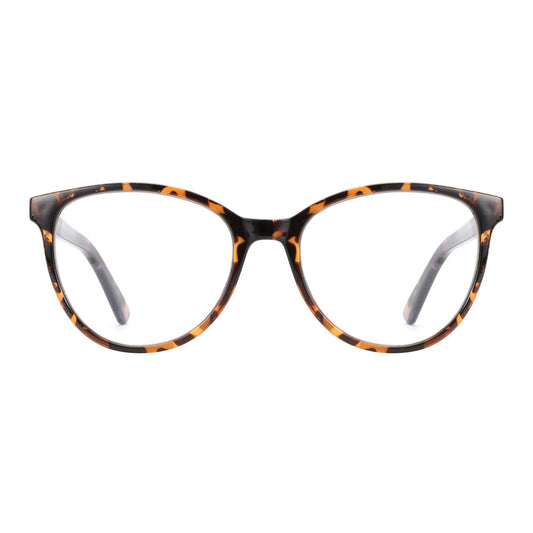
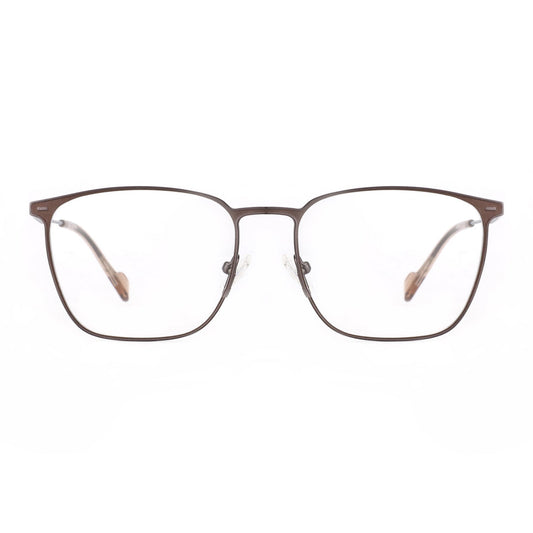
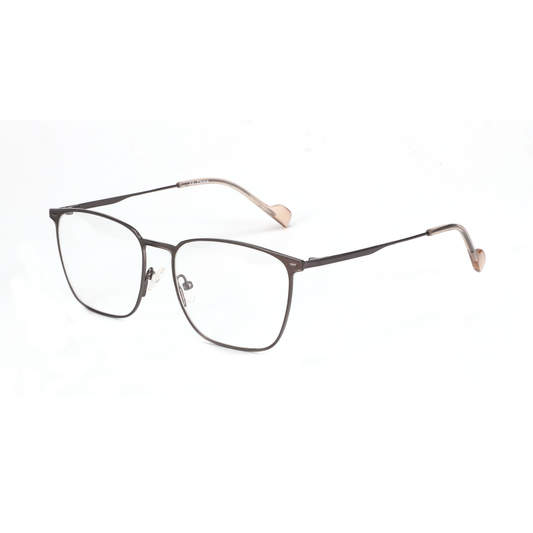
Ready to explore frames engineered for better ergonomics? Browse our full Eyeglasses collection or check specific models such as the Zenottic Eyeglasses Marsh and Zenottic Eyeglasses Werner, both available with 1.74 high-index lenses. For more targeted reading, see our guides on The Ultimate Guide to Ultra-Thin Lenses for -6.00 Prescriptions and Above and Deep Work Eyewear: The Best Glasses for 10-Hour Screen Days.
