


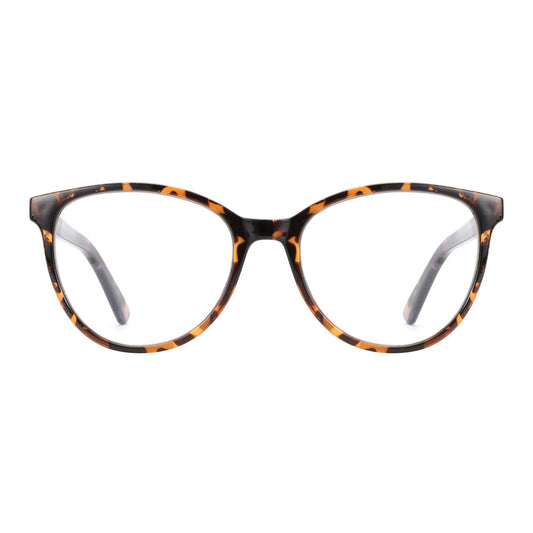

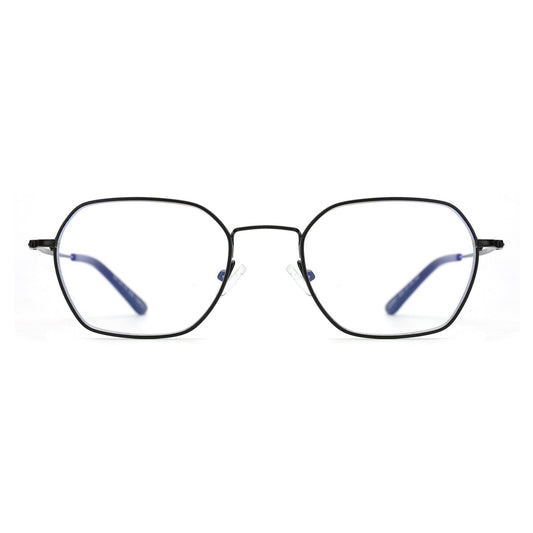

Bio-Acetate Frames: The Eco-Conscious Choice for 2026
Summary
Bio-acetate represents a significant evolution in eyewear material science, combining the premium aesthetic and durability of traditional acetate with a drastically reduced environmental footprint. By replacing petroleum-based plasticizers with bio-based alternatives derived from renewable sources like wood pulp and cotton fibers, bio-acetate frames offer a circular solution for eco-conscious consumers in 2026 without compromising on style or optical performance.
Key takeaways
- Renewable Composition: Bio-acetate typically consists of 60-70% renewable cellulose content, significantly higher than traditional plastics.
- Biodegradability Standards: Genuine bio-acetate is designed to meet industrial composting standards such as ISO 14855, though it requires specific conditions to break down effectively.
- Premium Performance: These frames maintain the same depth of color, transparency, and hypoallergenic properties as high-end traditional acetate.
- Lower Carbon Footprint: The shift away from fossil-fuel-based plasticizers results in a lower lifecycle carbon impact compared to conventional eyewear materials.
- Verification is Critical: Look for certifications like ISCC Plus or FSC to ensure the material's sustainability claims are independently verified.
Understanding Bio-Acetate: The Material Science Behind Sustainable Eyewear
The transition toward sustainable eyewear has led to the rise of bio-acetate, a material that bridges the gap between high-fashion aesthetics and environmental responsibility. To understand what makes this material unique, we must first look at its chemical composition. Traditional acetate, or cellulose acetate, has always been partially bio-based because it is derived from wood pulp or cotton linters. However, the "glue" that makes it flexible and durable—the plasticizers—has historically been petroleum-based, often containing phthalates.
In bio-acetate, these fossil-fuel-derived plasticizers are replaced with bio-based alternatives, often derived from citric acid or other vegetable-based sources. This shift transforms the material into a more circular product. According to the International Cellulose Acetate Association, modern bio-acetate formulations typically achieve a bio-based content of over 60%, with some premium versions reaching even higher thresholds. This composition not only reduces reliance on finite resources but also enhances the material's end-of-life profile.
When considering the technical aspects of frame materials, it is helpful to look at how they pair with advanced lens technologies. For those requiring complex vision correction, understanding the standards of lens materials is just as important as the frame itself. Our Technical Guide to High-Index Lens Materials and Standards provides a deep dive into the material science of high-index lenses, explaining how standards like ISO 8980-1 ensure optical precision, which is a perfect technical complement to the innovation found in bio-acetate frames.
Logic Summary: The recommendation for bio-acetate is based on its high renewable content and reduced reliance on petrochemicals. However, it is important to note that "bio-based" does not automatically mean "home compostable"; industrial facilities are usually required for proper degradation.
Why Bio-Acetate is the Sustainable Leader for 2026
As we move through 2026, the eyewear industry has seen a massive shift toward transparency and circularity. Bio-acetate has emerged as the leader in this space because it does not require consumers to sacrifice the "hand-feel" or vibrant colors they expect from luxury eyewear. Unlike recycled plastics, which can sometimes appear cloudy or have limited color ranges, bio-acetate allows for the same intricate patterns and high-gloss finishes found in acetate frames.
The environmental benefits extend beyond just the material source. The manufacturing process for bio-acetate often involves lower energy consumption and fewer toxic emissions compared to traditional plastic production. Furthermore, because bio-acetate is hypoallergenic and free from harmful phthalates, it is an excellent choice for individuals with sensitive skin. This combination of safety, performance, and sustainability makes it the benchmark material for the modern eco-conscious wardrobe.

Comparing Bio-Acetate with Other Eco-Friendly Materials
Choosing the right sustainable material involves understanding the trade-offs between durability, weight, and environmental impact. While bio-acetate is a top contender, other materials like recycled ocean plastic, wood, and cork are also prevalent in the market.
| Material | Primary Source | Durability | Recyclability/Biodegradability | Best For |
|---|---|---|---|---|
| Bio-Acetate | Wood pulp/Cotton + Bio-plasticizers | High | Industrially Biodegradable | Premium fashion & daily wear |
| Recycled Plastic | Post-consumer waste (bottles/nets) | Medium-High | Recyclable | Sporty & casual styles |
| Natural Wood | Sustainably harvested timber | Medium (Can be brittle) | Biodegradable | Unique, artisanal looks |
| Recycled Metal | Scrap stainless steel/Titanium | Very High | Infinitely Recyclable | Minimalist & lightweight frames |
While natural wood is highly biodegradable, it lacks the adjustability of bio-acetate. Opticians can easily heat and shape bio-acetate frames to ensure a perfect fit, a critical factor for long-term comfort. If you are looking for the most versatile option that combines the best of all worlds, bio-acetate remains the most practical choice for eyeglasses intended for daily use.
How to Verify Genuine Sustainable Eyewear Claims
With the rise of "greenwashing," it is more important than ever for consumers to know how to verify the claims made by eyewear brands. Not all "eco-friendly" glasses are created equal. To ensure you are purchasing genuine bio-acetate, look for specific certifications and standards.
- ISCC Plus Certification: This is one of the most rigorous standards for bio-based materials. It tracks the material through the entire supply chain, ensuring that the bio-content is accurately reported and sustainably sourced.
- FSC (Forest Stewardship Council): Since bio-acetate is derived from wood pulp, FSC certification ensures that the wood comes from responsibly managed forests that provide environmental, social, and economic benefits.
- ISO 14855 / EN 13432: These are the international standards for biodegradability in aerobic conditions. If a brand claims their frames are biodegradable, they should be able to cite compliance with these standards, typically indicating that the material will break down in an industrial composting environment within 180 days.
Logic Summary: Verification is essential because the term "bio-acetate" is not strictly regulated in all markets. We rely on third-party certifications to validate that the material meets the environmental benchmarks it claims.
Practical Care and Maintenance for Bio-Acetate Frames
To maximize the lifespan of your bio-acetate frames, it is important to understand that they may be slightly more sensitive to certain environmental factors than traditional plastics. Because the plasticizers are bio-based, they can react differently to extreme heat and harsh chemicals.
Cleaning and Storage Guidelines:
- Avoid Harsh Chemicals: Never use acetone, window cleaners, or high-alcohol-content sprays on your frames. These can strip the bio-plasticizers from the surface, leading to cloudiness or brittleness. Use a mild, pH-neutral soap and lukewarm water instead.
- Temperature Sensitivity: Bio-acetate can be more prone to warping if left in high-heat environments, such as a car dashboard in the summer. Always store your glasses in a protective case when not in use.
- Ultrasonic Cleaning: While generally safe, limit the time your bio-acetate frames spend in ultrasonic cleaners, as prolonged exposure to the vibrations and heat can affect the material's integrity over several years.
By following these care tips, you ensure that your sustainable choice remains a long-lasting part of your style. Proper maintenance is a key component of sustainability; the longer a product lasts, the lower its overall environmental impact.

Choosing the Right Bio-Acetate Frames for Your Style
Sustainability doesn't mean you have to compromise on the perfect fit. When selecting your next pair of frames, consider how the shape complements your natural features. Bio-acetate is available in a wide range of silhouettes, from bold oversized squares to classic rounds.
To find the most flattering look, we recommend consulting The Ultimate Face Shape Guide: How to Find Your Perfect Glasses in 2026. This guide helps you identify whether you have a heart, oval, square, or round face shape and suggests frame styles that balance your proportions. Additionally, our tips for choosing frames based on face shape offer practical advice on how to select colors and thicknesses that enhance your personal style.
Once you've selected your eco-friendly frames, you'll also want to consider the lenses. For those with higher prescriptions, you might need to compare high-index lens options to ensure your glasses are as light and comfortable as possible. Pairing bio-acetate frames with the right lenses creates a high-performance, sustainable vision solution.
FAQ
What exactly is bio-acetate made of? Bio-acetate is primarily composed of cellulose acetate, which is derived from natural fibers like wood pulp or cotton. The key difference from traditional acetate is the use of bio-based plasticizers, often made from citric acid derivatives or other vegetable sources, instead of petroleum-based chemicals. This results in a material that is significantly more renewable and has a lower environmental impact.
Are bio-acetate glasses biodegradable at home? No, bio-acetate is generally not home-compostable. It is designed to be industrially biodegradable, meaning it requires the specific high-temperature and microbial conditions found in professional composting facilities to break down effectively, as defined by standards like ISO 14855. In a typical landfill or home compost pile, the degradation process would be much slower and less efficient.
Is bio-acetate as durable as regular plastic? Yes, bio-acetate offers comparable durability and strength to traditional high-quality acetate. It maintains the same flexibility, which allows for easy adjustment by opticians, and it is highly resistant to impact. However, it may be slightly more sensitive to extreme heat and certain chemical solvents, so proper care is essential to maintain its finish over time.
How can I tell if my glasses are real bio-acetate? To verify the authenticity of bio-acetate, look for reputable brands that provide transparency about their material sources. Check for certifications such as ISCC Plus or FSC on the product packaging or the brand's website. Genuine bio-acetate frames are often labeled as such on the inside of the temple arm, though third-party verification remains the most reliable method.
Is bio-acetate hypoallergenic? Yes, bio-acetate is naturally hypoallergenic. Because it is made from plant-based fibers and bio-based plasticizers, it is free from many of the harsh chemicals and phthalates found in cheaper injection-molded plastics. This makes it an ideal choice for individuals who experience skin irritation or sensitivity when wearing traditional plastic frames.
Can I put prescription lenses in bio-acetate frames? Absolutely. Bio-acetate frames are designed to be high-quality optical frames and can accommodate almost any type of prescription lens, including single vision, bifocal, and progressive lenses. They are particularly well-suited for high-index lenses because the material is strong enough to support the weight and thickness of various lens designs while remaining comfortable for the wearer.
References
Government / Standards / Regulators
- ISO 14855: Determination of the ultimate aerobic biodegradability of plastic materials
- EN 13432: Requirements for packaging recoverable through composting and biodegradation
- ANSI Z80.1-2025: Ophthalmics - Prescription Ophthalmic Lenses - Recommendations
Industry Associations / Research Institutes
- International Cellulose Acetate Association: Technical Papers on Bio-Acetate Composition
- ISCC Plus Certification: Circular and Bio-based Economy Standards
- Forest Stewardship Council (FSC): Sustainable Forest Management Standards
Academic / Whitepapers / Labs
- ScienceDirect: Bio-based plasticizers for cellulose acetate - A comprehensive review
- ResearchGate: Comparative lifecycle assessment of eyewear materials
