




The Seasonal Eyewear Wardrobe: Matching Frames to Your Style
Summary
Building a seasonal eyewear wardrobe allows you to treat your glasses as a dynamic fashion accessory rather than a static medical necessity. By curating a capsule collection of frames that align with the color palettes, textures, and functional demands of spring, summer, fall, and winter, you can maintain a cohesive personal style while ensuring optimal visual performance in changing environmental conditions.

Key takeaways
- Aesthetic Alignment: Match frame colors and materials to seasonal wardrobe shifts, such as light acetates for spring and rich tortoiseshells for autumn.
- Functional Optimization: Incorporate technical features like polarized lenses for summer glare and anti-fog coatings for winter temperature transitions.
- Capsule Collection Strategy: Invest in 3-4 high-quality pairs—ranging from professional neutrals to bold seasonal statement pieces—to maximize versatility.
- Climate-Specific Care: Adjust your maintenance routine to account for seasonal challenges like high humidity in summer or extreme cold in winter.
Why You Need a Seasonal Eyewear Wardrobe
The concept of the "Wardrobe Effect" suggests that our accessories should evolve alongside our clothing choices. Just as you wouldn't wear a heavy wool coat in July, wearing the same pair of heavy, dark frames year-round can create a visual disconnect with your lighter seasonal attire. A seasonal eyewear wardrobe ensures that your frames enhance your overall look rather than clashing with it. Beyond aesthetics, different seasons present unique environmental challenges. Transitioning between air-conditioned interiors and humid summer heat, or facing the intense glare of winter sun on snow, requires specific lens technologies to maintain comfort and clarity.
Logic Summary: This approach assumes that eyewear is both a functional tool and a fashion statement. By diversifying your collection, you reduce wear and tear on a single pair and improve visual comfort across varying light and weather conditions.
Spring: Embracing Renewal with Light and Color
Spring fashion is characterized by pastel palettes, floral prints, and lightweight fabrics like linen and cotton. To complement this, your eyewear should lean toward translucence and soft hues. Crystal acetates, champagne tones, and thin metal frames work exceptionally well during this transition. As the days grow longer, you might also consider finding frames that complement your face shape to ensure your new spring look is perfectly balanced.
In 2026, we are seeing a trend toward "biophilic" designs—frames that incorporate natural textures or colors inspired by early blooms. Think sage greens, dusty roses, and pale lavenders. Functionally, spring is often a high-allergy season. Choosing frames with a slightly larger surface area can provide a physical barrier against pollen, while easy-to-clean lens coatings help manage the frequent smudging that comes with spring showers.
Summer: High-Contrast Style and Maximum Protection
Summer is the season of bold statements and essential protection. Your eyewear wardrobe must prioritize UV defense while embracing the vibrant energy of the sun. This is the time for oversized silhouettes, bold primary colors, and high-performance materials. When selecting your summer staples, it is vital to learn how to choose sunglasses colors for different seasons to match your beachwear or city-summer outfits.
Technical performance is non-negotiable in the summer months. High-intensity sunlight requires lenses that meet ANSI Z80.3 standards for UV protection. For those who spend time near water or driving, polarized lenses are essential for neutralizing horizontal glare. You can explore our sunglasses collection for seasonal style to find pieces that combine these technical requirements with 2026's trend for "retro-futuristic" wraps and vibrant mirrored finishes.
Autumn: Rich Textures and Warm Tones
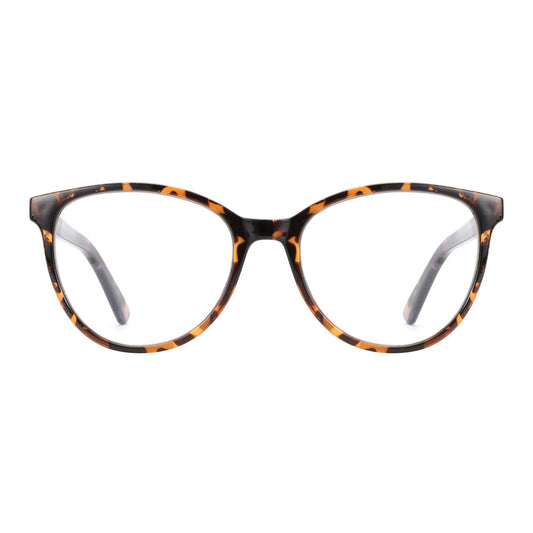
As the landscape shifts to ambers, deep reds, and earthy browns, your eyewear should follow suit. Autumn is the perfect time to introduce durable acetate frames for year-round wear in classic tortoiseshell, mahogany, or deep forest green. These richer tones and heavier textures pair beautifully with the layering of knits, leathers, and flannels typical of fall fashion.
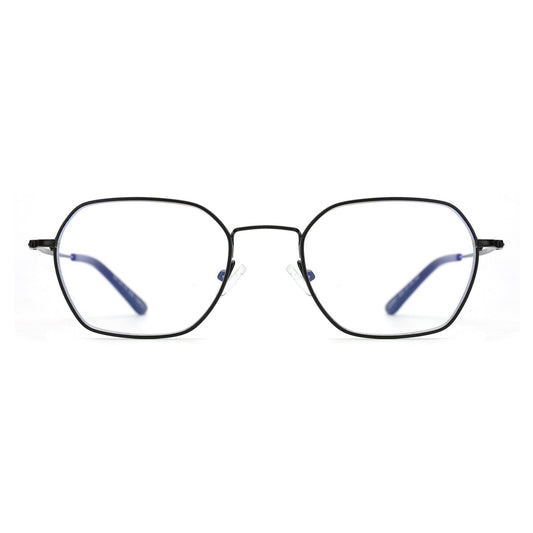
The lower angle of the autumn sun can create unique driving hazards. Consider lenses with specialized anti-reflective coatings to minimize "ghosting" and internal reflections. This is also the season where many people transition back to more formal professional settings after summer breaks. A sophisticated pair of browline or geometric metal frames can bridge the gap between outdoor weekend adventures and indoor office environments.
Winter: Sophisticated Neutrals and Technical Resilience
Winter eyewear must contend with low light levels, indoor heating, and the harsh reflection of snow. Style-wise, winter 2026 favors "icy" aesthetics—cool silvers, deep navy, and stark blacks. These colors provide a sharp, clean contrast to the heavy textures of winter coats and scarves. To ensure your winter look remains comfortable, you must ensure proper fit for comfort and style, as frames can feel tighter or more brittle in extreme cold.

One of the biggest winter challenges is lens fogging when moving from the cold outdoors to a warm room. Investing in high-quality anti-fog treatments is a game-changer for winter comfort. Additionally, for those with high prescriptions, winter is an excellent time to understand lens materials for optimal vision clarity by reviewing technical guides on high-index materials. Thinner lenses not only look better in sleek winter frames but also reduce the overall weight on your nose when you're already bundled up in heavy layers.
Building Your Eyewear Capsule Collection
You don't need dozens of pairs to have a seasonal wardrobe. A well-curated capsule collection of 3-4 pairs can cover almost every occasion and seasonal shift.
| Pair Type | Primary Season | Key Feature | Style Vibe |
|---|---|---|---|
| The Professional Neutral | Year-Round | Thin Metal or Black Acetate | Understated, reliable, versatile |
| The Sun Specialist | Summer/Winter | Polarized, UV400 | Bold, protective, adventurous |
| The Color Statement | Spring/Summer | Pastel or Bright Acetate | Playful, energetic, trendy |
| The Texture Piece | Autumn/Winter | Tortoiseshell or Matte Finish | Warm, sophisticated, grounded |
Logic Summary: This table provides a heuristic for a balanced collection. The "Professional Neutral" acts as the anchor, while the other three allow for seasonal expression and functional specialization.
Seasonal Maintenance and Climate Care
Different climates and seasons require different care routines for your eyewear. In humid summer months, sweat and skin oils can degrade frame coatings more quickly; frequent rinsing with mild soap and water is essential. In winter, avoid leaving your glasses in a cold car, as extreme temperature fluctuations can cause "crazing" (tiny cracks) in lens coatings or make acetate frames more prone to snapping.
For those using high-index materials, be aware that these specialized polymers—while excellent for thinness—can have different thermal expansion rates than standard plastic. Referencing the Technical Guide to High-Index Lens Materials and Standards can help you understand how materials like the MR™ series (1.61, 1.67, 1.74) perform under various environmental stresses. Always use a microfiber cloth and avoid using your shirt, especially in winter when fabrics like wool can be highly abrasive.
FAQ
How many pairs of glasses should be in a seasonal wardrobe? While there is no hard rule, most stylists recommend a minimum of three pairs: a professional neutral for daily wear, a dedicated pair of prescription sunglasses for high-sun protection, and one "statement" pair that aligns with your favorite seasonal colors. This allows you to rotate your look while ensuring you always have a backup pair in case of damage.
Can I use the same frames for both summer and winter? Yes, many frames are versatile enough for year-round use, but you may want to change the lenses or coatings. For example, a clear crystal frame works beautifully in both the bright light of summer and the "icy" aesthetic of winter. However, the functional needs change—you might prioritize blue light blocking in the darker winter months and polarized tints in the summer.
What are the best frame materials for extreme temperatures? Acetate is a fantastic choice for most seasons because it is hypoallergenic and holds color beautifully, but it can become brittle in extreme cold. For very harsh winters or high-impact summer activities, titanium or advanced memory metals are often preferred because they maintain their flexibility and structural integrity across a wider range of temperatures.
How do I match my glasses to my skin tone across different seasons? Your skin tone may change slightly if you tan in the summer, which can affect how certain frame colors look on you. Generally, "cool" skin tones pair well with blues, silvers, and blacks, while "warm" skin tones suit golds, browns, and olives. A seasonal wardrobe allows you to shift toward warmer tones in the autumn and cooler, crisper tones in the winter to match these natural shifts.
Are there specific lens coatings recommended for winter? Anti-fog coating is the most important technical addition for winter eyewear. The transition from cold outdoor air to heated indoor environments causes immediate condensation on lenses. Additionally, an anti-reflective (AR) coating is highly beneficial for winter driving to combat the glare from streetlights and headlights reflecting off wet or snowy roads.
How does sustainability fit into a seasonal eyewear wardrobe? Sustainability in eyewear is about "quality over quantity." Instead of buying cheap, disposable frames every few months, invest in high-quality, durable materials like bio-acetate or recycled metals that will last for years. A seasonal wardrobe doesn't mean buying new glasses every year; it means having a curated set of quality pieces that you rotate through the seasons.
References
Government / Standards / Regulators
- ANSI Z80.3-2018: Ophthalmics - Nonprescription Sunglass and Fashion Eyewear Requirements
- FDA: Impact Resistant Lenses: Questions and Answers
