



Blue Light vs. AR Coating vs. Computer Rx: Which Do You Need?
The Core Differences: Blue Light vs. AR vs. Computer Rx
When you spend eight hours a day staring at a monitor, "eye strain" becomes a catch-all term for several different physiological issues. To find the right solution, you first need to understand that blue light filters, anti-reflective (AR) coatings, and computer prescriptions are tools designed for different jobs.
- Blue Light Glasses: These typically feature a tint or a specific lens monomer designed to filter high-energy visible (HEV) blue light. In our experience, these are most effective for users who work late into the evening, as they may help minimize the disruption of sleep cycles caused by screen exposure.
- Anti-Reflective (AR) Coating: This is a microscopic, multi-layer film applied to the lens surface. Its primary job is to eliminate reflections from the front and back of your glasses. As noted in this Vision Center guide on anti-glare coatings, AR coatings allow more light to pass through the lens, which sharpens vision and reduces the "ghosting" images caused by overhead office lights.
- Computer Prescriptions: Unlike standard "distance" or "reading" glasses, these are "intermediate" lenses. They are specifically calculated for the 20-to-40-inch zone. We often see users struggle with standard progressives because the "sweet spot" for a monitor is too small; a dedicated computer Rx expands that field of vision, reducing the need to tilt your head back or lean forward.
Matching Symptoms to Solutions: A Practical Guide
Choosing the wrong lens technology is a common reason for returns. To avoid this, we recommend matching your specific "desk symptoms" to the technology designed to solve them.
| If you feel... | And you notice... | The likely solution is... |
|---|---|---|
| Visual "Noise" | Reflections of windows or lamps on your lenses. | AR Coating |
| Focusing Fatigue | You have to squint or lean in to read small text at arm's length. | Computer Prescription |
| Evening Restlessness | You struggle to fall asleep after late-night gaming or work. | Blue Light Filtering |
| General Heaviness | Dryness, redness, and a "gritty" feeling in the eyes. | Ergonomic Adjustments (The 20-20-20 rule) |

Debunking Common Screen Lens Myths
In the eyewear industry, marketing often outpaces science. Here are the most frequent misconceptions we encounter:
- "Blue light glasses stop all eye strain." This is rarely the case. Digital eye strain is often caused by "accommodative effort" (the muscles in your eye working to focus) or dry eyes from not blinking. A blue light filter doesn't help with focusing; only a proper prescription can do that.
- "AR coating and Blue Light filters are the same thing." While some premium lenses combine both, they are distinct. A standard AR coating makes the lens look invisible and cuts glare; a blue light filter often has a slight yellow or amber tint (though "clear" versions exist).
- "I don't need a prescription if I have 20/20 vision." Even if you have perfect distance vision, your eyes still have to work hard to maintain focus at a fixed intermediate distance for hours. A "non-prescription" computer lens with a slight "power boost" (often +0.50 or +0.75) can significantly reduce muscle strain.
The "At-Home" Diagnostic: Test Your Workspace
Before buying new glasses, perform this quick 30-second check at your actual workstation:
- The Reflection Test: Sit in your usual chair. Have someone look at your eyes or use a mirror. Do you see the reflection of your monitor or overhead lights on your current lenses? If yes, an AR coating is your highest priority.
- The Distance Test: Hold a piece of paper with small text at your monitor's distance. Now, move it 6 inches closer, then 6 inches further. If the text becomes significantly clearer at a different distance than your monitor, your current prescription (or lack thereof) is likely the culprit for your fatigue.
This detailed comparison of computer glasses versus blue light glasses provides further insight into how these technologies perform under different lighting conditions.
Heuristic Comparison: Performance Expectations
The following chart illustrates how these options typically perform across different user needs. These scores represent a heuristic model based on common user feedback and lens performance characteristics, rather than clinical data.
Illustrative Lens-Fit Guide by Discomfort Scenario
Use this as a practical decision aid, not a medical ranking.
View chart data
| Series | Glare / reflections | Intermediate focus fatigue | Evening comfort / sleep sensitivity | Gaming / long screen sessions | Broad everyday usefulness |
|---|---|---|---|---|---|
| Blue Light Filtering | 2.0 | 1.0 | 4.0 | 4.0 | 3.0 |
| AR Coating | 5.0 | 1.0 | 1.0 | 2.0 | 4.0 |
| Computer Rx | 1.0 | 5.0 | 4.0 | 3.0 | 3.0 |
| Combination Lens | 4.0 | 4.0 | 5.0 | 5.0 | 5.0 |
Heuristic 1-5 scale based on scenario_matrix, myth_vs_reality, and dont_buy_if. This is an illustrative practical guide, not scientific or clinical data. Scores reflect relative fit for common use cases: AR for glare/reflections, Computer Rx for desk-distance fatigue, Blue Light for perceived evening comfort, and combinations for mixed needs.
How to Choose the Right Pair
When you are ready to purchase, we suggest a "layered" approach rather than a "one-size-fits-all" mentality.
- For the Office Professional: Prioritize a high-quality AR coating. Most modern offices use bright LED or fluorescent lighting that creates significant glare.
- For the Remote Worker/Writer: If you spend 6+ hours on a laptop, a dedicated computer prescription with a blue light filter is often the "gold standard" for comfort.
- For the Nighttime Gamer: A dedicated blue light filter (potentially with a stronger amber tint) can help manage the high-contrast light of gaming monitors in dark rooms.
For more specific advice on lens selection, refer to this practical guide to selecting blue light blocking glasses.
When to See an Eye Care Professional
While consumer-grade blue light glasses can offer subjective comfort, they are not a substitute for medical care. If you experience persistent headaches, sudden changes in vision, or pain, you should schedule a comprehensive eye exam. A professional can determine if your strain is caused by uncorrected astigmatism or binocular vision issues that a simple coating cannot fix.
Disclaimer: This article is for informational purposes and does not constitute medical advice. Always consult with an optometrist for vision concerns.
Recommended Solutions for Digital Comfort
In 2026, the trend is moving toward "combination" lenses that offer the best of all worlds. By matching the technology to your specific environment, you can reduce the risk of returns and find immediate relief.
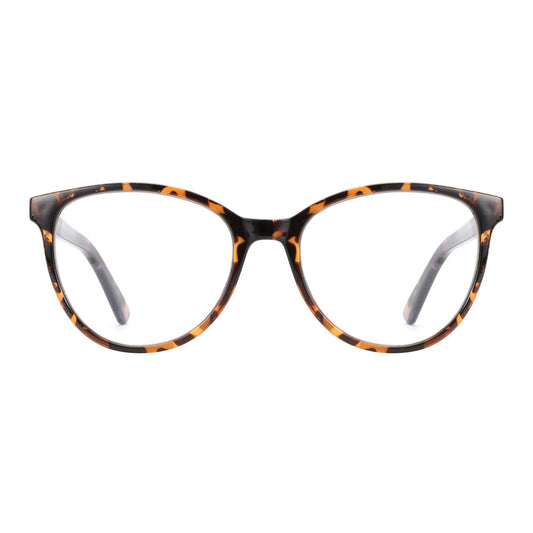
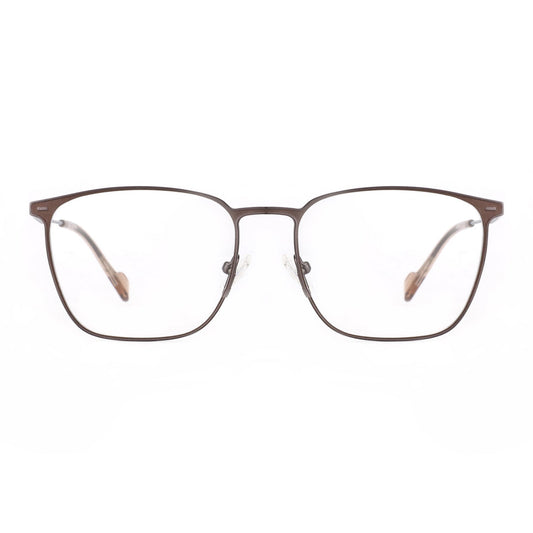
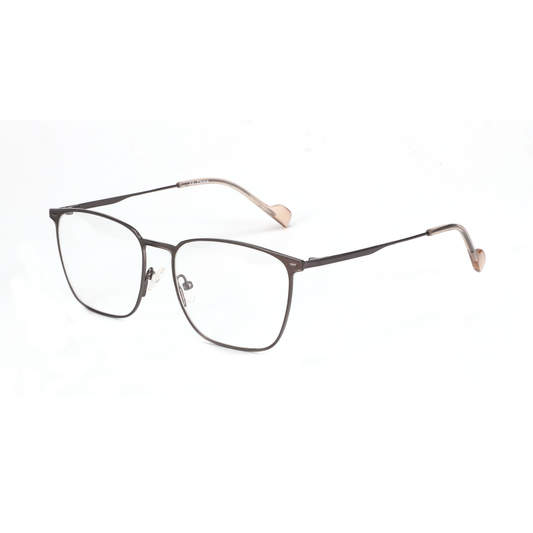
Our Zenottic Blue Light Blocking Glasses collection provides a variety of frames equipped with protective coatings. For those who need a dedicated desk solution, the Zenottic Eyeglasses Setlla or Zenottic Blue Light Blocking Glasses York are excellent starting points. If you require vision correction, the Zenottic Reading Glasses Don offers a blend of prescription power and blue light protection.
To dive deeper into the science, read Do Blue Light Glasses Actually Work? or explore the Blue Light Glasses: Pros and Cons. For specialized needs, see our guide on Do Gaming Glasses Actually Work?.
Explore our full range of Eyeglasses, including Men's Glasses and Women's Eyeglasses.

