


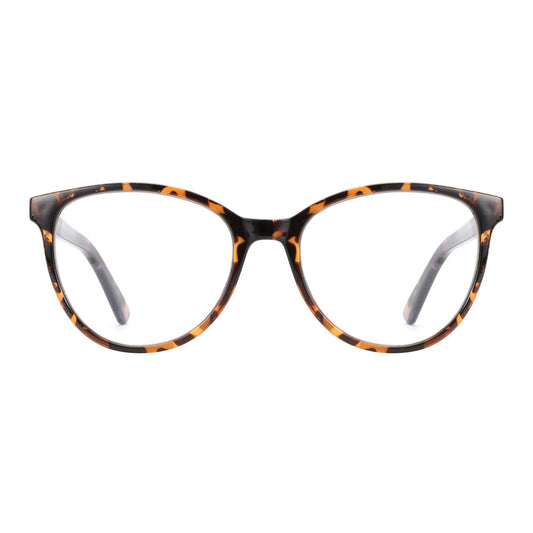

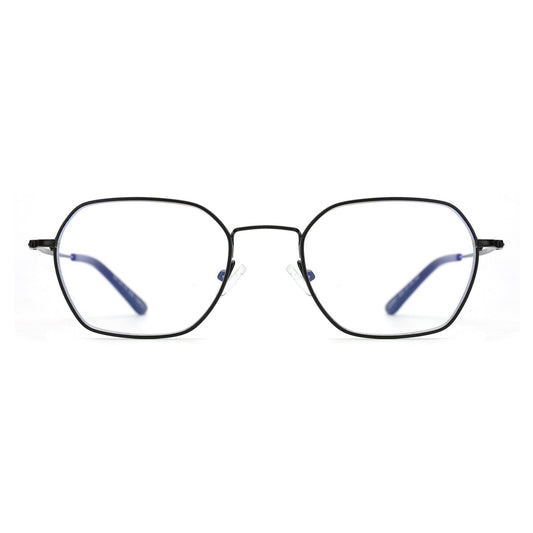

Kids Eyeglass Frames: Why Polycarbonate Lenses and Flexible Bridges Are Non-Negotiable
U.S. rules for children's glasses focus on one performance standard, not one lens material by name: eyeglass lenses generally must pass an impact-resistance test. Polycarbonate and Trivex both routinely meet that test, which is why eye doctors bring them up so often for kids' lens safety, but the federal rule itself does not name either material as mandatory. A flexible bridge is a separate frame feature, and the evidence available on it speaks to durability, not to whether the lens itself resists impact.

Which lens material is safest for a child's glasses?
The safest starting point is the federal performance rule, not a brand-name material. Federal law requires impact-resistant lenses with a narrow exception, and polycarbonate and Trivex are the two plastics eye doctors most often describe as meeting that bar for kids' lens safety, regardless of whether parents also evaluate kids' blue light glasses for digital strain.
What U.S. rules require
Federal regulation generally requires that eyeglasses and sunglasses be fitted with impact-resistant lens requirement lenses, made from glass, plastic, or laminated glass that passes an impact test. The rule includes one written exception: a physician or optometrist can prescribe a different lens if impact-resistant lenses would not meet a patient's visual needs, as long as that decision is put in writing and given to the patient. That exception is narrow and professional-driven, not a general opt-out. It's also worth being precise about what "impact-resistant" means: the FDA explains that impact-resistant lenses reduce eye injuries linked to eyeglasses and sunglasses. Reducing injury risk is not the same as guaranteeing a lens can never crack or break, so treat "impact-resistant" as a tested performance level rather than a promise of indestructibility, much like managing daily screen time rules for kids to reduce routine visual strain.
What the evidence says about polycarbonate and Trivex
Beyond the legal minimum, the American Academy of Ophthalmology describes polycarbonate as highly impact resistant and says Trivex meets the same safety standards while causing less visual distortion. That is a useful, narrow comparison, not proof that one material is the correct choice for every child or every prescription. Neither material is named specifically in the federal rule, and both pass the required impact-resistance standard without one being universally safer. If you want a deeper look at how the two plastics differ on weight, clarity, and cost, our guide on polycarbonate versus Trivex breaks down the technical tradeoffs. The right call for a specific prescription is still a conversation with your child's eye-care professional, since visual needs, not marketing claims, drive that exception in the federal rule.
What does a flexible bridge add to kids' frames?
A flexible bridge is a frame-construction feature, and the available evidence does not show that it makes a lens more impact resistant or prevents a lens from splintering. Treat bridge flexibility and lens impact resistance as two separate questions when you're evaluating a pair of kids' glasses.
The closest related evidence comes from pediatric eye-care guidance on frames generally, which notes that flexible arms on children's frames may be less likely to snap off during rough handling. That is a statement about arm durability, not about the bridge or the lens. Nothing in that guidance, or in the federal impact-resistance rule, establishes that a flexible bridge absorbs impact or protects the lens from cracking. If a product description implies that a flexible bridge makes lenses safer on its own, that claim goes beyond what current evidence supports. The lens material and its impact-resistance rating remain the relevant safety factor; bridge flexibility is worth having for comfort and wear, but it is not a substitute for a lens that passes the impact test.
What should parents confirm at a child's eyewear fitting?
At a fitting, check what you can see and feel, then confirm the parts you can't see with a professional. Two visual checks and one professional confirmation cover the ground that matters most.
- Look at where the eyes sit in the lenses. The pupils should be centered, not noticeably off to one side.
- Check that the frame doesn't press into the cheeks or brush against the eyelashes when your child blinks or smiles.
- Ask your child's eye-care professional to confirm that the lens material fits the prescription and visual needs; don't assume one material is automatically right based on a general rule.
- If the frame is bent or sits unevenly, bring it to an optical shop for adjustment instead of bending it yourself at home, since forcing misaligned metal or plastic can crack a lens or throw off the prescription fit.
These checks come from pediatric eyeglass fitting guidance, which also covers frame and nose-pad adjustments in more detail if your child's glasses still don't sit right after the basics check out. Browsing a dedicated line of kids' glasses frames can help you compare styles once you know what fit and lens questions to ask, but the fit checks above and your eye doctor's sign-off are what actually confirm the glasses are right for your child.
FAQs
Does "impact-resistant" mean the lens can't break?
No. Impact-resistant lenses are tested to reduce the number of eye injuries linked to eyeglasses and sunglasses, according to FDA guidance, but that is a reduced-risk performance standard, not a guarantee against cracking or breaking under all conditions.
Can a doctor prescribe a lens that isn't impact-resistant?
Yes, but only under a specific, written exception. Federal rule 801.410 allows a physician or optometrist to prescribe a different lens if they determine impact-resistant lenses won't meet the patient's visual needs, and that decision must be given to the patient in writing.
Is Trivex better than polycarbonate for kids?
Neither is established as universally better. The American Academy of Ophthalmology notes Trivex meets the same safety standards as polycarbonate with less visual distortion, but the evidence doesn't rank one as the correct choice for every prescription or every child.
Does a flexible bridge make glasses safer overall?
It can add to comfort and everyday durability, but current evidence doesn't show that bridge flexibility improves lens impact resistance. The lens material and its impact-resistance rating are the separate factor that determines how the lens itself holds up to impact.
