



Why Do Metal Glasses Frames Develop Green Residue?
Green residue on metal glasses frames usually comes from a mix of moisture, sweat, skin oils, and reactions at exposed metal surfaces, especially around nose-pad arms, hinges, and temples. Copper-containing alloys can develop greenish oxidation products, while dirt and worn surface finishes can create similar-looking discoloration. The good news is that light buildup often comes off with gentle cleaning. The first step is to identify whether you are dealing with removable residue, surface wear, or corrosion before reaching for a stronger cleaner.
What Is the Green Residue on Metal Glasses Frames?
The green or blue-green residue on metal glasses frames is often caused by oxidation on copper-containing metal parts, mixed with sweat, skin oils, and everyday dirt. It commonly appears around nose-pad arms, hinges, screws, and other areas that stay close to the skin or trap moisture.
Not every green mark means the frame is damaged. If the residue wipes away and the surface underneath still feels smooth, it may be mostly buildup. If the area feels rough, looks pitted, or quickly turns green again, the metal finish may need a closer inspection.
See How Sweat, Moisture, and Skin Oils Affect Metal Surfaces
Sweat does more than make glasses slippery. It contains water and salts that can remain around the frame after the moisture itself has evaporated. When those residues repeatedly contact a metal surface, they can contribute to corrosion in susceptible alloys or at areas where a protective finish has worn thinner.
Skin oils, sunscreen, makeup, and facial products can add another layer of residue. Warm, humid weather or frequent exercise can keep these areas damp longer, which gives moisture more time to remain around screws, pad arms, and hinges.
The effect also depends on the frame material. Titanium glasses frames, stainless steel, and other corrosion-resistant materials behave differently from copper-containing alloys. That does not mean one material is automatically right for every wearer, but it does explain why two metal frames may age differently under the same conditions.
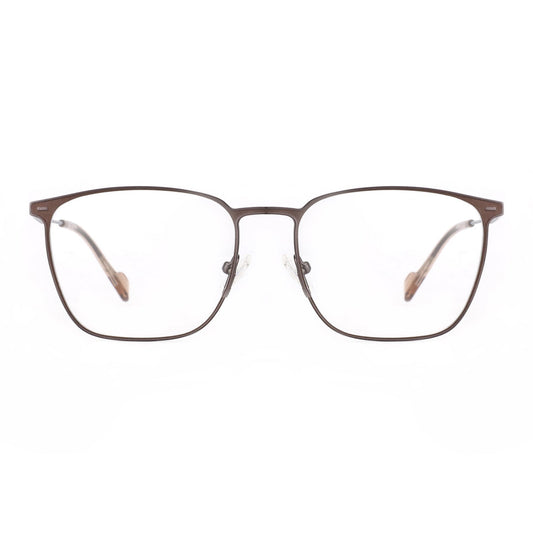
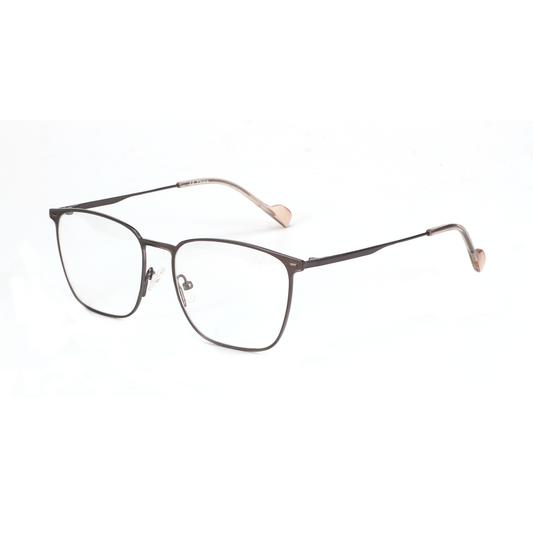
ZENOTTIC, for example, currently offers metal options including the Pamela titanium eyeglasses. Material information on the exact product page is more useful than assuming every metal frame has the same composition or corrosion resistance.
Regular cleaning helps because it removes sweat and oils before they build up. It cannot restore a worn finish, but it can make it easier to see whether the issue is ordinary surface residue or a change in the metal itself.
Clean Around Nose Pads and Hinges Without Damaging the Lenses
If you are searching how to clean eyeglasses properly, start with the least aggressive method. You usually do not need metal polish, strong disinfectants, or abrasive tools to remove everyday buildup from a metal frame.
ZEISS recommends cleaning frames with lukewarm running water and a small amount of pH-neutral dishwashing liquid. It also recommends cleaning the temples and nose pads because those areas collect skin oils and dirt.
Start With Mild Soap and Lukewarm Water
Rinse the glasses with lukewarm water to remove loose particles. Apply a small amount of mild, lotion-free soap with clean fingertips and gently work it around the frame, temples, and accessible parts of the nose pads.

Rinse thoroughly so no soap remains. Then dry the frame carefully with a clean, soft cloth and use a clean microfiber cloth for the lenses. Leaving moisture around screws or hinges defeats the purpose of cleaning a metal frame, so make sure those areas are dry before putting the glasses away.
Use Extra Care Around Small Hardware
Hinges, pad arms, and screws are easy places for residue to collect, but they are also easy to damage through aggressive scrubbing. If buildup does not come away with gentle cleaning, do not scrape at it with a needle, knife, metal pick, or other hard object.
For stubborn material around a nose pad or hinge, an optician can clean areas that are difficult to reach and check whether the hardware or finish needs attention. This is a better option than repeatedly applying stronger chemicals at home.
If your question is simply how to clean my eyeglasses, keep the frame and lenses in mind as one system. A product that appears safe for bare metal may not be appropriate for nearby lens coatings, nose pads, paint, or decorative finishes.
Avoid Harsh Chemicals That Can Harm Frame Finishes or Lens Coatings
A green mark can make it tempting to reach for vinegar, bleach, acetone, household glass cleaner, metal polish, or another strong product. That can create a bigger problem than the original residue.
Metal frames often have plating, paint, or protective finishes that can be affected by aggressive chemicals or abrasion. Nearby lenses may also have anti-reflective, scratch-resistant, or other coatings that require gentler care.
Avoid abrasive powders, rough sponges, paper towels, and hard scraping tools. They can scratch surfaces or wear away a finish that was still intact. Even if a strong cleaner removes the visible green color, it may also remove part of the coating underneath.
For routine care, mild soap and lukewarm water are usually enough. If the green area stays rough, exposes a different color underneath, or returns quickly after cleaning, treat that as a sign to inspect the frame rather than clean harder.
The same rule applies to titanium frames. Titanium itself is highly corrosion-resistant, but a complete pair of glasses may still include screws, hinges, coatings, nose-pad hardware, or decorative components made from other materials. Care for the entire frame rather than assuming every visible part behaves exactly like the main frame material.
Know When Discoloration Is Cosmetic and When the Frame Needs Inspection
The easiest first test is simple: clean the area gently and see what changes. If the discoloration disappears and the underlying surface feels smooth, you were probably dealing mainly with removable buildup. Keep the area clean and dry, then watch whether the residue returns.

A frame deserves closer inspection when you notice roughness, pitting, flaking, exposed base metal, loose hardware, or a finish that appears to be lifting. Repeated green buildup in the same small area can also indicate that the surface coating has worn enough for the underlying metal to react more readily.
Skin symptoms are another reason to pay attention. Green staining on the skin is not the same thing as an allergic reaction, but an itchy, painful, or persistent rash where the frame touches your face can be a sign of contact dermatitis. The American Academy of Dermatology notes that metals in eyeglass frames can trigger contact dermatitis in sensitive individuals.
If your skin is irritated, stop focusing only on removing the green residue. Have the frame material and contact points evaluated, especially around the nose and ears.
For ordinary discoloration without irritation, regular gentle cleaning may be all that is needed. If you are choosing your next frame, our guide to thin metal frame glasses covers the weight and material trade-offs. If the finish itself has changed, an optician can determine whether the frame needs adjustment, replacement hardware, or other attention.
Keep Metal Frames Clean and Dry
Green residue on metal glasses frames usually starts where moisture, skin oils, and exposed metal spend the most time together. Clean the nose pads, temples, and hinges regularly with mild soap and lukewarm water, dry the frame thoroughly, and avoid aggressive chemicals or scraping tools. If the color wipes away, maintain a simple cleaning routine. If you see roughness, pitting, finish loss, loose hardware, or skin irritation, have the frame inspected instead of trying stronger cleaners.
FAQs
Q1. Does Green Residue Mean My Metal Glasses Are Rusting?
Not necessarily. Traditional reddish-brown rust is associated with iron-containing metals, while green deposits are more commonly linked to copper-containing alloys or surface buildup. The exact cause depends on the frame material, finish, and where the discoloration appears.
Q2. Can I Use Vinegar to Remove Green Residue From My Glasses?
It is better to start with mild soap and lukewarm water. Vinegar is acidic and may not be appropriate for every frame finish, plating, nose-pad material, or lens coating. If gentle cleaning does not remove the deposit, have the area inspected before trying a stronger chemical.
Q3. Why Does the Green Buildup Keep Coming Back Around My Nose Pads?
Nose-pad hardware stays close to warm, damp skin and collects sweat, oils, and cosmetics throughout the day. If the metal surface or coating has changed with wear, buildup may also return more quickly. Regular cleaning can control residue, but repeated rough corrosion may require professional inspection.
Q4. Do Titanium Glasses Frames Turn Green?
Titanium is highly corrosion-resistant and is less likely to develop the copper-related green discoloration associated with some other alloys. However, a pair of titanium glasses may still contain screws, hinges, coatings, or other components made from different materials. Check the construction of the complete frame rather than judging it by one material label.
Q5. Can Green Residue From Glasses Irritate My Skin?
The green color itself may simply transfer as a surface stain, but metals in eyeglass frames can cause contact dermatitis in sensitive people. If the area becomes itchy, painful, red, or persistently irritated, stop treating it as only a cleaning issue and have the frame and skin reaction evaluated.
