



Can Acetate Glasses Warp in Heat? How to Protect Your Frames
Yes, acetate glasses can change shape when exposed to excessive heat, especially in places such as a hot car or near a strong heat source. Normal daily wear is not the main concern. Good care is straightforward: keep acetate frames away from extreme heat, clean them with lukewarm water, store them in a protective case, and have significant fit changes adjusted professionally.
Why Can Heat Change the Shape of Acetate Glasses?
Acetate becomes easier to shape when warmed. That is one reason opticians can make controlled fit adjustments to acetate frames using professional tools and carefully managed heat.
The same property means prolonged or concentrated heat can affect frame alignment. If a warm frame is also pressed, twisted, or stored unevenly, it may cool in a slightly different position.
Trade guidance on cellulose acetate frame materials notes that acetate softens at around 60 °C, which is what allows an optician to adjust the frame with heat, and warns that excessive heat can warp or distort it. The key difference is control. Professional adjustments target a specific part of the frame while taking the overall alignment and lenses into account.
For everyday wear, there is no need to treat acetate as fragile. The practical goal is simply to avoid unusually high heat and DIY reshaping methods that apply heat unevenly.
Which Everyday Heat Sources Matter Most?
Most heat-related frame care comes down to avoiding a few common situations.
Hot Cars and Direct Heat
A parked car can become much hotter than the outdoor temperature, especially near the windshield or dashboard. ZEISS advises against leaving glasses in extreme heat, since high temperatures can affect frames and lens coatings.

It is also better to keep acetate eyeglasses and sunglasses away from heaters, radiators, stoves, and other concentrated heat sources. If you take your glasses off outdoors, put them in a case rather than leaving them on a surface in direct sun for a long period.
Hot Water and DIY Heating
Use lukewarm water for routine cleaning. Very hot water is unnecessary and adds heat that your frames and lenses do not need.
A hair dryer is also a poor substitute for professional frame adjustment. It can heat one area more than another and may expose the lenses to unnecessary heat. If the frame needs reshaping, an optician can make a more controlled adjustment.
These precautions apply equally to acetate sunglasses. Sunglasses are simply more likely to be left in cars, travel bags, or sunny outdoor locations, so storage deserves a little extra attention.
How Can You Tell If Acetate Frames Have Changed Shape?
A frame does not have to look dramatically bent for the fit to feel different. Small alignment changes can show up as glasses that suddenly sit unevenly, slide more than usual, or create pressure on one side.
Check the frame from the front while wearing it. The rims should sit reasonably level, and the temples should feel balanced on both sides. Then place the glasses on a flat surface and look for obvious differences between the two temple angles.
Common signs worth checking include:
- one side sitting higher than the other
- one temple feeling tighter
- the frame sliding after previously fitting well
- one temple flaring farther outward
- the front of the frame looking slightly twisted
- the lenses sitting at visibly different angles
These signs do not always mean heat caused the change. Loose screws, daily handling, hinge movement, and accidental pressure can also affect alignment.
If the glasses changed fit soon after being left in a hot environment, heat may be part of the explanation. If you are unsure, focus on correcting the fit rather than trying to identify the exact cause yourself.
For a broader look at how frame materials behave in daily use, our comparison of acetate and metal frames covers their differences in weight, adjustability, and everyday handling.
Store and Clean Acetate Frames With Less Stress on the Material
Good care does not require a complicated routine. The goal is to protect the frame from unnecessary heat, twisting, and pressure.

Store Frames in a Protective Case
Keep your glasses in a case when you are not wearing them, especially during travel. A case reduces the chance that other objects will press against the temples or frame front.
Avoid leaving the case on a dashboard or other surface that becomes very hot. When packing luggage, keep the glasses somewhere they will not be compressed under heavier items.
If you carry a backup pair, store each pair separately. Stacking two frames in one soft pouch can put pressure on the temples and lenses.
Clean With Lukewarm Water and Gentle Products
For routine cleaning, rinse away loose debris with lukewarm water and use a small amount of mild soap when needed. Rinse thoroughly and dry the glasses with a clean microfiber cloth.
Avoid harsh household cleaners, strong solvents, and abrasive materials. They are unnecessary for normal cleaning and may affect the frame finish or lens coatings.
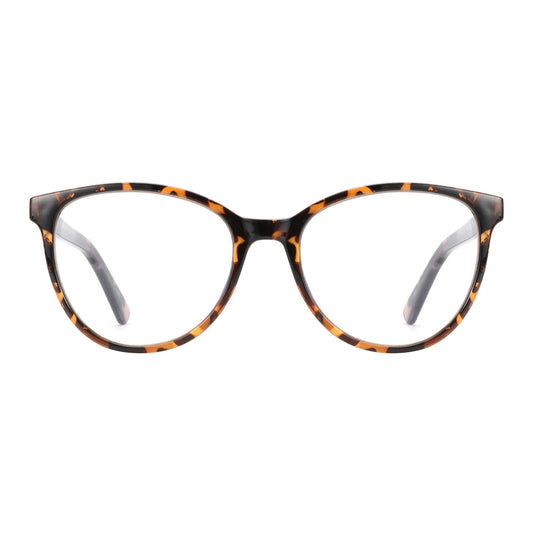
ZENOTTIC offers acetate eyewear in a range of optical and sunglass styles, including the Serein acetate eyeglasses. The same basic care applies across acetate frame styles: keep them away from excessive heat, store them without pressure, and clean them gently.
It also helps to remove your glasses with both hands. Pulling repeatedly from one temple can place uneven stress on the hinges and frame over time.
What Should You Do If Your Acetate Glasses No Longer Fit Correctly?
If your frames become slightly loose, uneven, or uncomfortable, start with a simple inspection. Check that the hinges are secure and compare how the glasses sit now with how they normally fit.
Avoid trying to make a major correction with boiling water, a hair dryer, or repeated bending. If the frame already sits unevenly, our guide to fixing crooked glasses at home covers what you can safely check before an optician adjusts the frame. Acetate can be adjusted, but changing one area of the frame can affect another.
An optician can check whether the issue comes from frame alignment, the temples, hinges, or another fit point and make a controlled adjustment where needed. This is especially useful for prescription eyewear because the frame should hold the lenses in a comfortable, consistent position.
Minor fit changes are often adjustable. The important step is to correct them deliberately rather than repeatedly bending the frame at home.
FAQs
Q1. Can I Leave Acetate Glasses in a Hot Car?
It is better to take them with you. A parked car can reach very high temperatures, especially near the windshield and dashboard. Keeping your glasses at more moderate temperatures is an easy way to protect both the frame and lenses.
Q2. Can Hot Water Change the Shape of Acetate Glasses?
Very hot water is unnecessary for cleaning and can expose the frame to avoidable heat. Use lukewarm water for routine care. If the frame needs reshaping, a professional adjustment is more controlled.
Q3. Do Acetate Frames Loosen Over Time?
They can feel looser after extended wear because hinges, temples, and frame alignment can gradually change with normal use. That does not mean the frame is no longer usable. A fit adjustment may be enough to restore a more secure feel.
Q4. Can Acetate Glasses Be Adjusted After the Fit Changes?
Yes, many acetate frames can be professionally adjusted. An optician can warm and reshape specific areas while checking overall alignment and comfort. The amount of adjustment possible depends on the condition of the individual frame.
Q5. Is Normal Summer Weather a Problem for Acetate Frames?
Normal outdoor wear is generally different from prolonged exposure to extreme heat. The bigger concerns are enclosed hot spaces, dashboards, heaters, and other concentrated heat sources. Wear your glasses normally and store them carefully when you take them off.
