




Why Glasses Slide Down Oily Skin: Frame Bridge Modifications and Anti-Slip Accessories
Oily skin cuts down the natural grip your glasses need at the nose and ears, so the frame can inch downward every time you talk, sweat, or tilt your head. A nose-pad care guide from an independent eyewear provider notes that oil and sweat on nose pads can contribute to glasses slipping, though that alone doesn't prove oily skin is the only reason your particular frame moves. The fastest way to pick the right fix is to notice exactly where your glasses lose their grip first.

Key Takeaways
- Watch where your glasses actually move: at the bridge, or at the temples and behind the ears. That location points to the matching fix.
- Oil and sweat on nose pads can add to slipping, but that alone doesn't explain movement that starts at the temples.
- Bridge stick-on pads, temple tightening, and micro-grooved silicone ear hooks each target a different movement pattern. Confirm your frame's or accessory's own instructions before using any of them.
- Clean nose pads daily with warm water and a little mild dish soap. Other frame parts and add-ons need their own care directions, not the nose-pad method.
- If your frame's instructions don't cover the adjustment you need, get a professional fit check instead of guessing.
Start by Locating Where the Frame Moves
Pay attention the next time your glasses start sliding: does the bridge lose contact with your nose first, or do the arms shift at the temples and slide down behind your ears? That single observation is your starting point, not a diagnosis. If uneven alignment is also an issue, understanding why glasses look crooked helps rule out frame levelness before testing bridge stick-on pads. If the temples or the area behind your ears are doing the sliding, frame-specific temple adjustment or a compatible silicone ear hook are the more relevant candidates.
Oily skin plays into this because oil and sweat on nose pads can contribute to glasses slipping, according to an independent nose-pad care guide. That statement supports cleaning as part of the answer, but it doesn't confirm that oily skin is the sole cause of your frame's movement or that this location check works for every case. For a broader look at common slipping triggers, our glasses sliding down guide walks through other everyday causes worth ruling out.
Check What Each Fix Requires
Each of the three fixes below answers a different movement pattern from the section above. None of them should be treated as a guaranteed solution until you confirm fit against the frame's or accessory's own instructions.
Bridge Stick-On Pads
Bridge stick-on pads are worth investigating only if your glasses lose contact at the bridge first. No manufacturer instructions were available here confirming which frame surfaces or bridge shapes these pads adhere to, or how they should be positioned once applied. Before buying a set, check the accessory's own packaging or product page for the surface types and placement it's built for; a pad designed for a plastic bridge may not hold on a metal one.
Temple Tightening
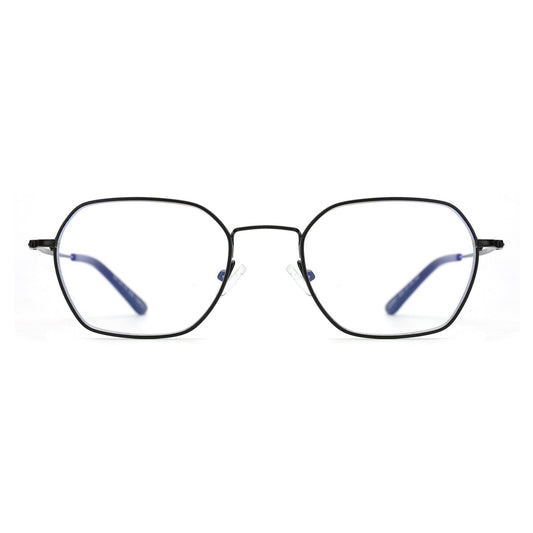
Temple tightening addresses movement at the arms or behind the ears, and it depends entirely on your specific frame's design. A frame having "adjustable arms" as a listed feature, such as our Orville metal-frame glasses, tells you the arms can be adjusted; it does not by itself tell you how to tighten them or guarantee that doing so will stop slipping. If your frame's documentation doesn't spell out the adjustment point, the tool needed, and the expected result, don't attempt to bend or tighten the arms yourself.
Micro-Grooved Silicone Ear Hooks
Micro-grooved silicone ear hooks are a candidate when movement starts at the temples or behind the ears rather than at the bridge. No verified source here confirms which arm thicknesses or shapes these hooks fit, how far up the temple they should sit, or how to clean them safely. Check the hook manufacturer's own sizing and placement instructions before installing one, since a hook sized for a thin metal arm may not seat correctly on a thicker acetate temple. For more on how bridge design itself affects overall stability, our comparison of bridge design options covers adjustable nose pads against keyhole and saddle bridges.
Clean Frames and Add-Ons by Their Own Care Instructions
Frame and accessory materials don't all take the same cleaning method, so keep nose-pad care separate from care for the rest of the frame or any add-on you attach to it.
- Clean nose pads daily with warm water and a small amount of mild dish soap, rinse thoroughly, and dry with a clean, lint-free cloth. This is the provider guide's nose-pad cleaning instructions, limited specifically to nose pads.
- Avoid adjusting nose pads yourself if the attachment looks delicate or complex, if the pads are already cracked, or if you're unsure how much pressure is safe to apply.
- Stop any at-home nose-pad adjustment immediately if you feel resistance, hear cracking, or see the frame start to bend unexpectedly.
- For the rest of the frame, temple arms, or any stick-on pad and silicone hook, follow that specific part's or accessory's own care instructions rather than applying the nose-pad method to it.

If the Frame's Instructions Don't Cover the Change
When your frame's documentation doesn't explain the adjustment you need, or an accessory's packaging doesn't confirm it fits your frame, the next step is a professional fit check rather than a workaround. Bring the frame itself, along with the accessory's box or instructions if you have one, so the check is based on your actual items rather than a guess. Virginia readers can use the state's consumer guide to eyewear professionals to understand what a licensed optician can adjust and to look up a license before booking an appointment; this resource applies to Virginia licensing specifically, not every state's rules.
FAQs
What if my glasses slip at both the bridge and the temples at the same time?
Mixed movement means one fix probably won't solve the whole problem. Start with whichever location moves more noticeably first, apply the matching option from the fixes above, then wear the glasses for a day before deciding whether the other spot still needs attention. If tightening the temples doesn't stop bridge movement, or a bridge pad doesn't stop temple slide, treat that as a sign to get a professional fit check rather than stacking more untested adjustments on the same frame.
How often should nose pads be cleaned to prevent slipping?
Clean nose pads daily with warm water and a small amount of mild dish soap, then rinse thoroughly and dry them with a clean, lint-free cloth. Daily cleaning removes oil, sweat, and residue that reduce friction, but keep this method restricted to nose pads unless your frame's manufacturer recommends it for other parts.
When should you avoid adjusting nose pads at home?
Avoid adjusting nose pads yourself if the attachment arms are delicate or complex, if the pads are cracked, or if you are unsure how much pressure to apply. Stop any DIY adjustment immediately if you feel resistance, hear cracking sounds, or notice frame parts bending unexpectedly.
